


Veterinary Ultrasound Scanner Market: How AI Integration and Portability Are Transforming Veterinary Diagnostics
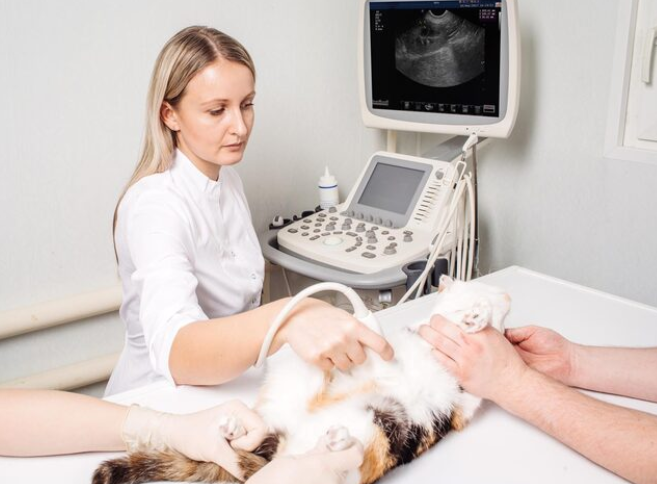
The veterinary ultrasound scanner market is experiencing dynamic growth, driven by technological innovations, rising pet ownership, and increasing awareness of animal health. Ultrasound scanners have become indispensable tools in veterinary medicine, aiding in the diagnosis of a wide range of conditions in both companion and livestock animals. Understanding the factors that impact this market is crucial for stakeholders, including manufacturers, veterinarians, and investors, as they navigate this evolving landscape.
Technological Advancements
One of the most significant factors influencing the veterinary ultrasound scanner market is technological innovation. Modern ultrasound devices offer higher image resolution, portability, and user-friendly interfaces. Handheld and wireless devices are gaining popularity due to their convenience, especially for field veterinarians treating large animals. Additionally, advancements in Doppler imaging and 3D/4D ultrasonography have improved the precision of diagnostics, allowing veterinarians to detect issues such as fetal abnormalities, organ pathologies, and blood flow irregularities with greater accuracy.
Artificial intelligence (AI) integration in ultrasound scanners is also reshaping the market. AI-powered imaging aids in faster interpretation, reducing human error, and providing real-time analysis. These technologies enhance diagnostic confidence, which is crucial for critical cases, and ultimately drive market growth.
Rising Pet Ownership
The increasing number of pet owners worldwide has a direct influence on the demand for veterinary diagnostic equipment. Companion animals, such as dogs and cats, are often treated with the same level of care as humans, leading to higher veterinary service expenditures. Ultrasound scanners enable early detection of diseases, including cancers, heart conditions, and reproductive issues, which encourages pet owners to seek advanced diagnostics. This trend has prompted veterinary clinics to invest in high-quality imaging devices, boosting market expansion.
Growth in Livestock and Dairy Sectors
Beyond companion animals, the livestock and dairy industry also contributes significantly to the veterinary ultrasound scanner market. Ultrasound is used extensively for reproductive management in cattle, sheep, and pigs. Early pregnancy detection, monitoring fetal development, and diagnosing reproductive disorders are vital practices that enhance livestock productivity. As global demand for meat and dairy products increases, farmers are increasingly adopting veterinary ultrasound technology to improve herd health and optimize breeding outcomes.
Veterinary Healthcare Awareness
Awareness regarding animal health and preventive care has expanded rapidly. Governments, NGOs, and private organizations have been promoting regular veterinary checkups, vaccination programs, and advanced diagnostics. Ultrasound scanners play a crucial role in preventive medicine by detecting hidden conditions before they become severe. This growing consciousness among animal owners and livestock managers strengthens the market potential for veterinary imaging equipment.
Regulatory Environment
Regulations in veterinary practice and medical device approval processes significantly influence market dynamics. Regulatory bodies ensure that ultrasound devices meet safety and efficacy standards, which can impact the speed of market entry for new products. While strict compliance ensures quality, it can also pose challenges for smaller manufacturers seeking to introduce innovative solutions. Conversely, regions with supportive regulatory frameworks see faster adoption of advanced veterinary equipment, positively affecting market growth.
Cost Considerations
Cost remains a pivotal factor affecting adoption rates. While advanced ultrasound scanners offer improved features, their high prices can limit adoption, especially among small veterinary clinics or farms in developing countries. Manufacturers are addressing this by developing cost-effective, portable solutions that provide essential diagnostic capabilities without the premium price tag. The balance between affordability and advanced functionality continues to shape purchasing decisions in the market.
Training and Skill Development
The effectiveness of veterinary ultrasound scanners is closely tied to the skill of the operators. Proper training in imaging techniques, interpretation, and maintenance is essential to maximize the utility of these devices. Veterinary schools, online training programs, and workshops contribute to skill enhancement, thereby encouraging more widespread use. Increased proficiency among veterinarians fosters trust in ultrasound diagnostics, further driving market demand.
Impact of Emerging Markets
Emerging economies present substantial growth opportunities for the veterinary ultrasound scanner market. Rising disposable incomes, increasing pet adoption, and modernization of livestock management practices in countries across Asia, Africa, and Latin America have fueled demand. Although market penetration in these regions is lower compared to developed countries, the growth potential is significant due to ongoing infrastructural development and enhanced veterinary healthcare services.
Competition and Product Differentiation
Market competitiveness also shapes adoption patterns. Leading manufacturers differentiate themselves through device performance, software integration, warranty services, and after-sales support. Companies investing in R&D to produce portable, multi-functional, and AI-integrated ultrasound devices gain a competitive advantage. This drive for innovation ensures continuous improvements in diagnostic capabilities, pushing the overall market forward.
Environmental and Operational Considerations
Operational and environmental factors, such as ease of maintenance, durability, and energy efficiency, influence purchasing decisions. Veterinary practices often prefer devices that can withstand harsh conditions in the field, including extreme temperatures and mobile operations. Energy-efficient scanners reduce operational costs and align with growing sustainability trends, making them more attractive to buyers.
Conclusion
The veterinary ultrasound scanner market is influenced by a complex interplay of technological, economic, regulatory, and social factors. Advancements in imaging technology, growing pet and livestock care awareness, and the expansion of veterinary services in emerging regions are key drivers. Challenges such as cost barriers, regulatory compliance, and the need for skilled operators also shape market dynamics. Stakeholders who can navigate these factors successfully stand to benefit from the expanding demand for veterinary ultrasound solutions, ultimately contributing to better animal health and more efficient veterinary practices.

 English
 Arabic
 Français
 Español
 Português
 Deutsch
 Türkçe
 Italiano
 Russian
 Romaian