


Is it Just a Sprain or a Structural Failure? Navigating a True Orthopedic Emergency
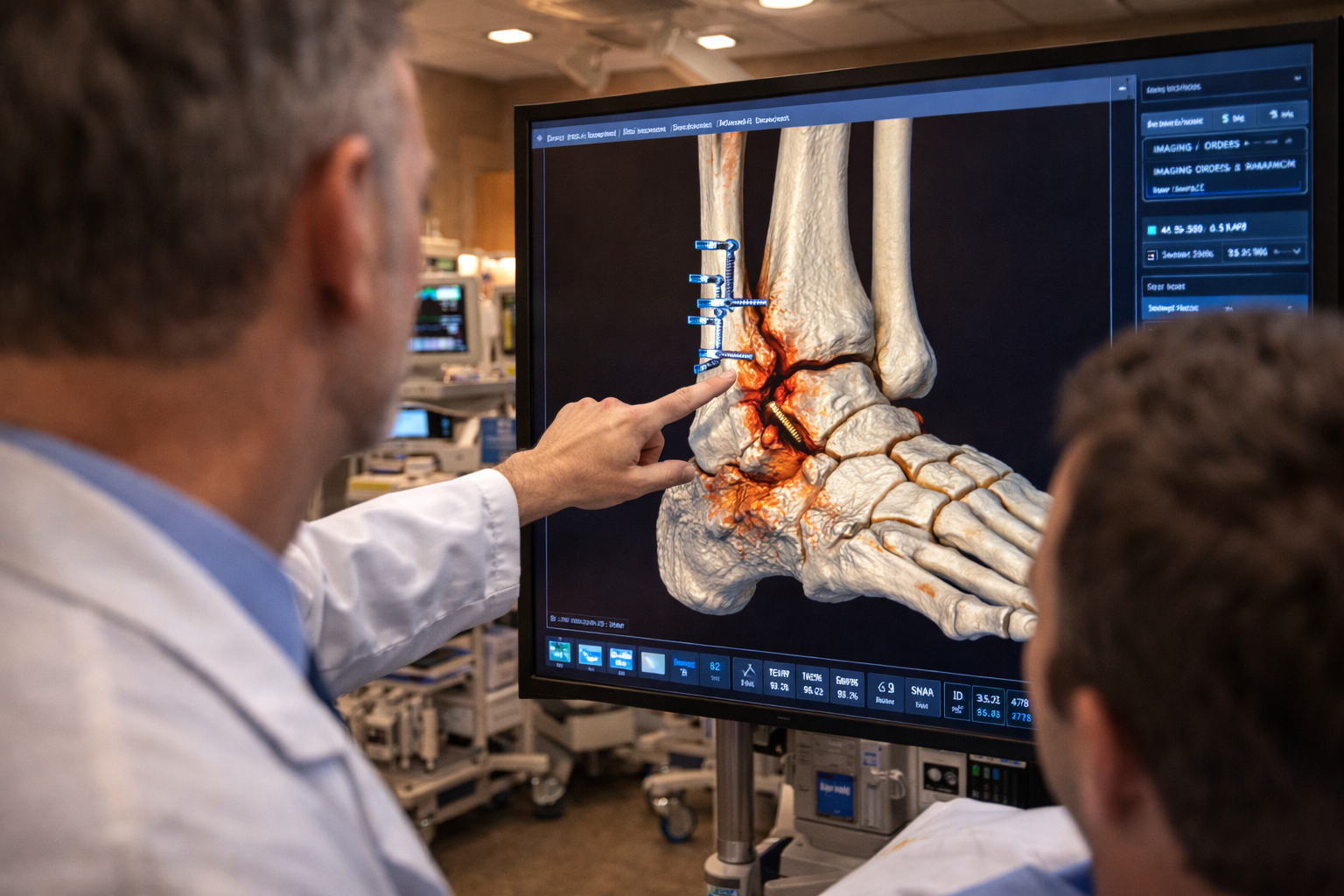
When a high-impact fall or a sudden athletic twist results in immediate swelling and a loss of mobility, the human body is signaling a breach in its structural integrity. While many minor musculoskeletal injuries can be managed with rest and ice, a true Orthopedic Emergency such as a displaced fracture, a joint dislocation, or a suspected tendon rupture—requires a level of clinical intervention that goes beyond the capabilities of a standard first-aid kit. In these moments, the priority is not just pain management, but the preservation of blood flow and nerve function. Finding a facility that specializes in emergency orthopedics ensures that your injury is stabilized using the same high-precision protocols found in professional sports medicine.
1. Identifying the "Neurovascular" Risk
The most dangerous aspect of a skeletal injury isn't always the broken bone itself, but the potential damage to the surrounding "soft infrastructure." In an Orthopedic Emergency, the medical team’s first priority is a neurovascular check.
-
The Five P's: Clinicians look for Pain, Pallor (paleness), Pulselessness, Paresthesia (numbness), and Paralysis.
-
Vascular Compromise: If a jagged bone fragment is pressing against an artery, the limb below the injury can suffer permanent tissue death in as little as two hours.
-
Nerve Entrapment: Dislocated joints can stretch or "pinch" major nerves, leading to long-term loss of sensation or motor control if not repositioned (reduced) immediately by an expert in emergency orthopedics.
2. The Danger of Silent "Compartment Syndrome"
Certain high-energy traumas can lead to a condition known as Compartment Syndrome. This occurs when swelling inside the muscle compartments reaches a pressure so high that it shuts off blood circulation.
-
Pain Out of Proportion: One of the hallmark signs is pain that seems significantly worse than the visible injury.
-
Clinical Monitoring: Elite facilities utilize pressure-testing tools to monitor the internal status of the limb. This is a critical component of Orthopedic Emergency care that prevents the need for invasive surgical fasciotomies later on.
3. Advanced Imaging: 3D Visualization of Skeletal Trauma
A standard 2D X-ray can sometimes hide "occult" or hairline fractures, especially near complex joints like the ankle or wrist.
-
32-Slice CT Technology: By utilizing high-speed CT scans, medical teams can "spin" the bone in a 3D digital environment. This allows them to see exactly how many fragments are present and if the fracture line extends into the joint surface (an intra-articular fracture).
-
The "Stress View": In cases of suspected ligament tears, doctors may use real-time fluoroscopy to watch how the joint moves under mild pressure, ensuring a definitive diagnosis in the first hour.
The Specialized Bridge to Structural Recovery
A skeletal injury is a race against inflammation and permanent stiffness. Understanding the protocols used to realign the body can help a patient navigate their recovery with less anxiety. To help you understand the clinical safety measures and the high-tech tools used in acute bone and joint care, it is beneficial to explore the 10 essential things you must know about an Orthopedic Emergency, as this information acts as a necessary deep-dive for a reader who wants to understand the safety or procedure of imaging, stabilization, and rapid diagnostic accuracy in orthopedic trauma.
4. Precision Splinting and "Anti-Deformity" Positioning
The way an injury is immobilized in the first hour dictates how it will heal over the next six months. Specialized emergency orthopedics involves more than just a generic cast.
-
Custom Molded Splints: These allow for the natural swelling that occurs in the first 48 hours, preventing the "tourniquet effect" of a traditional circular cast.
-
Functional Alignment: The medical team ensures the limb is placed in a position that minimizes tension on the surrounding tendons, preserving your future range of motion.
Conclusion
Your skeletal system is the foundation of your mobility. When that foundation is compromised by a traumatic event, the quality of the initial care is the most significant factor in your final outcome. By choosing a facility that treats every Orthopedic Emergency as a high-stakes clinical event, you are giving your body the best possible chance at a full, unrestricted recovery. In Fort Worth, elite care is available 24/7 to ensure that a sudden accident doesn't become a lifelong limitation.
📍 Find us at: 4561 Heritage Trace Parkway, Suite 117, Fort Worth, TX 76244 🔗 Learn more: ER OF FORT WORTH

 Arabic
 Français
 Español
 Português
 Deutsch
 Türkçe
 Dutch
Dutch
 Italiano
 Russian
 Romaian