


Smart Solutions When Your Engine Needs Replacing
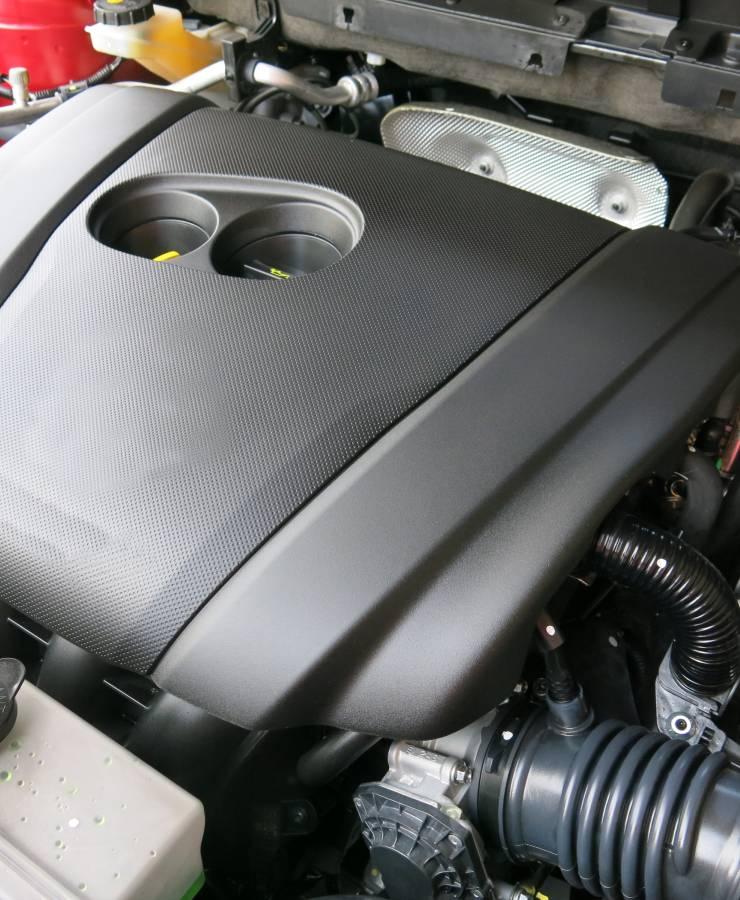
Few automotive problems strike fear quite like engine failure. That dreaded knocking sound, clouds of smoke from the exhaust, catastrophic overheating, or the engine that simply won't start anymore. Your mechanic delivers the diagnosis you were dreading: the engine needs replacing. Your mind immediately jumps to the cost—new engines can run tens of thousands of dollars. But before you panic or start shopping for a different vehicle, there's a solution many car owners don't fully understand.
The Reality of Engine Replacement
Engines are remarkably complex pieces of machinery. Hundreds of precisely engineered components work together thousands of times per minute under extreme heat and pressure. Despite regular maintenance, sometimes things go catastrophically wrong. High mileage wear, timing chain failures, head gasket problems, or simply bad luck can turn a reliable vehicle into an expensive paperweight sitting in your driveway.
The traditional response—ordering a brand new engine from the manufacturer—makes financial sense for newer vehicles under warranty. But if you're driving a Mazda that's several years old with 150,000 kilometers on it, spending $8,000 to $15,000 or more on a factory-fresh engine might exceed the vehicle's actual value. This creates a frustrating dilemma: is the car worth saving or should you cut your losses and buy something else?
For many drivers, there's a middle path that preserves their reliable Mazda without breaking the bank. Used engines from reputable suppliers offer a practical solution that gets you back on the road affordably while maintaining the vehicle you know and trust.
Understanding Quality Used Engines
The term "used" makes some people nervous. Images of greasy junkyards and questionable parts come to mind. But the modern used automotive parts industry operates far differently than those stereotypes suggest. Professional suppliers source engines from specific types of donor vehicles and subject them to rigorous inspection and testing.
Quality used mazda engines typically come from vehicles written off after accidents where the engine wasn't damaged. A car might sustain front-end collision damage that totals the vehicle, but the engine sitting behind the crumpled body panels remains perfectly functional. These engines often have relatively low mileage and years of reliable service ahead of them.
Other sources include vehicles from regions where older cars are retired earlier than necessary due to emissions regulations or inspection requirements. An engine with 80,000 kilometers from a well-maintained vehicle in excellent mechanical condition gets a second life rather than being scrapped unnecessarily.
Reputable suppliers don't just pull engines and ship them. They inspect compression, check for leaks, verify timing components, examine oil condition, and test functionality. This quality control ensures you're getting an engine that will actually solve your problem rather than creating new ones.
The Economic Advantage
The financial comparison is compelling. A quality used engine typically costs 40-70% less than new factory replacement. Even after adding installation labor—which you'd pay regardless of whether the engine is new or used—the total cost remains significantly lower.
Consider a scenario: your Mazda's engine fails and a new replacement costs $12,000 plus $2,000 installation. That's $14,000 to repair a vehicle that might only be worth $8,000. It's economically irrational. But if a quality used engine costs $4,000 with the same $2,000 installation, you're at $6,000 total—well within reasonable repair economics for keeping a vehicle you already own and trust.
Beyond immediate savings, you avoid all the costs associated with buying a different vehicle. No down payment, no new loan with interest charges, no higher insurance premiums, no uncertainty about the new vehicle's maintenance history. You simply restore your reliable Mazda to working condition and continue driving it.
Making the Right Choice
Not all used engines are equal, which is why supplier reputation matters enormously. You need to know where engines are sourced, what inspection processes they undergo, and what guarantees back them up. Questions to ask include verified mileage, compression test results, visual inspection reports, and warranty coverage.
Compatibility is crucial. Engines must match your vehicle's exact specifications—correct model year, engine code, and transmission type. Professional suppliers have databases and expertise ensuring the engine you receive will actually work in your specific vehicle. DIY sourcing from random sellers online risks expensive mistakes.
Installation quality matters as much as engine quality. Even perfect engines fail if installed incorrectly.
Experienced mechanics familiar with Mazda vehicles know the specific procedures, timing requirements, and integration points that ensure successful installation. Cutting corners on installation to save a few hundred dollars can cost thousands in subsequent repairs.
Environmental Considerations
Choosing used engines over new also makes environmental sense. Manufacturing new engines requires substantial energy and raw materials. Mining metals, processing components, assembly operations, and shipping all create environmental impacts. Reusing perfectly functional engines reduces demand for new manufacturing while keeping serviceable components out of landfills.
This circular economy approach—extracting maximum value from existing manufactured goods—represents sustainable resource use. You get the practical benefits of lower costs while making a choice that reduces overall environmental impact.
Your Vehicle's Second Chapter
Many Mazda owners have strong attachments to their vehicles. You know its quirks, it fits your life perfectly, and it's been reliable until this engine problem. Having that familiar vehicle restored to working order feels better than starting over with something unknown.
A quality engine replacement can deliver many more years of service. With the rest of the vehicle in good condition, replacing just the failed engine makes perfect sense. You maintain the familiarity and comfort of your vehicle while avoiding the disruption and expense of replacement.
When engine failure threatens to end your Mazda's story prematurely, remember that replacement doesn't have to mean financial disaster. Quality used engines from reputable suppliers offer practical solutions that restore your vehicle affordably. With proper sourcing, professional installation, and realistic expectations, your Mazda can return to the reliable transportation it's always been.

 English
 Arabic
 Français
 Español
 Português
 Deutsch
 Türkçe
 Italiano
 Russian
 Romaian