


Decoding the Choice: Why Doctors Select Specific Imaging Services in a Crisis
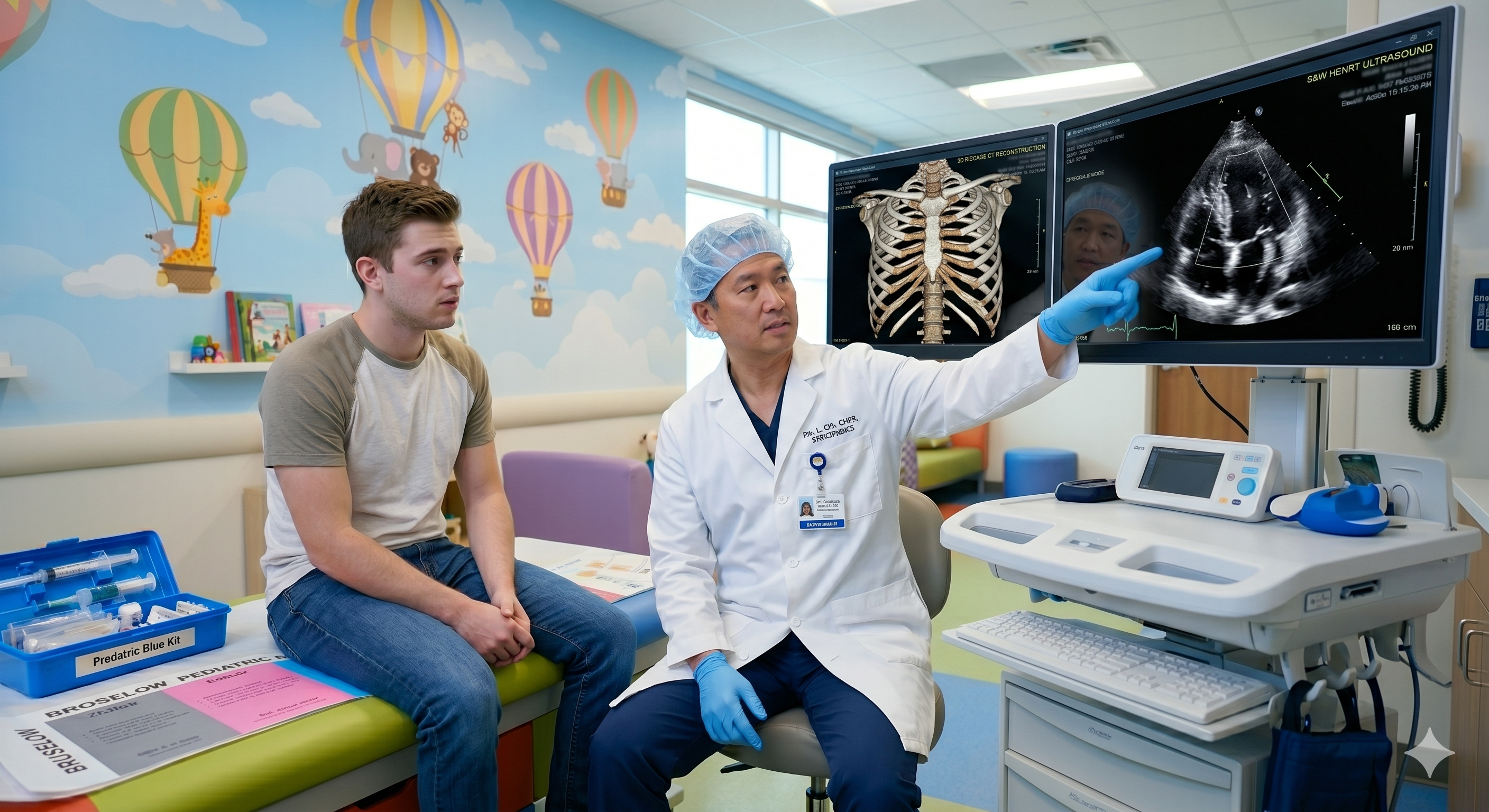
In the high-stakes environment of emergency medicine, the path to a cure is paved with accurate data. When you arrive with symptoms that could point to multiple different conditions, the medical team must quickly decide which of the available imaging services will yield the most definitive answer. This decision isn't based on a hunch; it is a calculated choice between ionizing radiation for structural detail and acoustic waves for soft-tissue movement. By understanding how CT scans and Ultrasound scans work in tandem, patients can better appreciate the high-precision engineering that goes into every diagnostic plan.
1. The High-Velocity Detail of CT Scans
When the clinical concern involves deep-seated internal trauma or hard skeletal structures, CT scans are the primary weapon. These machines use a rotating X-ray beam to create hundreds of "slices" that a computer then assembles into a navigable 3D model.
-
Trauma Triage: This is the gold standard for identifying "occult" or hidden fractures, internal hemorrhages, and complex organ ruptures that a standard X-ray would miss.
-
Neurological Mapping: In cases of suspected stroke or traumatic brain injury, the CT provides a high-resolution map of the brain’s vascularity, allowing doctors to intervene before permanent damage occurs.
2. The Dynamic Safety of Ultrasound Scans
For many diagnostic needs, the "safest" choice is the use of high-frequency sound waves. Ultrasound scans are uniquely non-invasive because they involve zero radiation, making them the preferred choice for delicate populations.
-
Fluid and Soft Tissue: These scans excel at visualizing fluid-filled structures. Doctors use them to detect gallstones, identify kidney obstructions, and evaluate the integrity of the heart’s valves in real-time.
-
Guided Precision: Beyond just "taking pictures," ultrasound is used to guide needles for biopsies or fluid drainage, ensuring that these procedures are performed with millimetric accuracy.
3. The Integration of Results: A Total-Body View
The power of modern imaging services is not found in just one machine, but in the integration of multiple data points. A physician might use an ultrasound to check for gallstones and then follow up with a CT to check for a suspected bowel obstruction.
-
The "Stat" Lab Connection: All imaging data is correlated with on-site laboratory results in minutes. This ensures that the clinical picture is complete, allowing for a "Warm Hand-Off" to specialists or surgeons if the diagnosis requires immediate intervention.
The Specialized Bridge to Clinical Excellence
A diagnostic mystery is a race against time. To help you understand the clinical safety measures and the high-tech tools used in acute diagnostics, it is beneficial to explore the 10 essential things you must know about Ultrasound scans, as this information acts as a necessary deep-dive for a reader who wants to understand the safety, radiation protocols, and rapid diagnostic accuracy required for internal injuries.
4. Patient-Centric Safety Protocols
At ER OF FORT WORTH, we utilize "Image Gently" protocols, ensuring that all imaging services are performed with the lowest possible exposure necessary for a clear diagnosis. Every scan is interpreted in real-time by board-certified radiologists who collaborate directly with your emergency physician. This eliminates the "call-back" wait, allowing you to leave the facility with a documented path to recovery.
Conclusion
Medical visualization is the bridge between a symptom and a solution. By choosing a facility that treats imaging services as a cornerstone of patient safety, you are choosing a future built on accuracy and speed. Whether it is the 3D precision of CT scans or the acoustic safety of Ultrasound scans, the elite technology available in Fort Worth ensures that your "internal story" is told with absolute clarity, 24/7.
📍 Find us at: 4561 Heritage Trace Parkway, Suite 117, Fort Worth, TX 76244 🔗 Learn more: ER OF FORT WORTH

 English
 Arabic
 Français
 Español
 Português
 Deutsch
 Türkçe
 Italiano
 Russian
 Romaian