


Hydraulic Structure Design: Principles, Types, and Engineering Best Practices
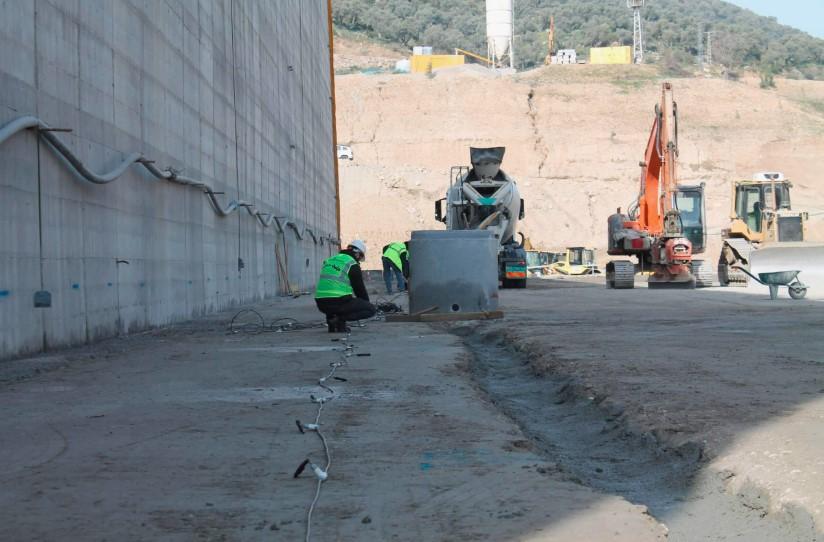
Hydraulic structure design is a fundamental aspect of civil and water resources engineering that focuses on the planning, analysis, and construction of structures that control, convey, or utilize water. These structures are essential for managing water flow in rivers, canals, dams, spillways, drainage systems, and irrigation networks. Proper design ensures safety, efficiency, environmental sustainability, and long-term durability.
In today’s rapidly changing climate conditions, hydraulic structure design has become even more critical due to increased flooding risks, water scarcity, and the need for sustainable infrastructure development. Engineers must carefully evaluate hydrological data, soil conditions, structural loads, and environmental impacts before finalizing any design.
What is Hydraulic Structure Design?
Hydraulic structure design refers to the engineering process of creating structures that interact with water in controlled ways. These structures may either contain water, divert it, store it, or regulate its flow. The design process involves applying principles of fluid mechanics, hydrology, and structural engineering to ensure that the structure performs effectively under various flow conditions.
Common hydraulic structures include dams, weirs, spillways, culverts, channels, and flood control systems. Each of these serves a specific purpose, but all require precise calculations to ensure stability and functionality.
Importance of Hydraulic Structure Design
The importance of hydraulic structure design cannot be overstated, as it plays a crucial role in water resource management and infrastructure development.
- Flood Control: Properly designed structures help prevent flooding in urban and rural areas by controlling excess water flow.
- Water Supply Management: Hydraulic structures store and distribute water for agricultural, industrial, and domestic use.
- Hydropower Generation: Dams and related structures enable renewable energy production through controlled water flow.
- Irrigation Systems: Efficient canal and distribution systems support agriculture by delivering water to fields.
- Environmental Protection: Well-designed systems reduce soil erosion and protect aquatic ecosystems.
Key Components in Hydraulic Structure Design
Successful hydraulic structure design involves several critical components:
1. Hydrological Analysis
This step involves studying rainfall patterns, river discharge, flood frequency, and watershed characteristics. Accurate data is essential for predicting water behavior.
2. Hydraulic Calculations
Engineers use fluid mechanics principles to determine flow rates, velocity, pressure distribution, and energy losses within the system.
3. Structural Design
This ensures that the structure can withstand water pressure, soil pressure, and environmental loads such as earthquakes or sediment buildup.
4. Material Selection
Materials like concrete, steel, and composites are selected based on durability, cost, and resistance to water-induced wear and corrosion.
5. Environmental Considerations
Modern hydraulic structure design integrates ecological impact assessments to protect aquatic life and maintain natural water cycles.
Types of Hydraulic Structures
Hydraulic structures are broadly classified based on their function:
Dams
Dams are large structures built to store water, generate electricity, and control floods. They are among the most complex hydraulic systems.
Spillways
Spillways safely release excess water from reservoirs to prevent overtopping and structural failure.
Canals
Canals are artificial channels used for irrigation and transportation of water over long distances.
Culverts
Culverts allow water to pass beneath roads, railways, and embankments without disrupting transportation systems.
Weirs
Weirs are small overflow structures used to measure flow rates and regulate river water levels.
Challenges in Hydraulic Structure Design
Despite technological advancements, engineers face several challenges:
- Climate Variability: Changing rainfall patterns make hydrological predictions more complex.
- Sedimentation: Accumulated sediments can reduce storage capacity and efficiency.
- Structural Failures: Improper design or maintenance can lead to catastrophic failures.
- Environmental Regulations: Compliance with environmental laws often increases design complexity.
- Cost Constraints: Budget limitations can affect material selection and construction quality.
Modern Innovations in Hydraulic Structure Design
With advancements in technology, Structural engineering has evolved significantly. Computer-aided design (CAD), computational fluid dynamics (CFD), and geographic information systems (GIS) are now widely used to improve accuracy and efficiency.
Smart monitoring systems using sensors and IoT technology are also being integrated into hydraulic infrastructure to detect leaks, monitor water levels, and predict structural performance in real time.
Sustainable design approaches, such as green infrastructure and eco-friendly materials, are also gaining popularity to reduce environmental impact.
FAQs
1. What is hydraulic structure design?
Hydraulic structure design is the engineering process of designing structures that manage, control, or utilize water flow, such as dams, canals, and spillways.
2. Why is hydraulic structure design important?
It is important for flood control, irrigation, water supply management, hydropower generation, and environmental protection.
3. What are the main types of hydraulic structures?
The main types include dams, spillways, canals, culverts, and weirs.
4. What tools are used in modern hydraulic design?
Engineers use CAD, CFD simulations, GIS mapping, and IoT-based monitoring systems.
5. What are the challenges in hydraulic structure design?
Challenges include climate variability, sedimentation, cost constraints, environmental regulations, and structural risks.
Conclusion
Hydraulic structure design is a critical discipline that supports water management, infrastructure development, and environmental protection. From dams and canals to spillways and culverts, these structures play a vital role in ensuring safe and efficient water control systems. With the growing challenges of climate change and urbanization, the importance of innovative and sustainable hydraulic design practices continues to increase. Engineers must combine technical expertise with modern technology to develop resilient and efficient hydraulic systems for the future.

 Arabic
 Français
 Español
 Português
 Deutsch
 Türkçe
 Dutch
Dutch
 Italiano
 Russian
 Romaian