


Hearing Aids vs Earbuds: A Complete Comparison Guide
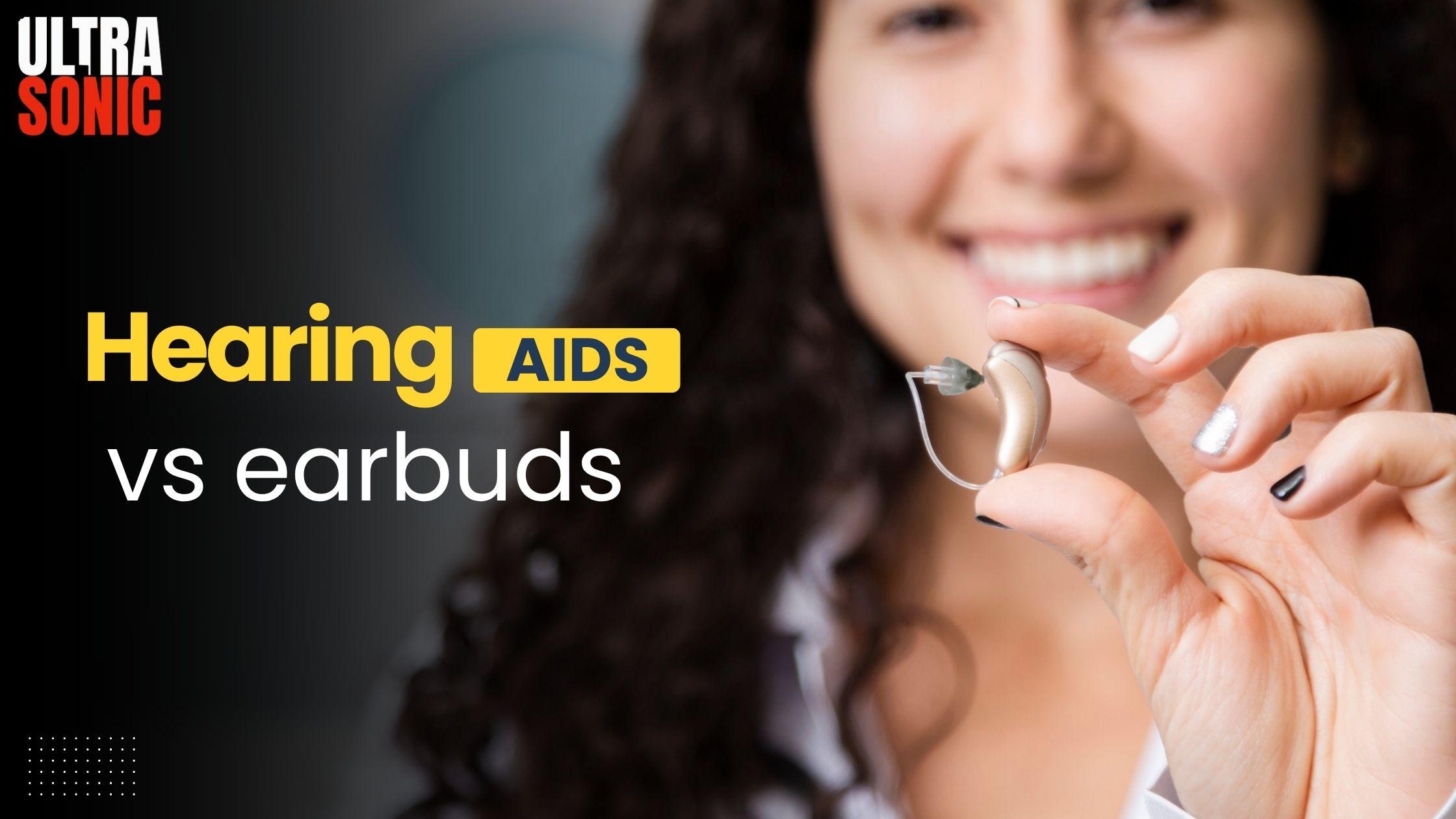
In today’s fast-evolving world of audio technology, many people find themselves comparing Hearing Aids vs Earbuds to determine which option best suits their needs. While both devices sit comfortably in or around the ear and enhance sound, they serve very different purposes. For individuals seeking better hearing clarity and improved daily communication, understanding these differences is essential.
At Ultra Sonic, we aim to simplify your decision-making by offering advanced solutions like Olive Smartear, designed to bridge the gap between traditional hearing aids and modern audio devices.
Understanding the Basics
Before diving into the comparison, it’s important to understand what each device is designed for.
Hearing Aids are medical-grade devices specifically created to assist individuals with hearing loss. They amplify sound frequencies, improve speech clarity, and adapt to different environments.
Earbuds, on the other hand, are consumer audio devices primarily used for listening to music, taking calls, or enjoying media. While some earbuds offer noise cancellation and sound enhancement, they are not built to treat hearing loss.
Key Differences Between Hearing Aids vs Earbuds
1. Purpose and Functionality
The most significant difference in Hearing Aids vs Earbuds lies in their purpose. Hearing aids are tailored to compensate for hearing deficiencies by amplifying specific frequencies based on the user’s hearing profile.
Earbuds focus on delivering high-quality audio for entertainment. Even though some modern earbuds include ambient sound features, they cannot replace the precision of hearing aids.
2. Sound Processing Technology
Hearing aids use advanced algorithms to process sound in real time. They reduce background noise, enhance speech, and adapt automatically to different environments such as crowded places or quiet rooms.
Devices like Olive Smartear incorporate smart sound processing, allowing users to experience clearer conversations without distractions.
Earbuds, while advanced, are designed for audio playback rather than real-time hearing correction. Their noise cancellation features may block unwanted sounds but don’t selectively enhance speech the way hearing aids do.
3. Personalization and Customization
Hearing aids are highly customizable. They are often adjusted based on hearing tests conducted by professionals. This ensures that users receive the exact level of amplification they need.
Innovative products like Olive Smartear offer app-based customization, enabling users to adjust settings according to their preferences and environments.
Earbuds typically offer limited customization, such as equalizer settings, which are meant for music enhancement rather than hearing improvement.
4. Comfort and Daily Use
Both hearing aids and earbuds are designed for comfort, but their usage patterns differ. Hearing aids are built for all-day wear, ensuring comfort over extended periods.
Earbuds are usually worn for shorter durations, such as during workouts or commuting. Prolonged use may cause discomfort or ear fatigue for some users.
5. Health and Safety Considerations
Hearing aids are designed with safety in mind, ensuring that sound amplification remains within safe limits to protect the user’s hearing.
Earbuds, if used at high volumes for extended periods, can potentially damage hearing. This makes them less suitable for individuals already experiencing hearing issues.
6. Cost and Accessibility
When comparing Hearing Aids vs Earbuds, cost is often a deciding factor. Traditional hearing aids can be expensive due to their medical-grade technology and professional fitting requirements.
However, modern solutions like Olive Smartear offer a more affordable alternative without compromising on essential features, making advanced hearing technology accessible to a wider audience.
Earbuds are generally more affordable but lack the specialized features needed for hearing enhancement.
Can Earbuds Replace Hearing Aids?
A common question in the Hearing Aids vs Earbuds debate is whether earbuds can act as substitutes for hearing aids. The short answer is no.
While some earbuds offer features like transparency mode or ambient sound, they are not designed to address hearing loss. They lack the precision, customization, and medical-grade technology required for effective hearing assistance.
For individuals with mild to moderate hearing challenges, solutions like Olive Smartear provide a perfect balance between advanced technology and everyday usability.
Why Choose Olive Smartear?
At Ultra Sonic, we understand the importance of combining innovation with practicality. Olive Smartear stands out as a smart hearing solution that blends the convenience of modern earbuds with the functionality of hearing aids.
Key Benefits:
- Smart noise reduction for clearer conversations
- App-based sound customization
- Sleek and modern design
- Affordable alternative to traditional hearing aids
- Comfortable for extended daily use
This makes Olive Smartear an excellent choice for users seeking a reliable and stylish hearing solution.
Choosing the Right Option for You
When deciding between Hearing Aids vs Earbuds, consider the following:
- If you have diagnosed hearing loss: Hearing aids or advanced solutions like Olive Smartear are the best choice.
- If you want entertainment and casual listening: Earbuds are suitable.
- If you need a hybrid solution: Smart devices like Olive Smartear offer the best of both worlds.
Your lifestyle, hearing needs, and budget should guide your decision.
Final Thoughts
The comparison of Hearing Aids vs Earbuds highlights that while both devices may look similar, their purposes are entirely different. Hearing aids are essential tools for improving hearing health, while earbuds are designed for entertainment.
With advancements in technology, products like Olive Smartear are redefining the hearing experience by offering a modern, affordable, and effective solution. At Ultra Sonic, we are committed to helping you achieve better hearing with innovative and user-friendly devices.

 Arabic
 Français
 Español
 Português
 Deutsch
 Türkçe
 Dutch
Dutch
 Italiano
 Russian
 Romaian