


Why Handmade Ceramic Plates Chip Less Than Others: A Materials and Use Pattern Breakdown
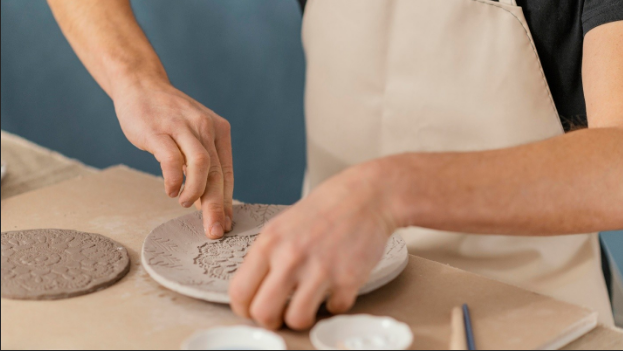
A plate slips, taps the sink edge, and suddenly a chip forms. It happens fast, even with plates that look strong. But then there are handmade ceramic plates that go through years of daily use without the same damage. The difference is not luck. It comes down to how the plate is made and how it is used. From clay structure to daily handling, small factors add up. This breakdown explains why handmade plates often hold up better over time.
Key Takeaways
-
Chipping usually starts at weak edge points, not flat surfaces.
-
Handmade ceramic plates often use denser, better-balanced clay bodies.
-
Rim shape and thickness directly affect how impact is absorbed.
-
Glaze and clay compatibility helps prevent hidden stress.
-
Everyday habits like stacking and washing play a major role.
Why Handmade Ceramic Plates Are Less Prone to Chipping from the Start
Stronger Clay Composition
Material affects impact resistance. Handmade ceramic plates are made from stoneware or balanced clay, which is less brittle than factory clay.
This depends on clay preparation:
-
Dense firing reduces weak spots.
-
Grog adds strength.
-
Less processing avoids fragility.
Highly processed, factory-made clay chips are easier to process.
Balanced Thickness
Factory plates are often thinner for cost and stacking, which weakens edges. Handmade ceramic plates use better thickness control. This approach is also applied in custom mugs, where wall thickness affects long-term durability.
This improves overall impact handling as:
-
Thicker rims absorb force.
-
Even material limits stress buildup.
-
Stable base supports contact.
Higher Firing Temperatures
Firing strengthens the clay structure. Handmade plates are often fired at hotter kiln conditions for durability, a process also used to strengthen ceramic mugs for repeated use.
This improves strength as:
-
Tighter fusion lowers porosity.
-
Fewer air pockets reduce weak points.
-
Structure handles pressure better.
Better Glaze Fit
Glaze affects stress handling. If glaze and clay expand at different rates, tension forms. Handmade production controls this better.
This is managed through:
-
Tested glaze and clay pairing.
-
Lower tension over time.
-
Stable surface without cracking.
Refined Edge Design
Most chips start at the rim, where impact occurs. Edge shape controls force spread. Handmade ceramic plates improve this.
This comes from edge shaping:
-
Rounded rims reduce stress points
-
Thicker edges absorb impact
-
Smooth transitions spread force
Everyday Use Patterns That Help Handmade Plates Last Longer
More Mindful Handling
Handcrafted plates are handled with greater care, reducing the risk of sudden impact.
This shows in daily use:
-
Slower placement limits contact.
-
Less dropping into sinks.
-
Careful cleaning reduces knocks.
Factory plates are often handled more quickly.
Less Aggressive Stacking
Stacking often causes edge damage. Factory plates are stacked tightly due to their uniform shape.
Handmade ceramic plates are stored differently:
-
Slight variation in shape prevents tight stacking.
-
Reduced edge contact lowers damage over time
This small habit reduces repeated stress on the rim.
Reduced Slipping Risk
Surface grip affects control. Ceramic pottery often has a slight texture.
This helps in daily use:
-
Better hold with wet hands.
-
Less sliding on surfaces.
-
More control while washing.
Very smooth factory finishes can become slippery, increasing the chance of drops.
Lower Repetitive Impact
Chipping builds from repeated small hits. Handmade ceramic plates are kept with more attention and care.
It leads to:
-
Less movement in storage.
-
Reduced dish rack contact.
-
Fewer collisions with other dishes.
Factory plates are handled more roughly because they are used in bulk and are subject to more frequent minor impacts.
Conclusion
Handmade ceramic plates do not stay intact by chance. Their durability comes from better material choices, thoughtful shaping, and their everyday use. Compared to mass-produced options, handmade pottery is built and treated differently. That combination is what helps them last longer and handle everyday use with fewer problems.
FAQs
-
Are handmade ceramic plates completely chip-proof?
No, they are not chip-proof. They are more resistant to damage, but strong impact or rough handling can still cause chips.
-
Does plate weight affect durability?
Yes. Plates with balanced weight are less likely to chip because they handle impact better than very light, thin plates.
-
Does frequent washing increase chipping risk?
Yes. Repeated handling, especially in sinks or dishwashers, increases the chances of contact with hard surfaces.
-
Does firing quality matter more than clay type in preventing chips?
Both matter, but firing plays a major role. Even the same clay used in a ceramic vase can behave differently in plates if not fired correctly, leading to a weaker structure and a higher risk of chipping.

 English
 Arabic
 Français
 Português
 Deutsch
 Türkçe
 Dutch
Dutch
 Italiano
 Russian
 Romaian