


BMW VIN Decoder: A Complete Guide to Understanding Your Vehicle
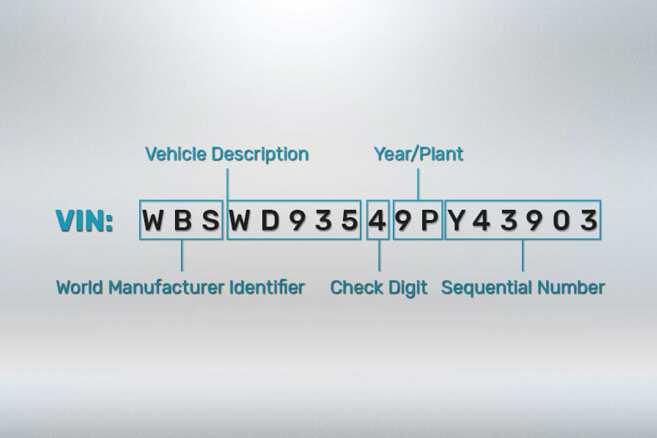
Every vehicle on the road carries a unique identifier that tells its story—where it was built, its specifications, and even its production sequence. For BMW owners and enthusiasts, decoding this identifier can reveal a wealth of information about their car. This guide breaks down everything you need to know about BMW VIN decoder and how to use them effectively.
What Is a VIN?
VIN stands for Vehicle Identification Number, a 17-character alphanumeric code assigned to every vehicle. Think of it as your car’s fingerprint—no two vehicles share the same VIN.
For BMW vehicles, the VIN is especially useful because it encodes detailed information about the car’s origin, engine type, model, and features.
Where to Find Your BMW VIN
You can locate your BMW VIN in several places:
- On the dashboard (visible through the windshield on the driver’s side)
- Inside the driver’s side door frame
- Vehicle registration documents
- Insurance paperwork
- Under the hood (on the engine bay frame)
Understanding the Structure of a BMW VIN
A BMW VIN consists of 17 characters divided into three main sections:
1. World Manufacturer Identifier (WMI) – Characters 1–3
These identify the manufacturer and country of origin.
- Example:
- WBA – BMW passenger cars manufactured in Germany
- WBS – BMW M models
2. Vehicle Descriptor Section (VDS) – Characters 4–9
This part provides details about the vehicle’s model, engine type, body style, and safety features.
- Includes:
- Engine specifications
- Series/model type
- Body design (sedan, coupe, SUV, etc.)
3. Vehicle Identifier Section (VIS) – Characters 10–17
This section reveals production-specific details.
- Character 10: Model year
- Character 11: Assembly plant
- Characters 12–17: Production sequence number
What Information Can You Get from a BMW VIN Decoder?
Using a BMW VIN decoder allows you to uncover:
- Exact model and trim level
- Engine type and size
- Transmission type
- Manufacturing plant
- Production date
- Factory-installed options and packages
- Safety and recall information
This is particularly useful when buying a used BMW or verifying a vehicle’s authenticity.
Why Use a BMW VIN Decoder?
1. Verify Vehicle Authenticity
Ensure the car matches the seller’s description.
2. Check for Hidden Features
BMWs often come with optional packages—decoding the VIN reveals what’s actually installed.
3. Identify Replacement Parts
Accurate VIN data helps you order the correct parts.
4. Research Vehicle History
Some decoders integrate with history reports, helping you detect accidents or title issues.
How to Use a BMW VIN Decoder
- Locate your 17-character VIN
- Enter it into a trusted BMW VIN decoder tool
- Review the decoded information
- Cross-check with the physical vehicle if needed
Many online tools provide instant results, often for free.
Common VIN Mistakes to Avoid
- Confusing letters and numbers:
- “O” vs. “0”
- “I” vs. “1”
- Using incomplete VINs:
BMW VINs are always 17 characters (for modern vehicles) - Relying on unverified tools:
Use reputable decoders for accurate results
BMW VIN Example Breakdown
Sample VIN: WBAXX110X0C123456
- WBA → BMW Germany
- XX110 → Model/engine details
- X → Check digit
- 0 → Model year
- C → Assembly plant
- 123456 → Serial number
Final Thoughts
A BMW VIN decoder is an essential tool for anyone who owns, buys, or simply appreciates these vehicles. By understanding how to read and interpret your VIN, you gain deeper insight into your car’s identity, history, and features.
Whether you're verifying a purchase, ordering parts, or satisfying curiosity, decoding your BMW’s VIN unlocks information that would otherwise remain hidden—making you a more informed and confident vehicle owner.

 English
 Arabic
 Français
 Español
 Português
 Deutsch
 Türkçe
 Italiano
 Russian
 Romaian