


Why Most Candidates Fail Without Self-Assessment Tools
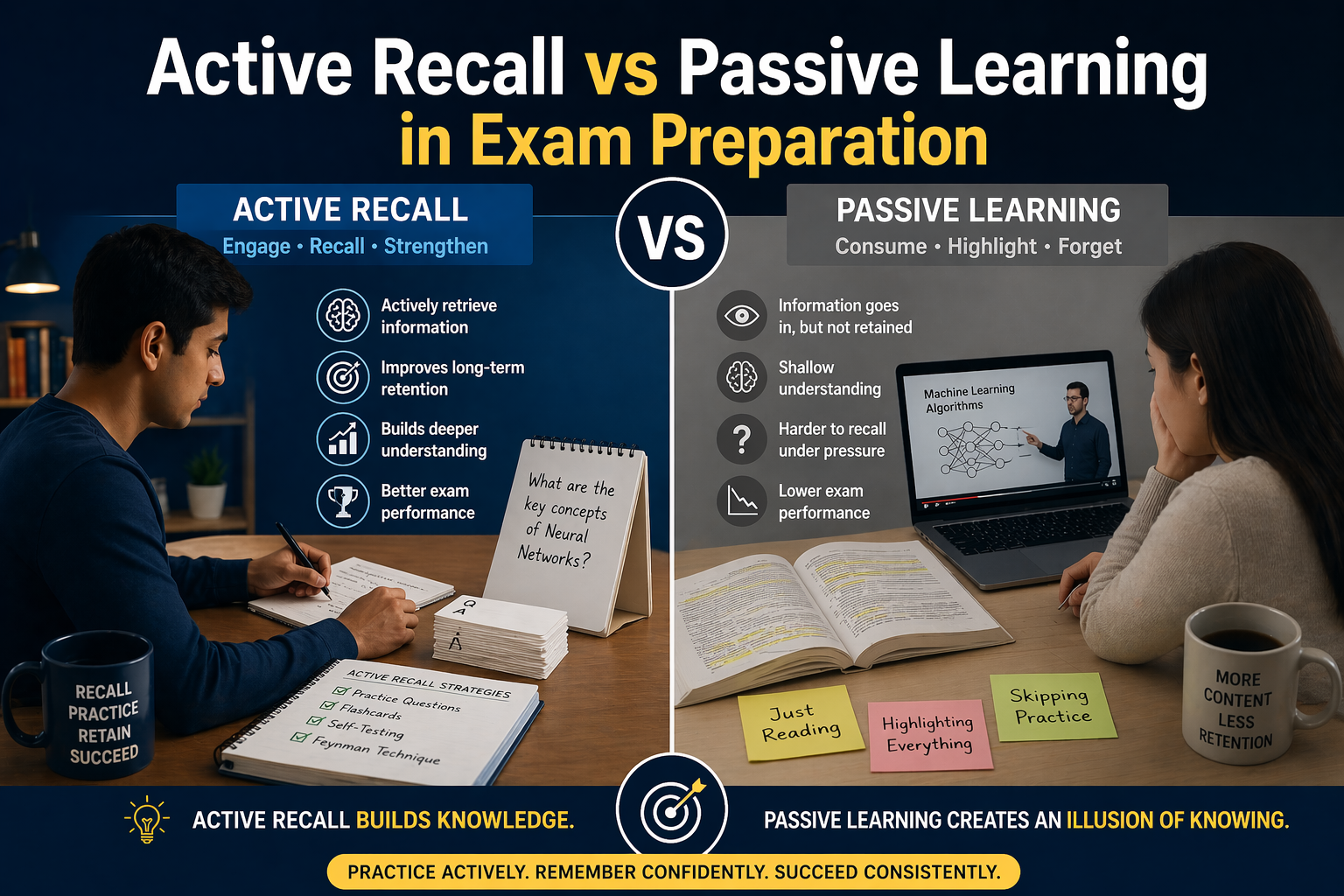
In today’s highly competitive academic and professional landscape, success is no longer just about hard work—it’s about smart work. Yet, a surprising number of candidates continue to prepare blindly, without measuring their progress or understanding their weaknesses. This is where self-assessment tools come in. Without them, many candidates unknowingly set themselves up for failure.
Let’s explore why skipping self-assessment can be a critical mistake—and how it impacts performance.
The Hidden Gap Between Preparation and Performance
Many candidates believe that spending long hours studying guarantees success. However, studies suggest otherwise. According to recent educational research, nearly 65–70% of candidates fail to meet their target scores not due to lack of effort, but due to ineffective preparation strategies.
The key issue? A lack of feedback.
Without self-assessment tools such as mock tests, quizzes, or performance analytics, candidates:
- Don’t know their actual level of preparedness
- Overestimate their strengths
- Ignore weak areas until it’s too late
This creates a dangerous gap between perceived readiness and actual performance.
Why Self-Assessment Tools Matter
Self-assessment tools act like a mirror—they reflect your true capabilities. They provide measurable insights that help candidates adjust their strategies in real time.
Here’s what candidates miss when they don’t use them:
1. No Clarity on Strengths and Weaknesses
Without testing yourself, it’s impossible to know where you stand.
- You may spend excessive time on topics you already understand
- Weak areas remain unaddressed
- Performance becomes inconsistent
2. Lack of Exam Readiness
Practicing under exam-like conditions is crucial.
- Time management skills remain underdeveloped
- Anxiety increases during the real exam
- Candidates struggle with question patterns and formats
In fact, surveys indicate that over 55% of candidates experience time pressure issues during actual exams due to lack of timed practice.
3. No Performance Tracking
Progress is not just about effort—it’s about measurable improvement.
Without tracking:
- You can’t evaluate whether your study plan is working
- Motivation drops due to lack of visible results
- You risk repeating the same mistakes
4. Overconfidence or Underconfidence
Both extremes can harm performance.
- Overconfident candidates may skip revision or practice
- Underconfident candidates may doubt even their strong areas
Self-assessment tools provide balanced, data-driven confidence.
Real Impact: What the Data Shows
Let’s look at some realistic trends observed across competitive exam aspirants:
- Candidates who take weekly mock tests improve scores by 20–30% over 2–3 months
- Those who analyze their mistakes regularly are 40% more likely to clear exams
- Students using performance analytics tools report higher retention rates (up to 25%)
These numbers highlight a clear truth: assessment drives improvement.
Common Mistakes Candidates Make
Even serious aspirants often fall into these traps:
- Studying passively (reading without testing)
- Avoiding mock tests due to fear of low scores
- Not reviewing mistakes after practice tests
- Focusing only on completion, not mastery
These habits create an illusion of preparation, which breaks under real exam pressure.
How Self-Assessment Changes the Game
When used effectively, self-assessment tools transform preparation into a strategic process.
They help candidates:
- Identify weak topics early
- Adjust study plans based on performance
- Build exam temperament
- Improve speed and accuracy
- Track consistent progress
Think of it as a feedback loop:
Practice → Analyze → Improve → Repeat

 English
 Arabic
 Français
 Español
 Português
 Deutsch
 Türkçe
 Dutch
Dutch
 Italiano
 Russian