


Understanding a Power Wheelchair Guide: Types, Features, and Practical Uses
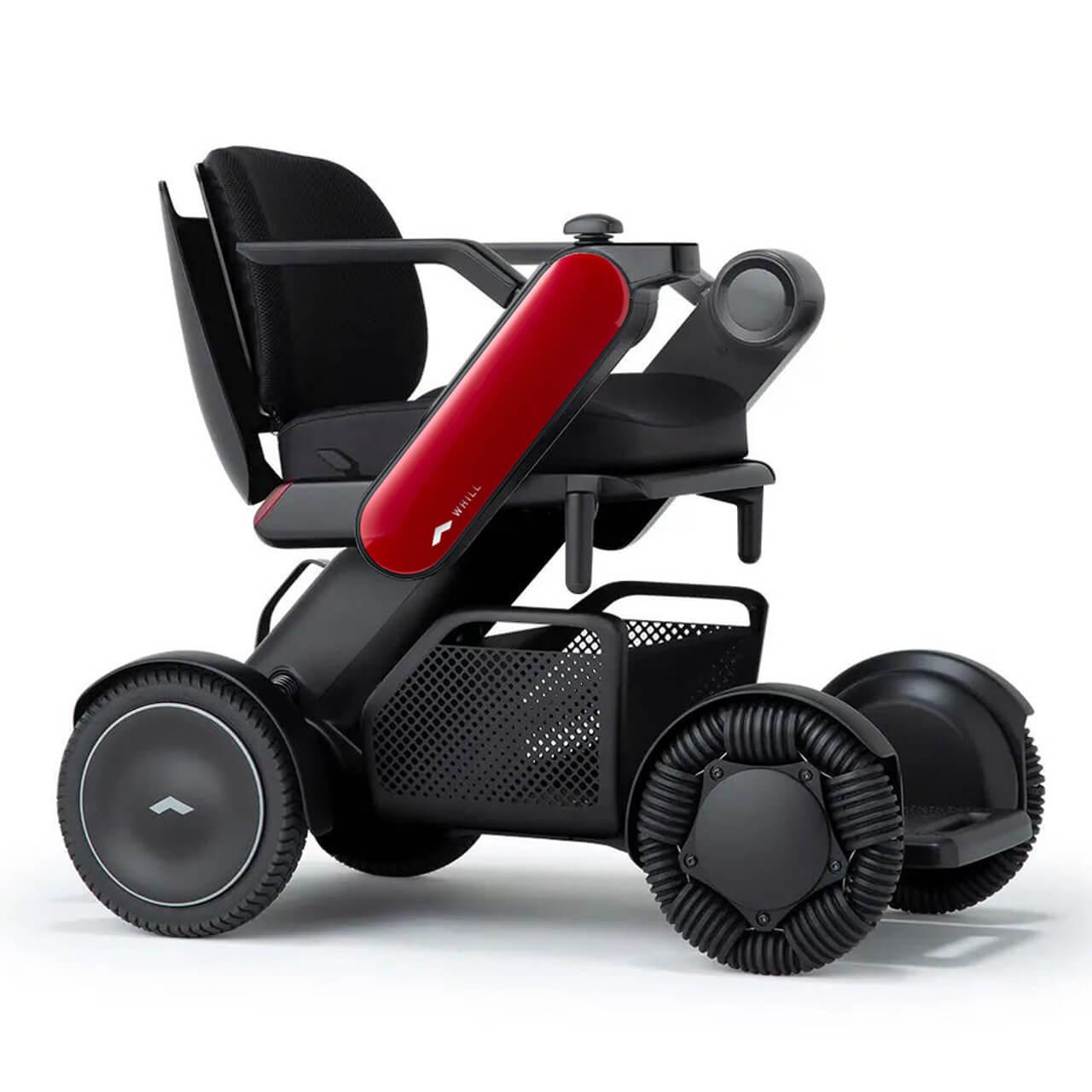
For adults whose mobility depends on powered equipment, a power wheelchair is not simply a product — it is the means by which they engage with their home, their community, and their daily life. The right chair opens up possibilities. The wrong one creates daily friction, limitation, and sometimes safety concerns that overshadow everything else. Given how central a power wheelchair becomes to its user's existence, understanding how to evaluate the options thoughtfully is genuinely important.
This power wheelchair guide is designed to provide that understanding clearly and practically — covering the main types, the features that matter most in daily use, how battery life and range affect real-world mobility, and how to use a powered chair safely across different environments.
What This Power Wheelchair Guide Covers and Why It Matters
Power wheelchairs represent a significant category within mobility equipment, and the variation between models is meaningful rather than cosmetic. A compact foldable travel chair and a full-size outdoor power wheelchair serve fundamentally different users in fundamentally different situations. Without a clear framework for understanding those differences, the selection process defaults to price comparison and surface-level feature lists — neither of which reliably leads to the best outcome for the person who will rely on the chair every day.
This guide addresses that gap by explaining what the features actually mean in practice and how each type maps onto specific daily use scenarios.
Main Types of Power Wheelchair: Understanding the Landscape
Full-size power wheelchairs are the traditional category — heavier, fixed-frame or limited-fold designs built for sustained daily use, higher weight capacities, and reliable performance across a range of indoor and outdoor surfaces. They typically offer the most seating options, the most powerful drive systems, and the longest battery range of any category. The trade-off is weight and portability: full-size models generally require vehicle lifts, ramp systems, or adapted vehicles for transport.
Compact and portable power wheelchairs have grown substantially as a category in response to the real demand for powered mobility that can travel with the user without specialist vehicle equipment. These chairs fold — sometimes automatically, often with a single manual action — into a form compact enough for standard vehicle boots, aircraft overhead compartments in some cases, and small storage spaces at home. They are lighter than full-size models and designed for users with moderate daily mobility demands.
The Mobility Compact Power Wheelchair rated to 260 lbs represents this category, providing a straightforward powered mobility solution in a compact form suited to adults who need reliable indoor and light outdoor performance without the weight and logistical requirements of a full-size chair. For users whose daily use is centered primarily on home mobility with regular short outings, this type of compact model offers an accessible and manageable solution.
Travel-specific power wheelchairs take portability further, prioritizing low weight, foldability, and airline or vehicle compatibility above extended range or maximum weight capacity. They are designed for adults who travel frequently and need a powered mobility solution that does not impose specialist logistics on every journey.
The WHILL Model F Travel Power Chair is purpose-designed for this use case, offering a lightweight, foldable powered chair with a contemporary design suited to airports, hotels, and travel environments. Its specifications reflect the priorities of a travel-oriented powered mobility solution — compact fold, manageable weight, and reliable performance in the varied environments that travel involves — rather than the extended range or terrain capability of a more robust everyday chair.
Power Wheelchair Features and Specifications Explained
Drive system. Power wheelchairs use rear-wheel, mid-wheel, or front-wheel drive configurations, each producing different handling characteristics. Mid-wheel drive offers the tightest turning radius and is generally best for indoor navigation. Rear-wheel drive provides more stability at speed and on outdoor terrain. Front-wheel drive offers good obstacle-climbing ability. Understanding which configuration suits the primary use environment helps narrow the field considerably before evaluating other specifications.
Control interface. The joystick is the standard control for most power wheelchair users — proportional control that responds to the degree and direction of deflection. For users with limited hand function, alternative interfaces including chin controls, head arrays, and sip-and-puff systems are available on specialized models. Confirming that the control interface is appropriate for the user's hand and arm function is a foundational step that should not be skipped.
Seat width, depth, and height. A power wheelchair that does not fit the user correctly creates pressure points, postural problems, and reduced stability during use. Seat width should accommodate the user's hip width with a small margin. Seat depth should support the thighs without pressing against the back of the knee. Footrest height should allow the feet to rest comfortably with the thighs parallel to the seat.
Maximum weight capacity. Every power wheelchair has a rated weight capacity, and using a chair beyond that limit is both a safety risk and a mechanical one. Confirming that the chosen model's capacity accommodates the user's weight with an appropriate margin is essential before any other evaluation.
Battery Life and Range of Power Wheelchairs: What to Evaluate
Battery performance is one of the specifications most directly relevant to daily quality of life for power wheelchair users, yet it is one of the most commonly misunderstood.
Manufacturers typically publish a maximum range figure — the distance achievable under optimal conditions on a fully charged battery. In real-world use, range is affected by user weight, driving speed, surface type, temperature, and battery age. A chair rated for fifteen miles per charge may reliably deliver ten to twelve miles under typical daily conditions — which is an important distinction when evaluating whether a particular model will meet daily needs.
For most home-based users whose daily powered travel is measured in hundreds of meters rather than miles — moving between rooms, navigating the home, and making occasional short outdoor trips — battery range is rarely the limiting factor. For users who make longer outings, travel to appointments across meaningful distances, or use their chair in outdoor environments with varied terrain, the effective daily range requires more careful evaluation.
The LiteRider Envy Portable Power Wheelchair GB162 offers a portable powered chair with a balance of battery performance and compact design suited to users who need dependable daily range in a chair that can be transported without specialist equipment. For adults managing a combination of home mobility and regular outings, this type of model addresses both requirements without requiring a full-size chair's logistical infrastructure.
Charging time is the complementary factor. A chair that requires eight to ten hours to charge from depleted to full effectively requires overnight charging for daily use. Faster-charging models allow more flexibility — particularly for users whose schedules do not always allow overnight charging, or who travel and rely on hotel or venue charging access.
Best Power Wheelchair for Indoor and Outdoor Mobility: Finding the Balance
The majority of power wheelchair users need their chair to perform adequately in both indoor and outdoor environments, even if one predominates. A chair used primarily indoors still needs to navigate outdoor surfaces when traveling to appointments, visiting family, or accessing community spaces. A chair used primarily outdoors still needs to handle home environments between outings.
The most useful evaluation question is not "which environment will this chair be used in?" but rather "which environment will it be used in most, and what is the minimum acceptable performance in the other?" This framing identifies models that provide genuine capability in the primary environment without completely failing in the secondary one.
Mid-wheel drive compact models generally offer the most useful balance for adults whose primary environment is indoors with regular moderate outdoor use. Rear-wheel drive models with larger wheels suit the reverse — primarily outdoor users who need acceptable indoor performance for room-to-room navigation at home.
Safety Tips for Using a Power Wheelchair
Powered chairs introduce risks that are different from those of manual wheelchairs, and a few consistent practices make daily use meaningfully safer.
Learn the chair's braking behavior before using it in confined or unfamiliar spaces. Power wheelchairs do not stop instantaneously, and the stopping distance at higher speeds is longer than many new users expect. Practice speed control and stopping in open space before navigating tighter environments.
Be aware of slope and incline limits. Most power wheelchairs specify a maximum slope angle for safe operation, and operating on steeper slopes — particularly when descending — can cause loss of control. When in doubt on a slope, approach it slowly and in a controlled direction.
Charge the battery consistently rather than waiting for full depletion. Lithium and lithium-ion batteries maintain their health better with regular partial charging than with repeated full-discharge cycles. A consistent overnight charging habit supports longer battery service life.
Check the chair's components periodically — joystick response, footrest security, tire condition, and armrest stability. Small mechanical changes that develop gradually are easier to address before they become safety concerns than after.
Conclusion
This power wheelchair guide has covered the essential elements of the selection and daily use decision — the main types, the features and specifications that matter most in practice, how battery life translates to real-world range, and the safety habits that make daily powered mobility as safe and reliable as possible.
A power wheelchair, chosen with care and used thoughtfully, provides something that cannot be overstated for the people who need it: the ability to move through their own life independently, on their own schedule, without waiting for someone else to help them go where they need to be.

 Arabic
 Français
 Español
 Português
 Deutsch
 Türkçe
 Dutch
Dutch
 Italiano
 Russian
 Romaian