


What Is Industry Modeling and How Does It Work?

In the fashion industry, modeling is all about showcasing trends and products through various types of modeling like runway, commercial, and plus-size. Each type has its unique requirements, helping brands connect with diverse audiences. Models not only participate in photoshoots and runway shows but also engage in promotional events. Building a strong portfolio and effective marketing strategies are essential for success. If you’re curious about how to navigate the business side of modeling, we’ve got more insights to share.
Understanding the Role of Models in the Fashion Industry

When we think about the fashion industry, it’s clear that models play an essential role in shaping trends and showcasing products. They pose for advertisements and publications, bringing to life the vision of designers and brands.
Models collaborate closely with designers, participating in runway shows and photoshoots, and often engage in promotional events like interviews and public speaking.
While traditional high fashion may favor taller, slimmer figures, the industry is evolving to embrace models of all body types, reflecting a broader societal shift towards inclusivity.
New agencies are emerging, representing diverse looks, and it’s vital for us as models to have realistic expectations about opportunities beyond conventional standards.
Embracing this diversity can only enrich our experiences in fashion modeling.
Types of Modeling and Their Unique Requirements

As we explore the various types of modeling, it’s clear that each niche comes with its unique requirements and expectations.
For instance, runway modeling demands a strict physique, often requiring a minimum height of 5’9", while commercial modeling embraces a more relatable aesthetic with lighter workloads.
Catalog modeling focuses on showcasing products in print and digital formats, necessitating a strong photogenic presence.
Additionally, the rise of plus-size and fitness modeling reflects the industry’s growing inclusivity, welcoming all shapes and sizes.
Part modeling zeroes in on individual body features, like hands or hair, catering to specific brands.
Understanding these distinctions helps us navigate the diverse landscape of modeling opportunities effectively.
Building a Compelling Modeling Portfolio
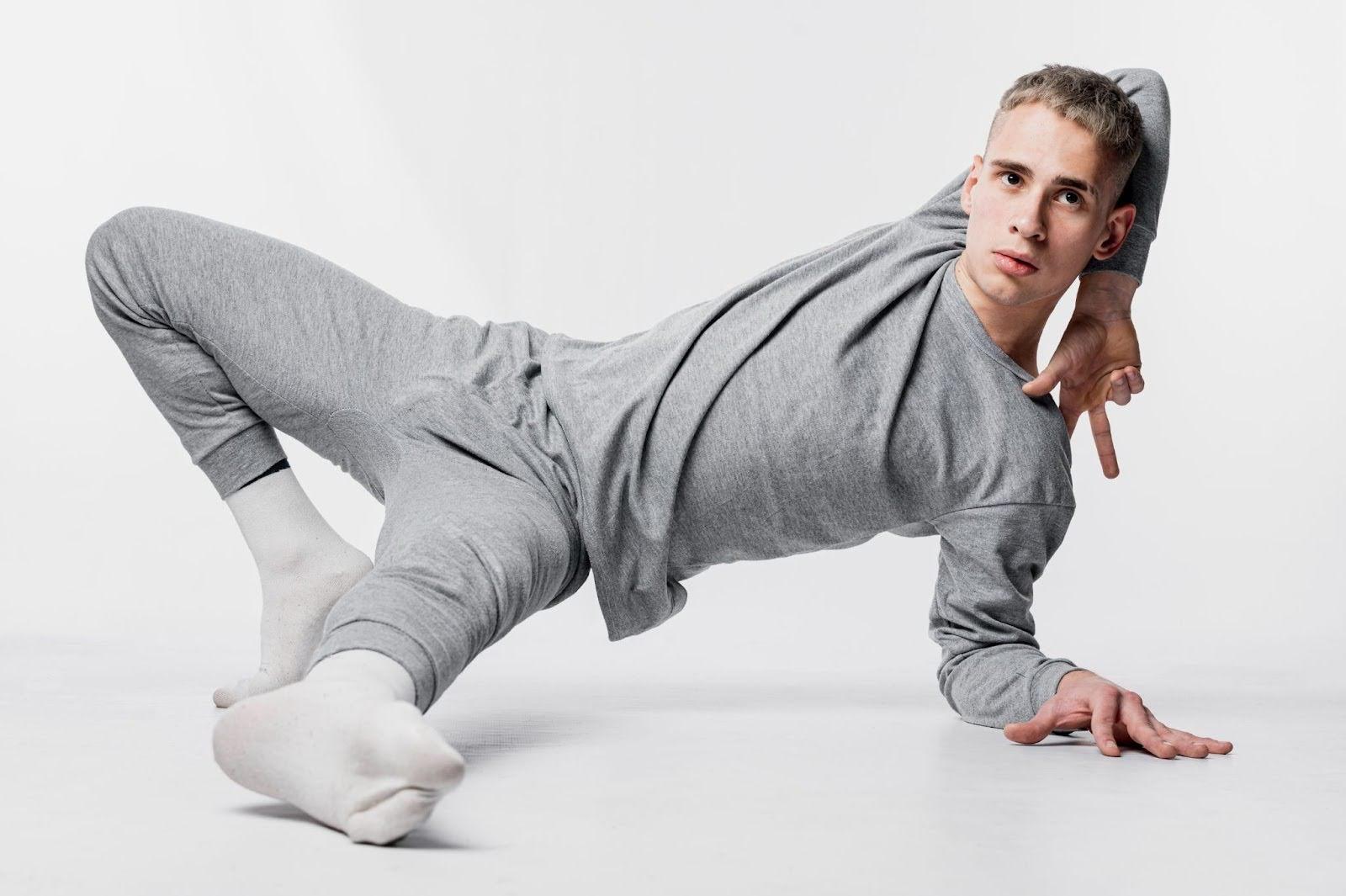
A compelling modeling portfolio is our most powerful tool for showcasing our talent and versatility. To build one, we should start with essential shots: a headshot, a full-body shot, and possibly a swimwear shot.
Collaborating with professional photographers or emerging talents can enhance our visuals. Including a variety of looks and styles highlights our adaptability.
It’s vital to keep our portfolio updated with recent work and experiences, ensuring it reflects our growth. We should also research photographers for quality shoots, utilizing platforms like Instagram to connect with potential collaborators.
Finally, adding a comp card featuring our best images and measurements can attract agents and clients, making our portfolio a key asset in our modeling journey.
Marketing Strategies for Aspiring Models
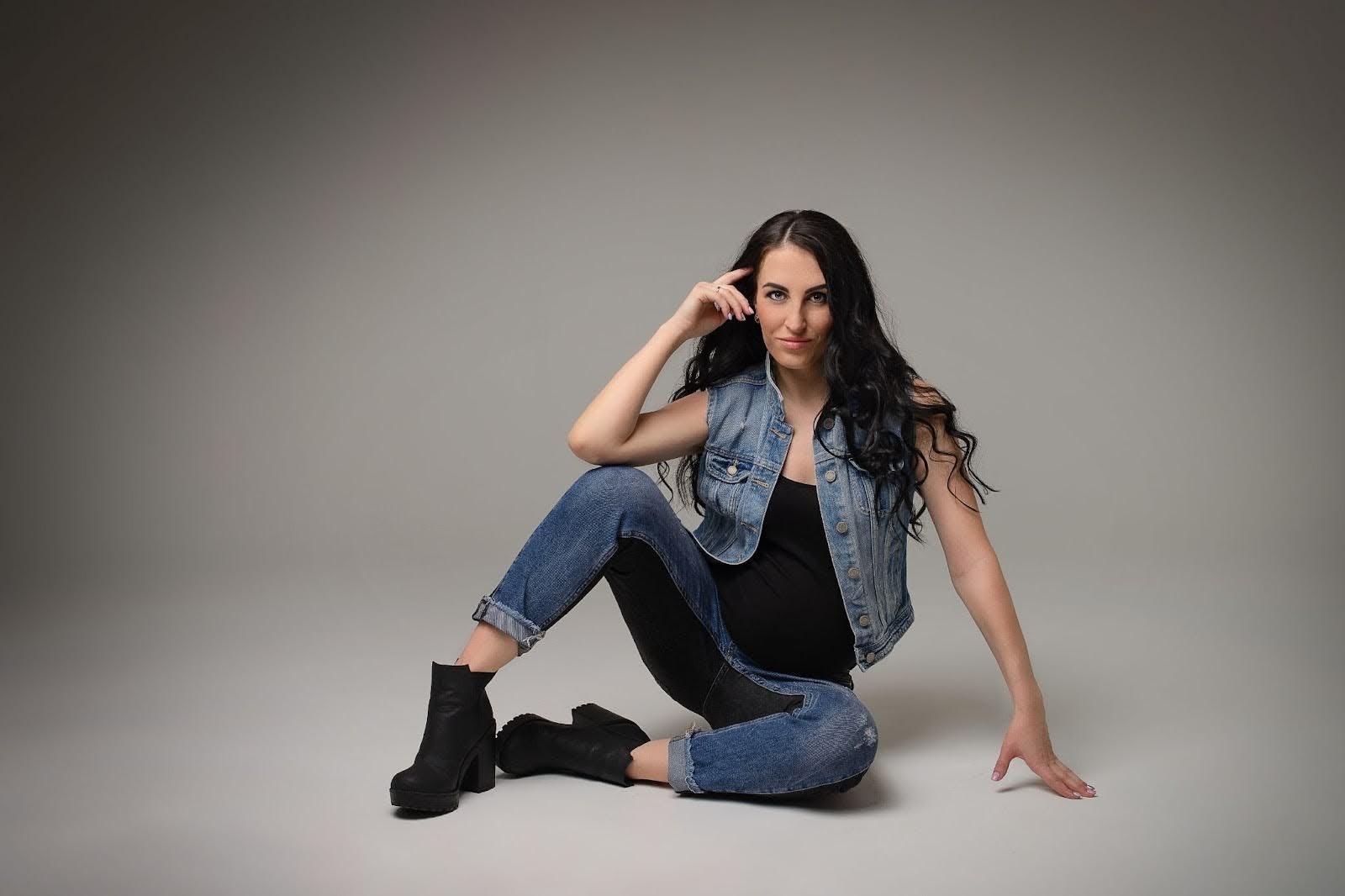
Building a compelling portfolio is just the first step in our journey as aspiring models; effective marketing strategies are equally important for gaining visibility and attracting opportunities.
We should actively promote ourselves by networking with local photographers, agencies, and stylists while leveraging social media platforms like Instagram and TikTok. Creating high-quality content that reflects our personal style and talent can notably enhance our visibility.
Attending local industry events allows us to introduce ourselves to professionals and build valuable connections. Joining relevant social media groups also helps us stay in the loop.
Finally, getting signed with a reputable agency can provide essential resources and support, giving us a strong advantage in traversing the competitive modeling landscape.
Navigating the Business Aspects of Modeling

Steering through the business aspects of modeling can seem intimidating, yet it’s essential for our success in this competitive industry.
Understanding these elements helps us build a sustainable career. Here are some key areas we should focus on:
-
Networking: Building connections with industry professionals can open doors to new opportunities.
-
Contracts: Familiarizing ourselves with contracts guarantees we understand our rights and responsibilities.
-
Personal Branding: Creating a strong personal brand helps us stand out on social media and attracts potential clients.
-
Financial Management: Tracking our expenses and income enables us to make informed decisions about our careers.
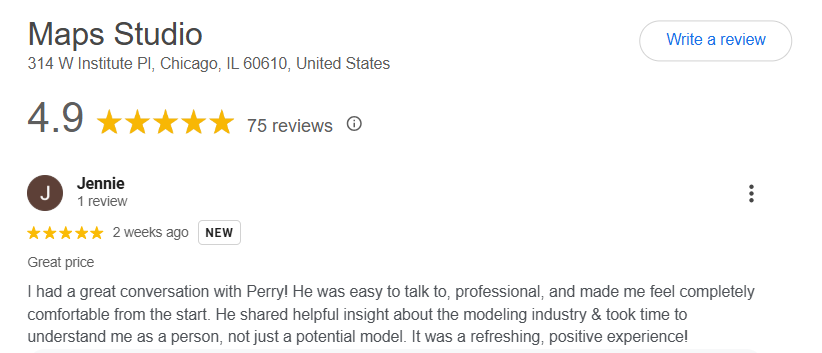
Reviews of Maps Studio
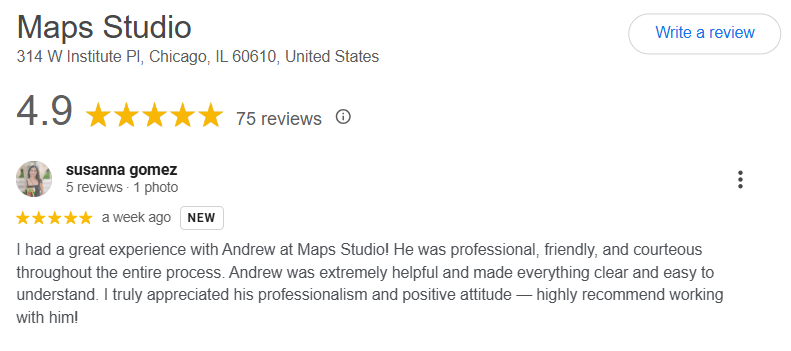
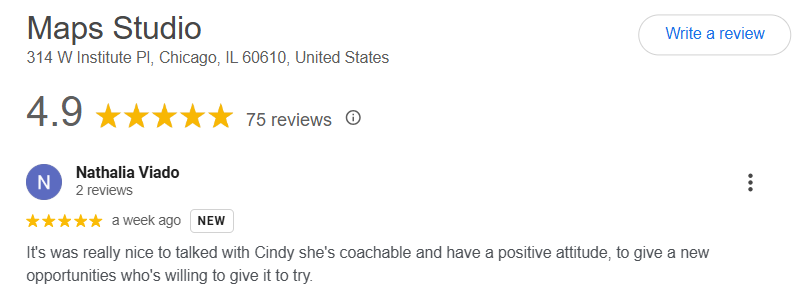
At Maps Studio, we love hearing from our clients about their experiences with our modeling tips, especially when it comes to posing. This section features reviews that reflect how our five tips have helped models feel more confident and skilled in front of the camera. We are dedicated to supporting all aspiring models on their paths to success. For more information about what we offer, check out Maps Studio.
Frequently Asked Questions
What Are the Common Misconceptions About Modeling Careers?
We often hear misconceptions about modeling being glamorous and easy. In reality, it demands hard work, resilience, and dedication. Models face intense competition, long hours, and must prioritize health, both physically and mentally.
How Do Models Handle Rejection and Competition?
We handle rejection and competition by staying resilient and focused. We support each other, learn from feedback, and constantly improve our skills. Embracing a positive mindset helps us navigate challenges in the modeling industry together.
What Legal Rights Do Models Have in the Industry?
Models have legal rights, including fair compensation, safe working conditions, and protection against discrimination. We must understand our contracts, advocate for ourselves, and seek legal advice when needed to guarantee we’re treated fairly in the industry.
How Important Is Personal Branding for Models?
Personal branding’s essential for us as models. It sets us apart, showcases our unique style, and attracts opportunities. By curating our image online and offline, we build a recognizable presence in a competitive industry.
What Should Models Know About Physical Safety on Set?
We should always prioritize our physical safety on set, ensuring clear communication with the team, knowing emergency procedures, and advocating for a comfortable environment. Trusting our instincts and seeking help when needed is essential for our well-being.
Conclusion
To summarize, industry modeling is an exciting and multifaceted journey that requires dedication, creativity, and resilience. By understanding the various types of modeling, building a strong portfolio, and effectively marketing ourselves, we can carve out successful paths in this dynamic field. Let’s embrace networking opportunities and prioritize our well-being as we navigate the fast-paced fashion landscape. Together, we can demystify industry modeling and empower each other to shine in this vibrant world!
Visit Mapsstudio for more information about photography.
Note: We love sharing creative inspiration, photography tips, and industry insights to help you capture life’s best moments! However, the services, styles, and equipment mentioned in our articles are for informational purposes only and may not reflect our current offerings. For the latest on our photography services and portfolio, visit Maps studio. Let’s create something beautiful together!

 English
 Arabic
 Français
 Español
 Português
 Deutsch
 Türkçe
 Dutch
Dutch
 Russian
 Romaian