


Which Call Center Software Fits Your Small Business In 2026?
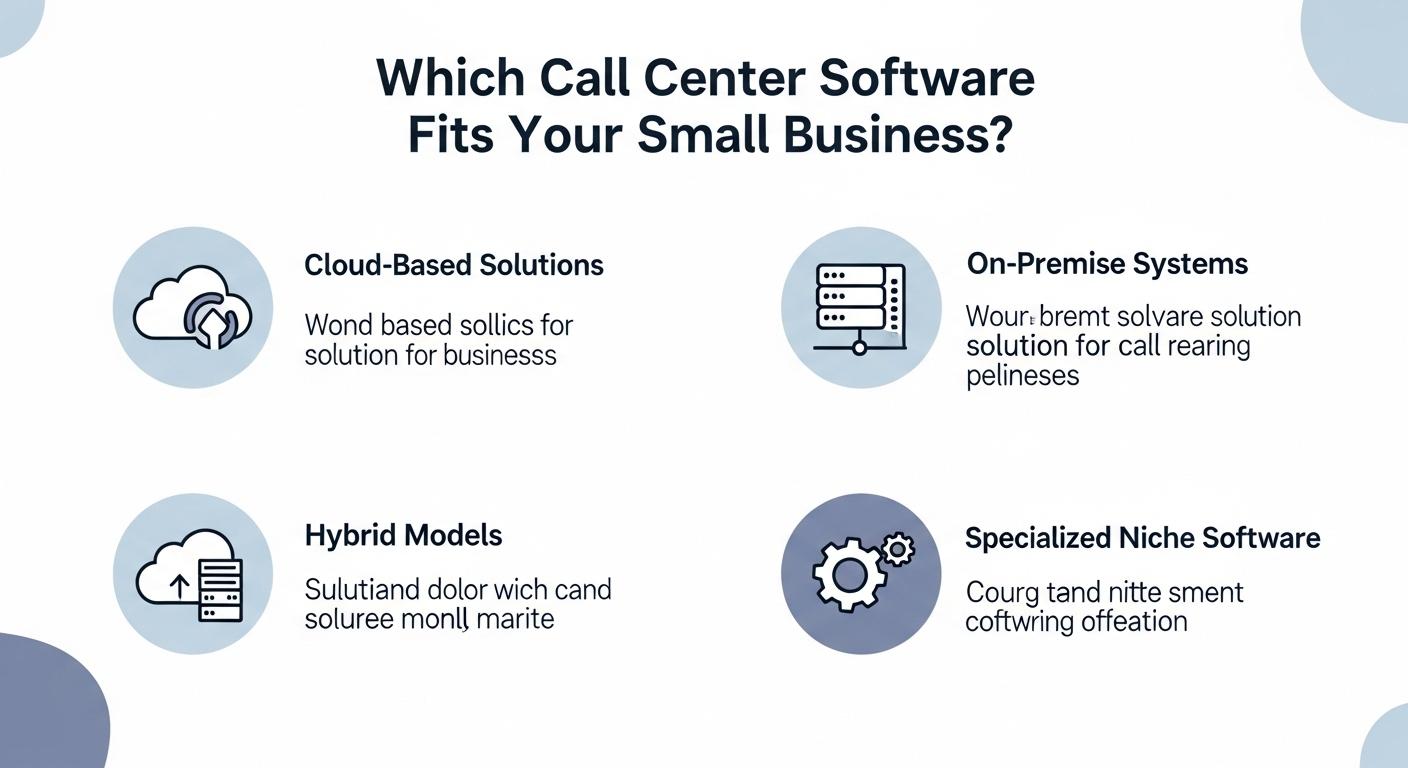
In 2026, small businesses can no longer rely on basic phone systems to manage customer interactions. With rising customer expectations and increasing competition, having the right call center software is essential for delivering fast, personalized, and efficient service. The good news is that modern solutions are more accessible than ever, offering enterprise-level features at small-business-friendly prices.
If you’re trying to determine which call center software is the best fit for your business, this guide will walk you through everything you need to know—from must-have features to the top tools available today.
Why Call Center Software Is Crucial for Small Businesses
Call center software helps small businesses streamline communication, manage customer queries, and improve overall service quality. Instead of juggling multiple tools, businesses can centralize operations into one platform that handles calls, tracks performance, and integrates with other systems.
For small teams, this means fewer missed calls, faster response times, and better customer satisfaction—all without increasing operational costs.
Must-Have Features in 2026
When choosing call center software, it’s important to focus on features that directly impact performance and scalability.
Smart Call Routing and IVR
Automatic call distribution ensures that incoming calls are directed to the right agent. Interactive Voice Response (IVR) systems allow customers to navigate options quickly, reducing wait times and improving efficiency.
CRM Integration
Integration with customer relationship management tools allows agents to access customer history and data in real time. This leads to more personalized conversations and faster issue resolution.
AI-Powered Automation
Artificial intelligence is now a standard feature in modern call center platforms. It helps automate repetitive tasks, generate call summaries, and even analyze customer sentiment to improve service quality.
Real-Time Analytics
Access to live dashboards and detailed reports helps business owners monitor performance, track key metrics, and make data-driven decisions.
Scalability and Ease of Use
Small businesses need software that is easy to set up and can grow with them. Complicated systems can slow down operations and increase training time.
Top Call Center Software Options for Small Businesses
Here are some of the leading platforms in 2026 and what makes them suitable for different types of small businesses.
CloudTalk – Ideal for Growing Teams
CloudTalk is a cloud-based solution designed for businesses that are planning to expand. It offers advanced features like AI-powered dialers, international calling, and seamless integrations.
Best for: Businesses aiming to scale
Key benefits:
- Easy onboarding
- Global reach with international numbers
- Automation tools for improved productivity
Aircall – Perfect for Sales Teams
Aircall is widely used by sales-driven organizations because of its strong integration capabilities with CRM systems. It allows teams to manage leads, track calls, and optimize performance efficiently.
Best for: Sales-focused businesses
Key benefits:
- Deep CRM integrations
- Call tracking and analytics
- User-friendly interface
RingCentral – All-in-One Communication Platform
RingCentral offers a complete communication suite, combining voice, video, and messaging into a single platform. This makes it ideal for businesses that want a unified solution.
Best for: Businesses needing multiple communication channels
Key benefits:
- Reliable cloud infrastructure
- Omnichannel communication
- Wide integration options
Nextiva – Best for Customer Support
Nextiva is known for its reliability and strong customer service features. It’s a great option for businesses that prioritize support and customer experience.
Best for: Customer service teams
Key benefits:
- High-quality call performance
- Built-in customer management tools
- Strong support features
Grasshopper – Simple Solution for Small Teams
Grasshopper is a basic virtual phone system designed for freelancers and very small teams. It offers essential features without unnecessary complexity.
Best for: Solopreneurs and startups
Key benefits:
- Quick setup
- Affordable pricing
- Easy-to-use interface
How to Choose the Right Software
Selecting the right platform depends on your business needs and long-term goals.
Consider Your Team Size
Smaller teams may benefit from simple tools, while growing businesses should invest in scalable platforms that can handle increased demand.
Identify Your Primary Use Case
If your focus is sales, look for features like auto-dialers and CRM integration. For customer support, prioritize call routing, IVR, and analytics.
Evaluate Your Budget
While many platforms offer affordable entry plans, additional features and integrations can increase costs. Always consider long-term value rather than just the initial price.
Trends Shaping Call Center Software in 2026
The call center industry continues to evolve, and staying updated with trends can help your business stay competitive.
AI Is Now Standard
Artificial intelligence is no longer optional. It plays a key role in improving efficiency, reducing workload, and enhancing customer experiences.
Remote Work Enablement
Cloud-based systems allow teams to work from anywhere, making flexibility a major advantage for small businesses.
Omnichannel Communication
Customers expect support across multiple channels, including phone, chat, and social media. Businesses must adopt platforms that support these interactions seamlessly.
Final Thoughts
Choosing the right call center software in 2026 is about finding a solution that aligns with your business size, goals, and customer expectations. Whether you need a simple system for handling calls or a comprehensive platform with advanced features, there is a solution available for every type of small business.

 English
 Arabic
 Français
 Español
 Português
 Deutsch
 Türkçe
 Dutch
Dutch
 Russian
 Romaian