


Can Auto Dent Repair Remove Hail Damage Completely?
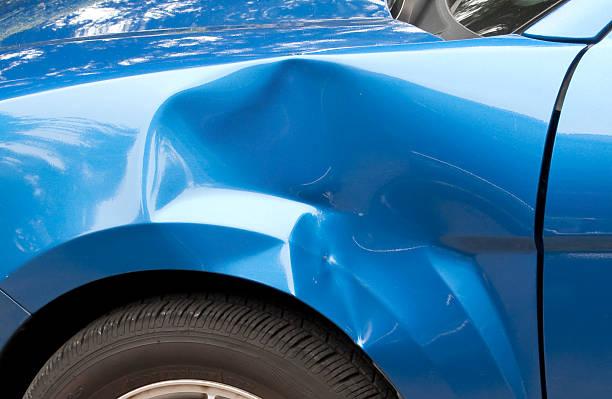
Hail damage feels unfair. Your car was fine, then a storm left dozens of dents. So it is normal to ask if a repair can make it look “like nothing happened.” In many cases, a skilled technician can remove hail dents and restore clean lines. Still, “completely” depends on the dent depth, the paint condition, and the panel material. That is why auto dent repair in The Bronx NY often starts with a close, hands-on check, not guesses from photos. Most people also care about real-life results. You want smooth reflections in daylight. You want doors and hoods to sit right. And you want the fix to hold up after rain, sun, and car washes. This guide breaks down what affects outcomes, what repairs work best, and what “complete” really means for your car.
Auto Dent Repair In The Bronx NY: What “Completely Fixed” Really Means
When people say “complete,” they usually mean three things. First, the dent is gone. Second, the paint still looks factory. Third, the panel does not show waves or ripples in sunlight. That is the goal, but it is not always possible for every dent. A technician checks the metal like a doctor checks a sore spot. They look at dent depth, dent size, and the sharpness of the impact. They also check the clear coat and color. Then they match the best method to the damage.
Here is what “complete” often looks like in real life:
-
The dent disappears in normal daylight.
-
The paint stays original and uncracked.
-
The panel keeps its original shape and fit.
However, if hail stretched the metal or broke the paint, a “complete” result may require paint work too.
When Paintless Dent Repair Works Best For Hail
Paintless dent repair (PDR) can remove many hail dents without repainting. A technician uses special tools to push and massage the metal back into place. Because the paint stays on the panel, the finish often matches better than a repaint. PDR usually works best when dents are shallow and round. It also works well when the paint still flexes and holds tight to the panel. That matters because hail damage often spreads across a hood, roof, and trunk. PDR is also a strong choice when you want to protect resale value. Original paint can matter in appraisals and buyer trust. Still, PDR has limits. If the dent has a sharp “pinch,” the metal may not fully return.
As one common shop saying goes:
“If the paint is intact and the metal is not stretched, PDR can look almost invisible.”
That “almost” is important. Some lighting angles can reveal a very light texture on hard hits.
Signs a Dent May Not Come Out 100% Without Paint
Some hail dents look small but hit hard. So a technician checks more than the size. They check what the dent did to the metal and paint. If the impact stretched the panel, the dent cannot resist a perfect return.
Watch for these signs:
-
Paint cracks or chips. A tool can shape metal, but it cannot “heal” broken paint.
-
Sharp creases. Hail can leave tight edges that keep a memory in the metal.
-
Dents on panel edges. Edges are stronger and can deform in stubborn ways.
-
Aluminum panels. Aluminum can be harder to reshape than steel in some cases.
This is where Bronx auto dent repair planning helps. A careful inspection can show if PDR will be enough or if a blended approach fits better.
Hail Damage On Different Panels: Hood, Roof, Doors, And Trunk
Not all panels behave the same. A hood often dents easily because it is a large, flat surface. A roof can also take heavy hits, and access can be harder. Doors and quarter panels may have braces behind them, which can limit tool reach. So, technicians look at access first. They may remove a headliner for roof dents. They may remove trim or liners for doors. Good access helps results and reduces the need for drilling—also, the panel’s thickness matters. Thicker areas can resist shaping. Thinner areas may flex but also stretch faster. The goal stays the same: return the panel to its original contour without stressing the paint. If you’re searching for auto dent repair services near Bronx, ask how the team gets tool access behind the panel and how they protect trim, clips, and seals during the work.
What A Technician Looks For During An In-Person Inspection
Photos help you spot the problem. But photos do not show everything. During an inspection, a technician uses reflection lights to reveal tiny lows and highs. They also feel the panel with clean hands to detect subtle ripples.
Paint check
They check for cracks, chips, and prior repaint work. Past paint work can change how flexible the finish is.
Metal check
They check dent depth, shape, and stretch. Stretch is a key limiter for a “perfect” result.
Access check
They check if tools can reach behind the dent. If access is poor, results may change.
A common truth in Bronx auto dent repair is simple:
“Two dents can look the same in a photo, but they can act very differently in person.”
That is why an in-person review often saves time and prevents disappointment.
Repair Options Compared: PDR, Filler And Paint, Or Panel Replacement
Sometimes hail damage needs more than one method. The best plan depends on your goals, your timeline, and the damage level. Here is a simple comparison.
|
Method |
Best for |
Limits |
What you gain |
|---|---|---|---|
|
Paintless dent repair (PDR) |
Shallow dents, paint intact |
Stretched metal, cracked paint |
Keeps original paint |
|
Filler + paint refinishing |
Dents with paint damage |
Color matching can be tricky |
Smooth surface again |
|
Panel replacement |
Severe damage or torn metal |
Higher cost, parts delays |
Fresh panel fit |
Many repairs mix methods. For example, for auto dent repair in The Bronx NY, a technician may use PDR first to reduce the dent. Then a painter applies a thin skim and repaints if needed, which can reduce filler depth and support long-term durability.
Three Common Hail-Dent Patterns And What They Mean
Hail does not hit in one “standard” way. The pattern tells a story, and it can guide the repair plan.
Wide “pepper” dents across flat panels
There are many small dents spread out. PDR often works well when paint is healthy.
A few deep hits in one area
These can stretch metal more. A technician may still use PDR, but the goal may shift to “very close” instead of “perfect.”
Dents near braces and edges
These can be stubborn. Tool access and metal strength can limit the final finish.
Each pattern also changes how long repairs can take. More dents usually mean more time, even if each dent is small. So it helps to ask for a clear plan and a realistic finish expectation.
How To Protect Results After Repairs
After repairs, small habits help the finish look better for longer. Also, they help you spot any concerns early.
Start with these steps:
-
Wash gently for the first week if paint work was done.
-
Avoid automatic brushes that can mark the fresh, clear coat.
-
Park in shade when possible, because heat can stress fresh paint.
-
Recheck the panel in sunlight after a few days.
If a technician used PDR only during auto dent repair in The Bronx NY, you can usually return to normal washing sooner. Still, it helps to inspect the panels in good light. Look at reflections from different angles. That is how you confirm the surface looks smooth, not just “good enough” in one spot.
So, If “Complete” Matters Most, Here’s The Smart Next Step
It can feel hard to decide when you want your car back to normal. Still, the best path is clear once you know the dent depth, paint condition, and panel access. A focused inspection can tell you if PDR can remove the dents fully, or if paint work is needed for a true clean finish. If you want a realistic plan for your specific damage, Top Class Auto Body can explain what the panel shows in person and what finish level is reasonable to expect.

 English
 Arabic
 Français
 Español
 Português
 Deutsch
 Türkçe
 Dutch
Dutch
 Italiano
 Russian