


How Do Green Spaces Help Biodiversity?

Green spaces really boost urban biodiversity by providing crucial habitats for a variety of species. They connect fragmented landscapes, allowing wildlife to thrive and move freely. Parks and gardens attract both native and migratory species, while diverse plantings support essential pollinators like bees. These natural areas benefit us too, improving air quality and enhancing our mental well-being. If we look closer, we’ll discover even more ways green spaces work their magic for both nature and our communities.
Why Urban Biodiversity Matters
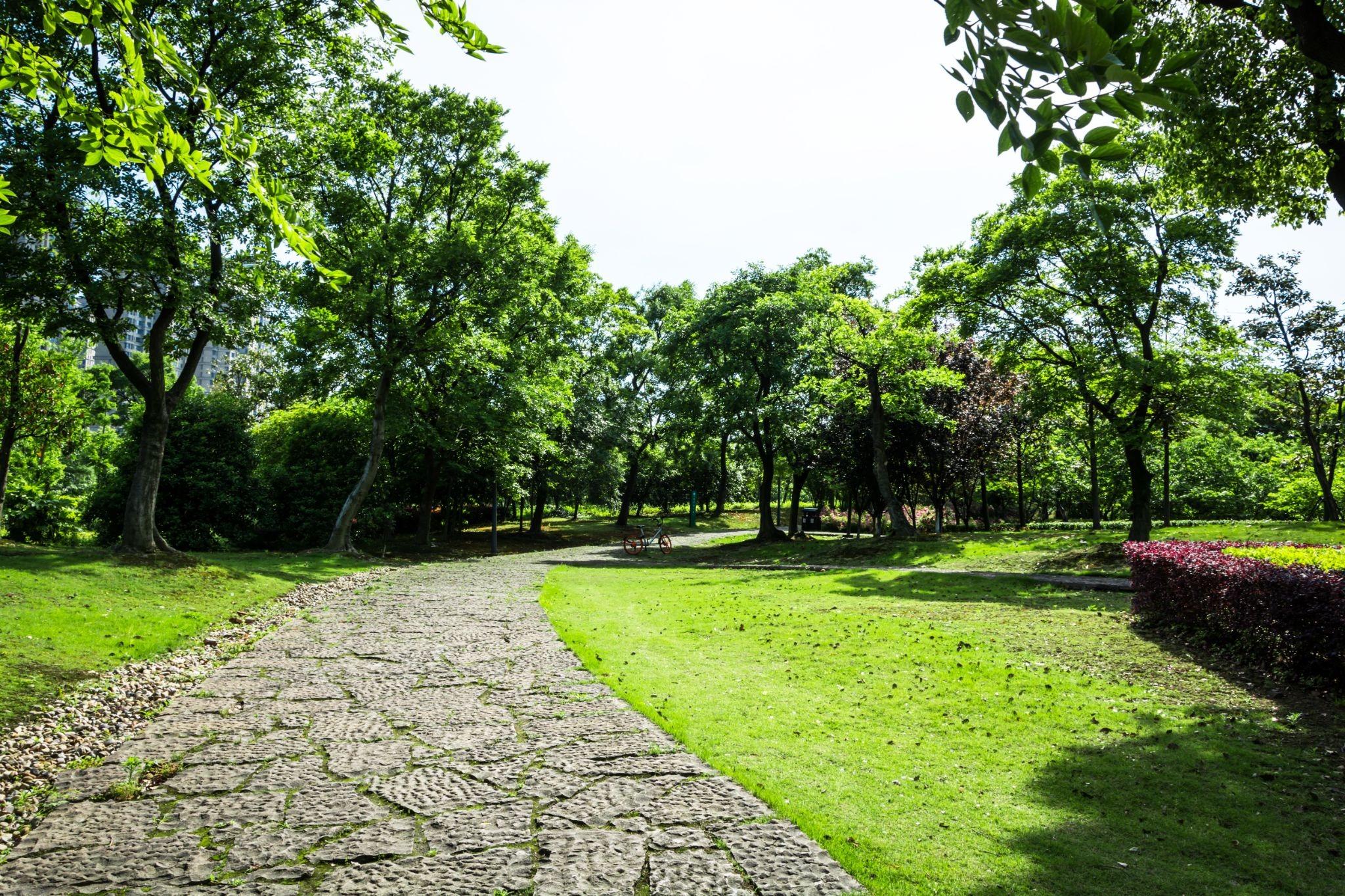
As we navigate the complexities of urban living, we must recognize that green spaces are essential for fostering biodiversity. These areas provide important habitats for various species, from birds and insects to mammals and plants.
Parks and gardens serve as critical refuges in cities where natural habitats are scarce. By promoting diverse planting, we support both native and migratory species, while small gardens can sustain necessary pollinators like bees and butterflies.
Additionally, green spaces act as wildlife corridors, enabling safe movement between habitats. This connectivity not only enhances species survival but also enriches our urban ecosystems, making them more resilient against environmental changes.
Ultimately, embracing urban biodiversity benefits both nature and ourselves.
Benefits of Biodiversity for Urban Communities
Green spaces offer numerous advantages for urban communities, enhancing our quality of life and well-being. They improve our health by providing essential habitats for diverse species, which in turn enriches our local ecosystems.
The greenery around us helps filter pollutants, resulting in cleaner air and water. Plus, having access to nature boosts our mental health, as studies show it can elevate mood and reduce stress.
Urban biodiversity also creates spaces for community engagement, fostering connections among residents. By incorporating green areas into our cities, we not only combat the urban heat island effect but also promote sustainable living practices.
Ultimately, these vibrant ecosystems contribute to a healthier, happier urban life for all of us.
How Green Spaces Foster Urban Wildlife Habitats
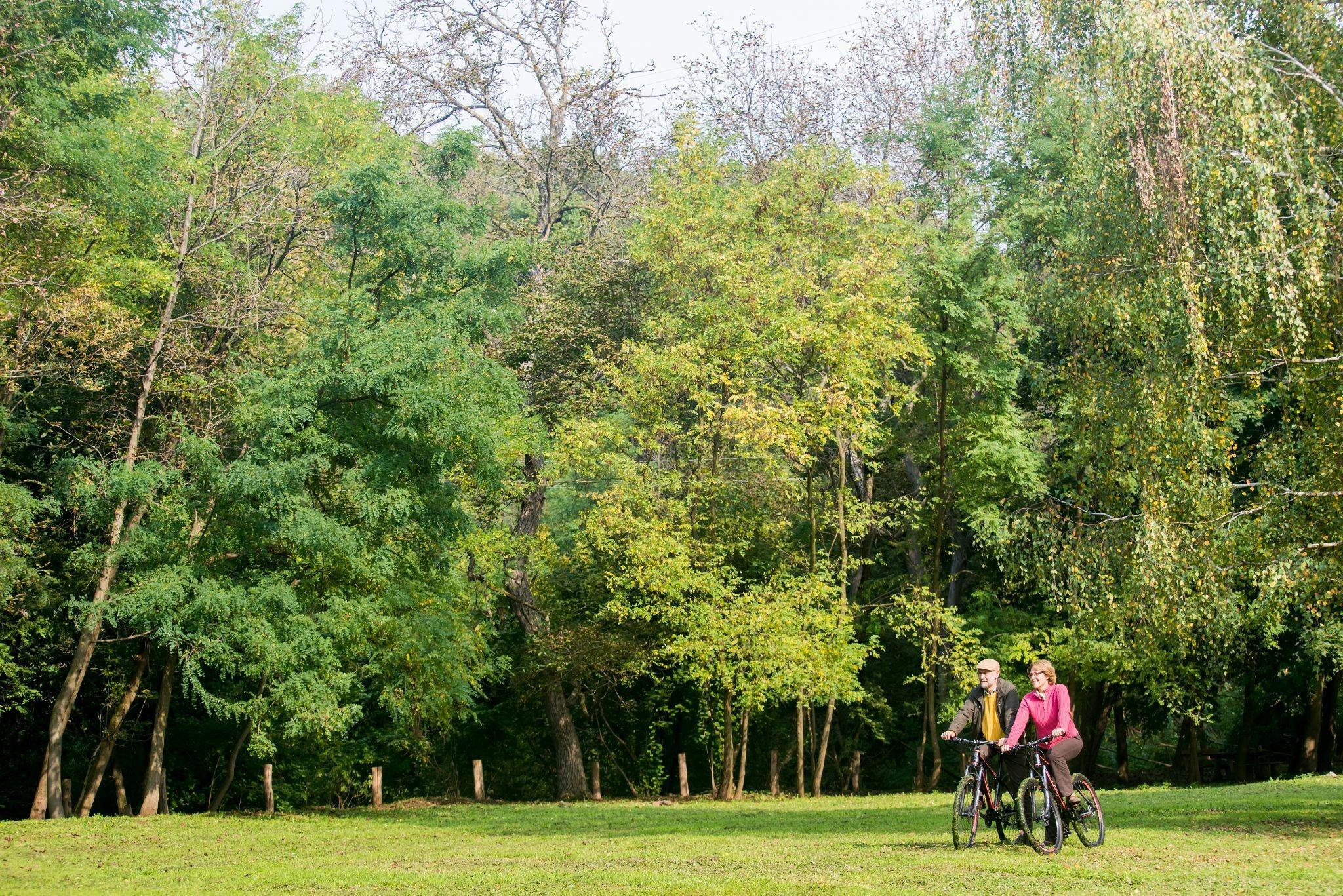
Urban wildlife thrives when we create and maintain green spaces in our cities, allowing diverse species to flourish. These areas serve as important habitats for many creatures, providing refuge amidst urban sprawl.
Here’s how green spaces foster urban wildlife habitats:
-
Essential Habitats: Parks and gardens become sanctuaries for birds, insects, and small mammals, offering them food and shelter.
-
Diverse Planting: By incorporating a variety of native plants, we support both resident and migratory species, enhancing local biodiversity.
-
Pollinator Support: Even small gardens can sustain significant pollinators like bees and butterflies, critical for plant reproduction.
The Role of Parks and Gardens as Wildlife Corridors
Parks and gardens act as essential wildlife corridors, linking fragmented habitats and allowing species to move freely between them. These green spaces create crucial pathways for birds, insects, and small mammals, helping them find food, mates, and safe shelter.
By incorporating diverse planting, we promote biodiversity, attracting both native and migratory species. Even small gardens can support pollinators like bees and butterflies, vital for plant reproduction. Additionally, the trees and shrubs in these areas offer critical shelter and nesting sites.
Together, we can enhance these corridors by planting native species and avoiding harmful pesticides, ensuring our urban ecosystems thrive and remain connected, benefiting both wildlife and our communities. Let’s embrace the role of our parks and gardens in supporting biodiversity!
How to Make Green Spaces More Accessible
Creating accessible green spaces is crucial for fostering biodiversity and enhancing community well-being. We can take specific steps to guarantee everyone can enjoy these essential areas:
-
Improve Transportation Links: Let’s enhance public transportation options and create safe walking and biking paths, making it easier for all to reach green spaces.
-
Design Inclusive Facilities: We should design parks with features like wheelchair-accessible paths, sensory gardens, and rest areas to accommodate diverse needs.
-
Engage Local Communities: By involving residents in the planning process, we can guarantee that green spaces reflect the community's needs and encourage active participation.
Together, these actions can help break down barriers, allowing everyone to connect with nature and support urban biodiversity.
Frequently Asked Questions
How Do Green Spaces Impact Local Climate Conditions?
Green spaces cool our cities, reduce heat islands, and enhance air quality. They absorb rainwater, mitigating flooding, while providing essential habitats for wildlife. Together, we can appreciate and protect these crucial areas for a healthier climate.
What Species Thrive Specifically in Urban Green Spaces?
In urban green spaces, we often find species like birds, butterflies, and bees thriving. These areas support diverse plant life, which attracts various pollinators and creates habitats for small mammals, enhancing our city’s biodiversity.
Can Green Spaces Improve Urban Air Quality?
Yes, green spaces can greatly improve urban air quality. They filter pollutants, absorb carbon dioxide, and release oxygen, making our cities healthier. By nurturing these areas, we enhance our environment and promote better overall well-being.
How Do Green Spaces Influence Mental Health in Communities?
Green spaces boost our mental health by providing soothing environments that reduce stress and anxiety. They encourage us to connect with nature, fostering relaxation and improving overall well-being through outdoor activities and community interactions.
What Role Do Community Gardens Play in Urban Biodiversity?
Community gardens boost urban biodiversity by providing habitats for various species, promoting pollinator populations, and encouraging native plant growth. Together, we cultivate not just plants, but also connections that support our local ecosystems.
Conclusion
To sum up, green spaces are essential for nurturing biodiversity and enhancing our urban lives. By embracing these natural havens, we not only support wildlife but also improve our well-being and community resilience. Let’s advocate for more parks, gardens, and green roofs, making them accessible to everyone. Together, we can create thriving ecosystems that benefit both nature and ourselves, ensuring a healthier, more vibrant urban environment for generations to come.

 English
 Arabic
 Français
 Español
 Português
 Deutsch
 Türkçe
 Dutch
Dutch
 Italiano
 Romaian