


How Do Green Spaces Help Environmental Health?
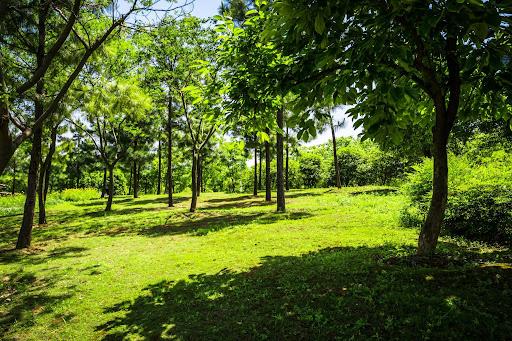
Green spaces play an essential role in enhancing environmental health. They help purify the air, reduce pollution, and provide habitats for diverse species, promoting urban biodiversity. Additionally, these green areas mitigate the urban heat island effect by cooling our surroundings and lowering temperatures. By encouraging outdoor activities, they also support healthier lifestyles. Together, we can foster vibrant communities and improve our environment. Want to discover more about how green spaces benefit us all?
The Importance of Green Spaces for Urban Health

As we navigate urban environments, it’s clear that green spaces play an essential role in our health and well-being. Defined by the WHO, these areas-like parks, gardens, and trees-provide crucial benefits. They improve our physical health by filtering air pollutants and reducing noise, creating a healthier environment for all.
Beyond physical aspects, green spaces enhance our mental health, offering opportunities for socialization and stress relief. They encourage physical activity, promoting healthier lifestyles. Additionally, they spark creativity and productivity, which is why universities and workplaces increasingly invest in greenery.
How Green Spaces Improve Air Quality and Well-Being?
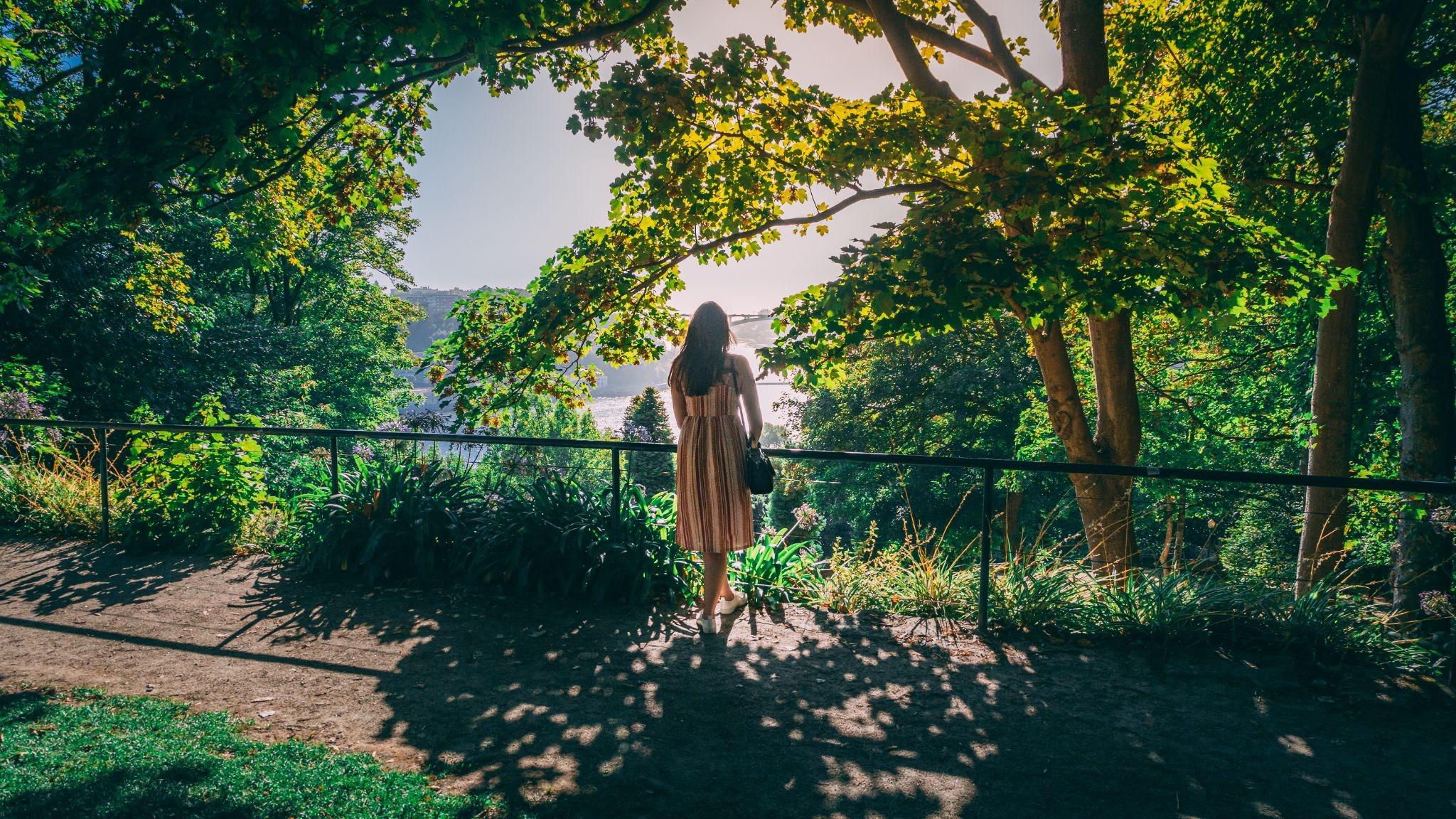
Green spaces play a critical role in improving air quality and our overall well-being. They offer us numerous benefits that directly contribute to healthier lives:
-
Air Purification: Plants absorb pollutants and release oxygen, enhancing the air we breathe.
-
Temperature Regulation: Green spaces help cool urban areas, reducing the heat island effect and lowering health risks.
-
Encouragement of Physical Activity: Parks encourage us to engage in exercise, combating obesity and related health issues.
-
Mental Health Boost: Spending time in nature reduces stress, anxiety, and depression, promoting happiness and social interaction.
How Green Spaces Support Urban Biodiversity?
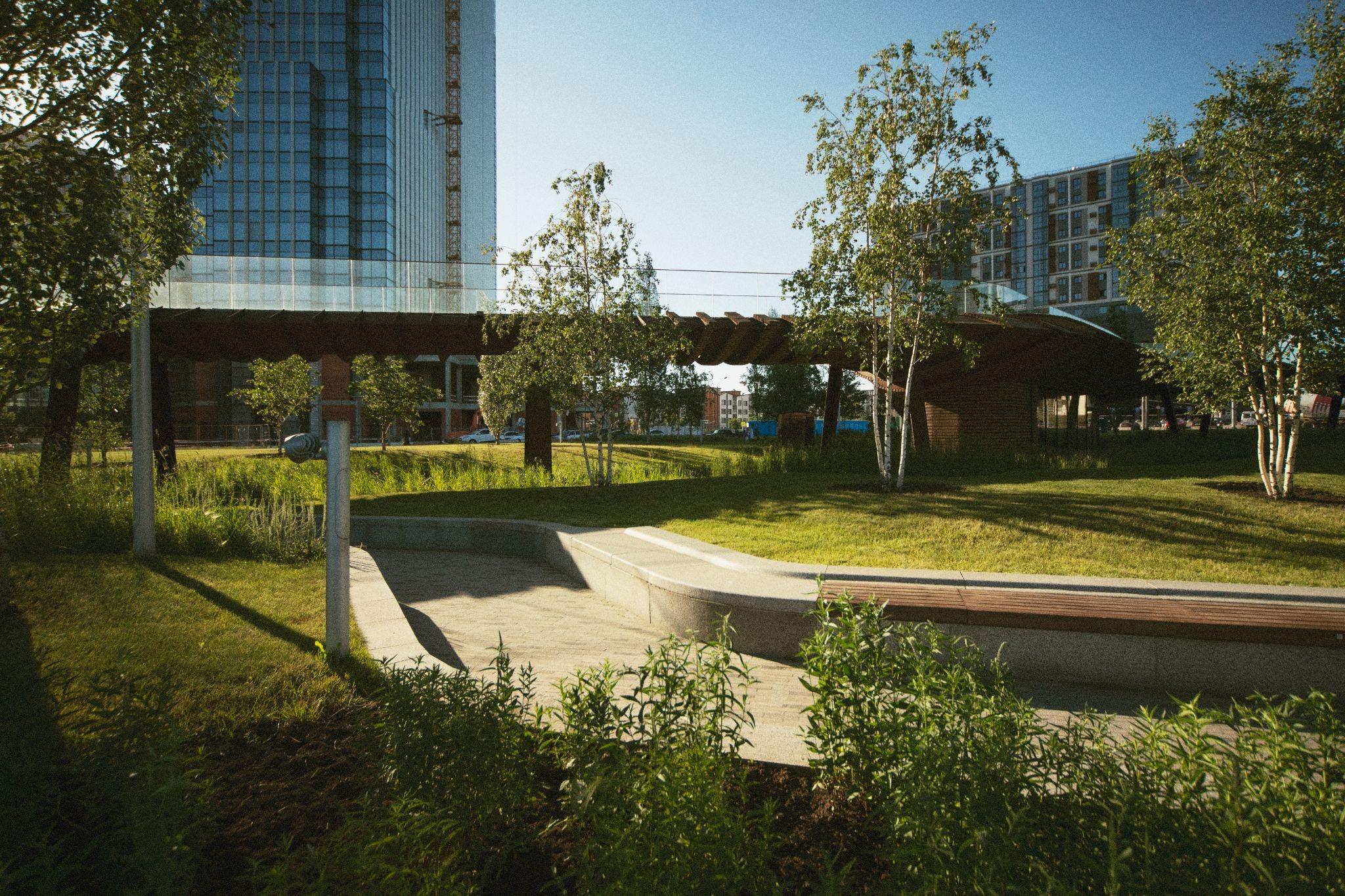
Urban areas often struggle with biodiversity loss, but incorporating green spaces can greatly counteract this trend. By creating parks, gardens, and green corridors, we provide habitats for various species, from pollinators to birds.
These spaces not only support wildlife but also enhance our connection to nature, fostering a sense of community and environmental stewardship.
Moreover, green spaces can mitigate the impacts of urbanization, offering refuge for flora and fauna that might otherwise be displaced. As we plant native species and encourage biodiversity, we also improve ecosystem services like pollination and water management.
Embracing green spaces is essential for nurturing urban biodiversity, ensuring that our cities remain vibrant and livable for both people and wildlife.
Combating Urban Heat With Green Spaces
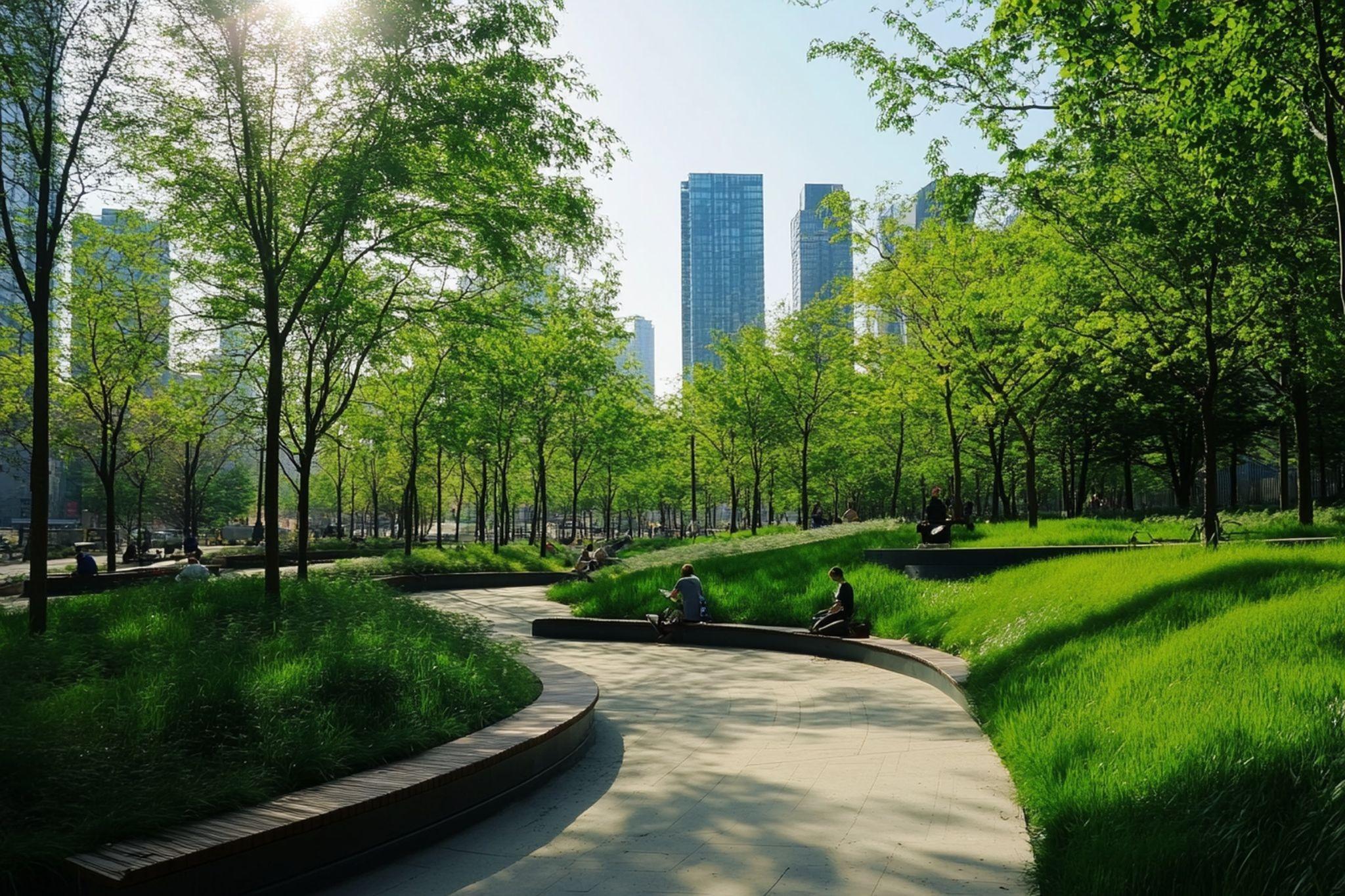
While many may not realize it, incorporating more greenery into our cities can greatly combat the urban heat we constantly face.
Green spaces play a crucial role in cooling our surroundings and improving our overall well-being. Here’s how they help:
-
Shade Provision: Trees and plants provide shade, reducing surface temperatures and lowering the need for air conditioning.
-
Moisture Release: Through a process called evapotranspiration, vegetation releases moisture, which cools the air.
-
Wildlife Habitat: Increased greenery supports biodiversity, creating ecosystems that thrive even in urban settings.
-
Air Quality Improvement: Green spaces filter pollutants, enhancing the air we breathe and reducing health risks.
Engaging Communities Through Green Spaces
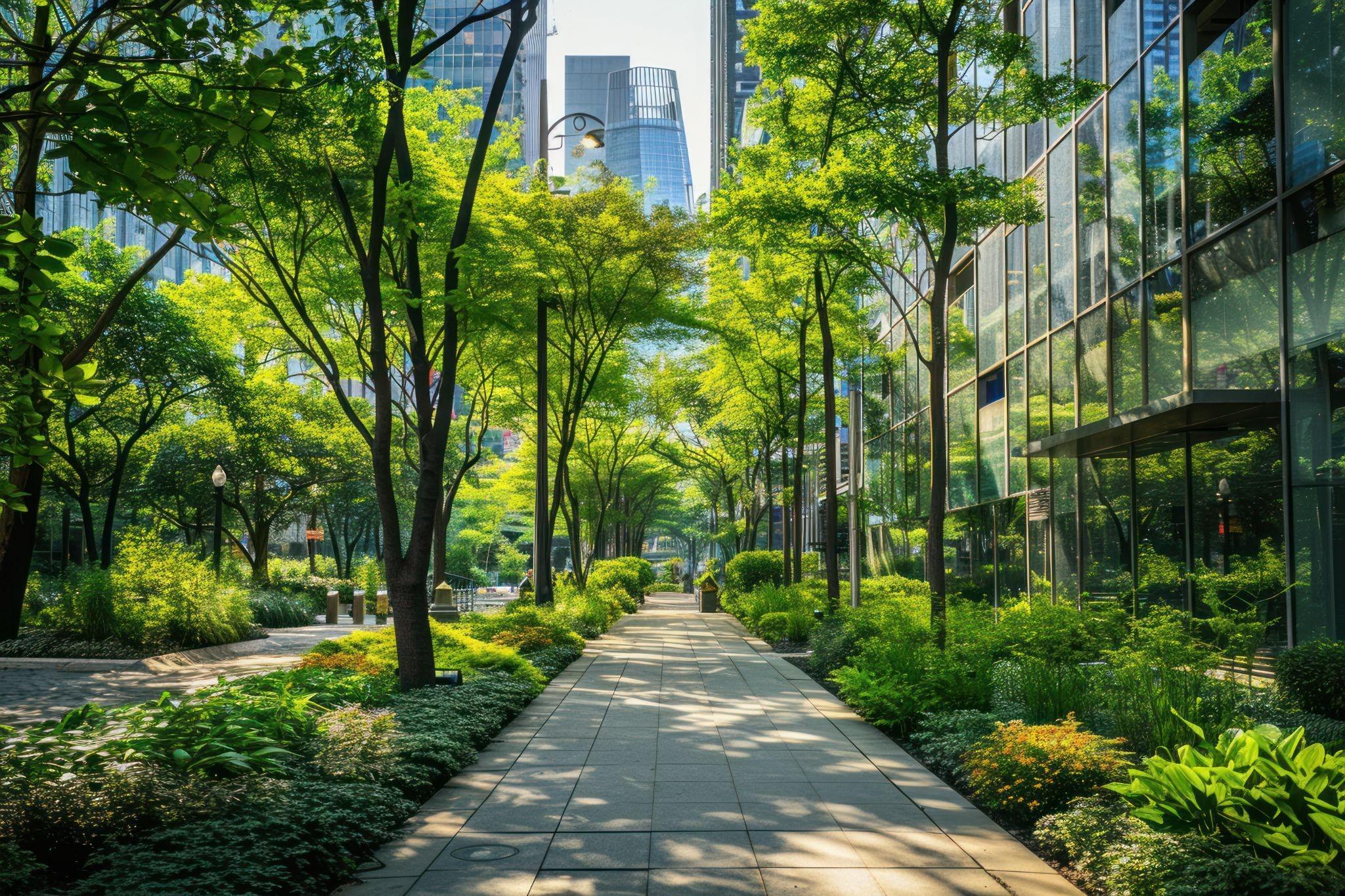
When communities come together in green spaces, they create vibrant environments that foster connection and collaboration. These areas provide more than just a refreshing change; they become essential hubs for social interaction and community pride.
By hosting local events, farmers' markets, and gatherings, green spaces encourage us to engage, share, and strengthen our bonds. They also support local economies by attracting visitors and promoting local businesses.
Furthermore, these spaces enhance our overall livability, offering a sense of place that nurtures our identities. As we invest in and maintain these communal areas, we not only improve our health and well-being but also cultivate a shared responsibility for our environment and each other.
Frequently Asked Questions
How Do Green Spaces Affect Local Wildlife Populations?
Green spaces boost local wildlife populations by providing habitats and food sources. We enhance biodiversity, support pollinators, and create ecosystems that thrive, ensuring a balanced environment where nature and community can flourish together.
What Role Do Green Spaces Play in Climate Change Mitigation?
Green spaces actively mitigate climate change by sequestering carbon, reducing urban heat, and managing stormwater runoff. Together, we can appreciate their essential role in promoting ecological balance and fostering healthier communities for future generations.
Can Green Spaces Influence Property Values in Urban Areas?
Yes, green spaces greatly influence property values in urban areas. We’ve seen homes near parks often appreciate faster, enhancing community appeal and attracting buyers. Investing in greenery can elevate our neighborhood's desirability and market worth.
How Do Green Spaces Promote Water Conservation Practices?
Green spaces encourage us to adopt water conservation practices by showcasing native plants that require less water. They inspire community engagement in sustainable gardening, helping us all appreciate the importance of preserving this essential resource.
What Design Features Enhance the Effectiveness of Green Spaces?
To enhance green spaces, we should incorporate diverse plant species, create shaded areas, guarantee accessibility, integrate water features, and design community spaces that encourage interaction. These elements foster engagement and promote environmental benefits for everyone.
Conclusion
To sum up, green spaces are essential for our urban health and well-being. They not only purify our air and support biodiversity but also help combat the heat and foster community connections. By recognizing their importance and advocating for the preservation and expansion of these areas, we can enhance our environment and quality of life. Let’s commit to nurturing these green havens, ensuring they thrive for generations to come. Together, we can make a meaningful difference!

 English
 Arabic
 Español
 Português
 Deutsch
 Türkçe
 Dutch
Dutch
 Italiano
 Russian
 Romaian