


Bearing Manufacturer Mistakes That Cause Machine Failure
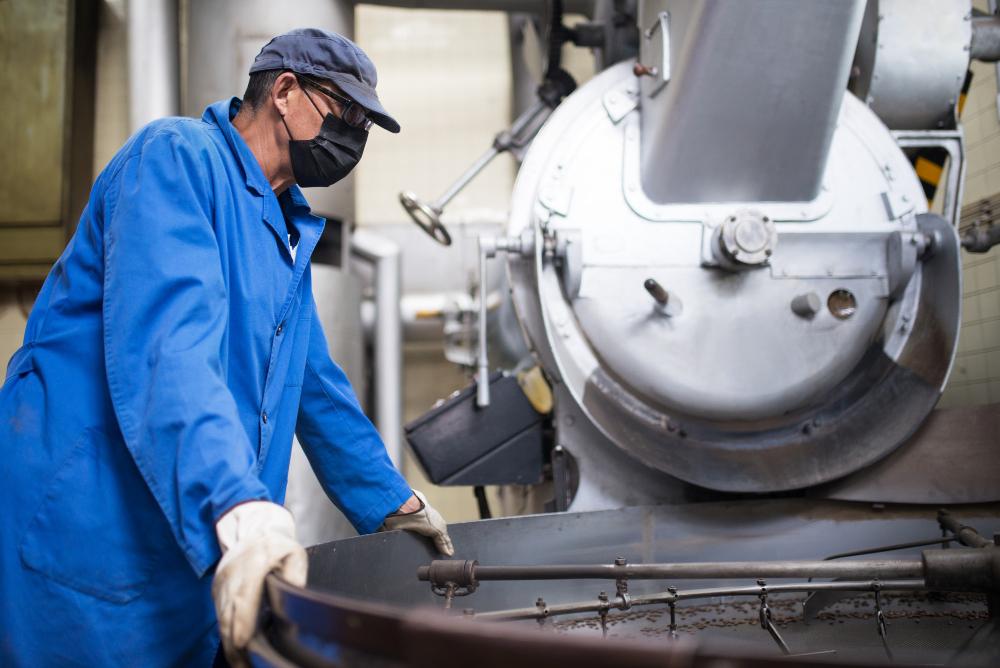
Industrial equipment depends heavily on bearing performance. When bearings fail, machines lose efficiency, production slows down, and maintenance costs rise quickly. Many manufacturers experience repeated equipment breakdowns not because of machine design problems, but because they rely on low-quality bearing suppliers that cannot maintain consistent production standards.
For B2B companies, choosing the right bearing manufacturer is critical for operational reliability, production stability, and long-term cost control. Bearings operate inside high-load, high-speed, and high-temperature environments where even small dimensional inaccuracies can create serious mechanical problems.
This article explains why poor bearing manufacturing causes costly industrial failures, how businesses can avoid supplier-related downtime, and what buyers should evaluate before selecting a bearing manufacturer in 2026.
Why Low-Quality Bearings Create Expensive Industrial Problems
Many industrial buyers focus primarily on reducing short-term procurement costs. However, low-cost bearings often create much higher long-term operational expenses.
Poor manufacturing standards can lead to:
- Premature bearing wear
- Excessive machine vibration
- Overheating during operation
- Lubrication leakage
- Shaft instability
- Reduced rotational accuracy
- Unexpected production shutdowns
When bearings fail inside critical machinery, the damage often spreads to surrounding components such as shafts, housings, seals, and motors. This increases repair costs and extends downtime.
Industries such as automotive manufacturing, mining, CNC machining, agriculture, robotics, and heavy equipment production cannot afford unstable bearing performance.
Common Problems Caused by an Inexperienced Bearing Manufacturer
Not all manufacturers follow the same engineering standards. Some suppliers prioritize production volume over precision control, creating inconsistent bearing quality.
Several manufacturing issues directly affect bearing reliability.
Poor Material Quality
Low-grade steel reduces load capacity and accelerates surface fatigue under continuous operation.
Bearings operating under heavy loads require durable materials with high wear resistance and thermal stability.
Inconsistent Dimensional Accuracy
Precision tolerances are critical in industrial applications. Small deviations in raceway geometry or rolling element dimensions can increase friction and vibration.
This affects machine stability and reduces operational efficiency.
Weak Heat Treatment Processes
Improper heat treatment weakens bearing hardness and structural durability. Bearings may crack, deform, or wear prematurely under high-speed operation.
Low Precision Surface Finishing
Rough internal surfaces increase rotational friction and generate heat during operation.
High-quality bearing manufacturers use precision grinding and finishing techniques to improve smooth rotational movement.
How a Reliable Bearing Manufacturer Improves Machine Performance
A trusted bearing manufacturer focuses on precision engineering, material consistency, and strict quality control. This directly improves equipment reliability and operational lifespan.
Better Load Handling
Industrial machinery often operates under combined radial and axial loads. Precision-manufactured bearings distribute pressure evenly, reducing stress concentration.
This improves durability in:
- Industrial motors
- Gearboxes
- Pumps
- Conveyor systems
- Robotics equipment
- CNC machinery
Reduced Downtime
Reliable bearings maintain stable operation under continuous workloads, helping businesses reduce unplanned maintenance interruptions.
Lower downtime improves production scheduling and delivery performance.
Higher Rotational Accuracy
Modern manufacturing equipment requires consistent rotational precision.
High-quality bearing systems improve:
- Machine stability
- Positioning accuracy
- Surface finish quality
- Production consistency
This is especially important in automation and precision machining industries.
Longer Service Life
Advanced manufacturing processes improve bearing durability, reducing replacement frequency and long-term operational costs.
Businesses save money by avoiding repeated maintenance cycles.
Industries That Depend on Trusted Bearing Manufacturers
Industrial bearing performance affects nearly every production sector.
Automotive Industry
Automotive production lines require stable bearing systems for continuous high-speed operation.
Manufacturing and CNC Systems
Precision machining depends on accurate rotational movement and low vibration.
Mining and Heavy Equipment
Heavy industrial machinery requires durable bearings capable of handling extreme loads and harsh environments.
Robotics and Automation
Automation systems require compact, high-precision bearing solutions that maintain long operational stability.
Warning Signs Your Bearing Supplier Is Creating Problems
Industrial buyers should monitor equipment performance carefully to identify supplier-related quality issues.
Frequent Bearing Replacement
Repeated failures often indicate inconsistent manufacturing quality rather than installation problems.
Excessive Machine Heat
Low-quality bearings generate more friction during operation.
Increased Operational Noise
Grinding or humming sounds may signal poor internal raceway precision.
Vibration Problems
Unstable rotational movement can damage connected machine components over time.
Inconsistent Product Quality
In precision manufacturing, poor bearing performance affects overall production accuracy.
Early identification helps businesses avoid larger operational failures.
How to Choose the Right Bearing Manufacturer in 2026
Modern industrial systems require higher precision and greater reliability than ever before. Choosing the right supplier is now a strategic business decision rather than a simple purchasing task.
A reliable bearing manufacturer should provide:
- Precision engineering capabilities
- High-grade raw materials
- Strict quality control systems
- Technical application support
- Stable production capacity
- Long-term supply reliability
- Industry-specific bearing solutions
Businesses should also evaluate supplier experience in handling high-speed, high-load, and precision industrial applications.
Why Bearing Quality Matters More in Modern Manufacturing
Industrial automation and smart manufacturing systems are increasing operational demands on rotating components.
Manufacturers in 2026 are focusing on:
- Predictive maintenance systems
- Reduced downtime
- Energy-efficient operations
- Precision automation
- Long-term operational savings
High-quality bearings support these goals by improving machine stability, reducing vibration, and extending equipment lifespan.
Reliable bearing manufacturers now play a direct role in production efficiency and operational profitability.
Conclusion
Choosing the wrong bearing manufacturer can create serious operational problems, including downtime, equipment damage, reduced production quality, and rising maintenance expenses.
High-quality bearing manufacturers provide precision-engineered solutions that improve machine reliability, rotational accuracy, and long-term operational performance. Businesses that invest in reliable bearing systems reduce maintenance risks and protect production continuity.
For B2B industries, bearing selection is no longer just a purchasing decision. It is a critical investment in productivity, efficiency, and industrial reliability.

 English
 Arabic
 Français
 Español
 Deutsch
 Türkçe
 Dutch
Dutch
 Italiano
 Russian
 Romaian