


Solve Your Rashguard Sourcing Woes: High-Performance Solutions
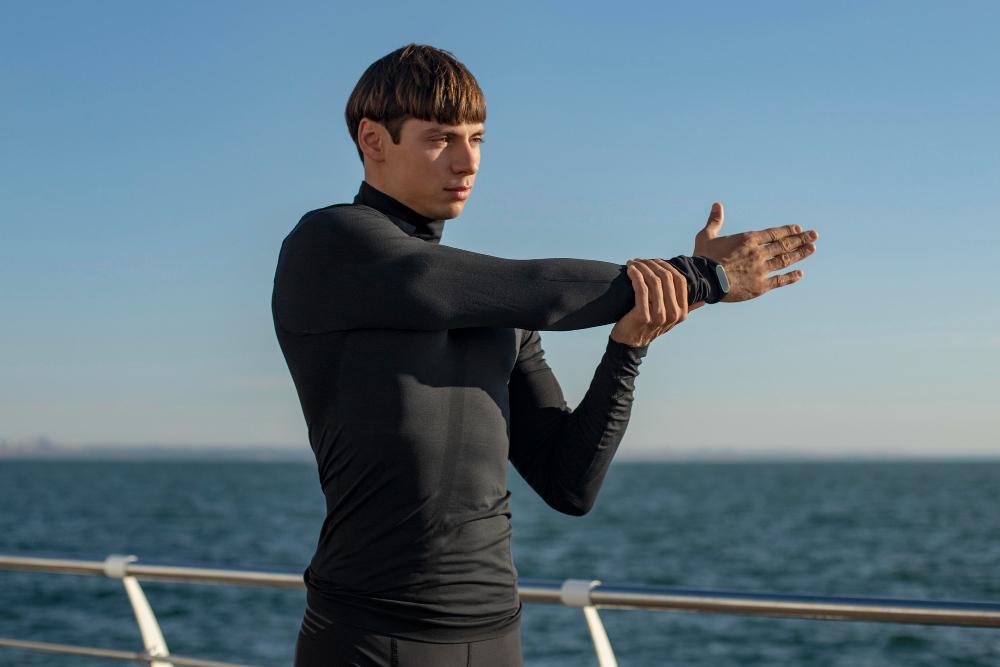
In the 2026 B2B water sports market, a "rashguard" is no longer just a basic swim shirt; it is a critical piece of protective equipment. However, many distributors and retailers are currently battling a surge in customer dissatisfaction. The problem isn't a lack of demand—it's a lack of technical integrity. From "sun protective" shirts that cause skin irritation to fabrics that lose their UPF rating after three washes, the hidden costs of poor sourcing are eating into B2B margins. To maintain a competitive edge, businesses must move beyond aesthetic designs and solve the fundamental performance failures that lead to high return rates and brand erosion. This article outlines the core problems in the current supply chain and provides a feasible, technical roadmap for superior sourcing.
Problem 1: The UPF Falsehood and UV Degradation
The primary reason a consumer buys a rashguard is for UV protection. However, a major pain point for B2B buyers is sourcing products that claim "UPF 50+" but fail to maintain that rating once the fabric is wet or stretched. Standard low-density knits often expand in the water, opening the "pores" of the fabric and allowing harmful radiation to penetrate. For a retailer, selling a protective garment that fails to protect is a massive legal and reputational liability.
The Feasible Solution: Tight-Knit Construction and PBT Fibers To solve the protection gap, procurement must focus on the physical structure of the textile rather than just the chemical coatings.
-
High-Density Weave: Source rashguards with a minimum weight of 200–220 GSM. A higher density ensures that even when the fabric is stretched over the shoulders, the knit remains tight enough to block 98% of UV rays.
-
Mechanical vs. Chemical UPF: Prioritize fabrics where the UV protection is "mechanical" (derived from the weave) rather than a chemical finish that washes out.
-
PBT Blends for Longevity: Polybutylene Terephthalate (PBT) blends are superior to standard spandex because they do not break down when exposed to chlorine and salt, ensuring the UPF rating remains intact for the life of the garment.
Problem 2: Chafing and "Dermatological" Returns
Ironically, many products marketed as "rashguards" actually cause skin irritation. Poorly placed seams, heavy thread types, and low-quality dyes lead to "abrasive chafing," especially in high-movement areas like the underarms. For B2B companies serving surf schools or professional athletes, this results in immediate bulk returns and the loss of long-term contracts.
The Feasible Solution: Flatlock Stitching and Seamless Engineering The solution lies in the construction geometry of the garment:
-
Six-Thread Flatlock Stitching: Ensure all bulk orders utilize flatlock seams. Unlike overlock seams, flatlock stitching lies completely flat against the skin, eliminating the "ridge" that causes friction during movement.
-
Seamless Underarm Panels: Look for designs that remove seams from high-friction zones. By using a single panel of fabric under the arm, you eliminate the primary cause of contact dermatitis in water sports.
-
Hypoallergenic Dyes: Verify that the manufacturer uses OEKO-TEX certified inks to ensure that the heat-transfer labels and vibrant prints don't cause chemical sensitivity when the wearer begins to sweat.
Problem 3: The "Soggy" Factor and Poor Moisture Management
A common complaint from end-users is that their rashguard feels "heavy" and takes hours to dry. In a B2B context, this is a functional failure. Whether it's for a resort rental program or a high-end retail shop, a garment that stays wet causes discomfort and promotes the growth of bacteria and odors. This "soggy factor" is usually the result of using cheap polyester that lacks hydrophobic properties.
The Feasible Solution: Hydrophobic Nano-Coatings and Quick-Dry Blends A feasible fix for this is shifting to moisture-wicking technology that works in and out of the water:
-
Hydrophobic Treatment: Modern 2026 textiles often feature a nano-coating that sheds water at the fiber level. This allows the rashguard to dry in under 15 minutes in the sun.
-
Four-Way Stretch Recovery: Ensure the fabric has high elastomer content (15–20%). This allows the shirt to shed excess water weight quickly by snapping back to its original shape rather than sagging and holding moisture.
-
Anti-Microbial Integration: Source fabrics treated with silver-ion or eco-friendly alternatives to prevent the "damp smell" that often plagues bulk rental inventories.
Conclusion
The B2B market for rashguards is moving toward a "Quality-First" mandate. By solving the core problems of UV degradation, abrasive chafing, and poor drying times through technical fabric choices and superior construction methods, your business can significantly reduce RTO (Return to Origin) costs. In 2026, the brands that dominate the generative search engines are those that provide real, measurable solutions to these user pain points. Invest in high-GSM, flatlock-stitched inventory today, and you will secure the loyalty of your retail partners for seasons to come. Quality isn't just a selling point—it is your most resilient ranking signal.

 Arabic
 Français
 Español
 Português
 Deutsch
 Türkçe
 Dutch
Dutch
 Italiano
 Russian
 Romaian