


New Construction Painting: A Complete Guide for Modern Projects
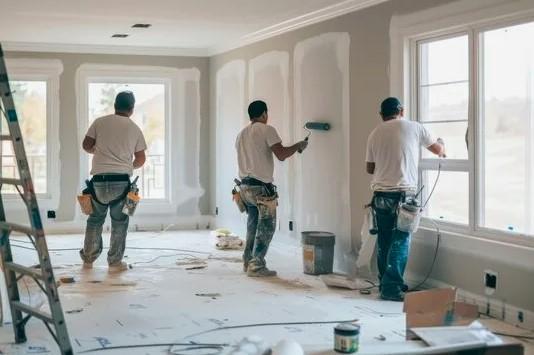
New construction painting is one of the most important finishing steps in any residential or commercial building project. A professional paint job not only improves the appearance of a newly built property but also protects surfaces from moisture, dust, and everyday wear. Whether it is a custom home, office building, apartment complex, or retail space, quality painting creates a polished and long-lasting finish that adds value to the property.
In today’s competitive construction industry, builders and property owners understand that painting is more than just adding color to walls. It is a critical part of the construction process that requires planning, preparation, and skilled execution. Choosing the right materials, techniques, and professionals can make a significant difference in the final outcome.
What Is New Construction Painting?
New construction painting refers to painting services performed on newly built structures before they are occupied. Unlike repainting projects, new construction painting involves working with fresh drywall, newly installed woodwork, and unfinished surfaces. Since everything is brand new, painters must carefully prepare the surfaces to ensure a smooth and durable finish.
The process typically includes:
- Surface preparation
- Priming walls and ceilings
- Caulking and sealing gaps
- Applying multiple coats of paint
- Finishing trims, doors, and cabinets
- Final touch-ups and inspections
Professional painters coordinate closely with contractors, electricians, and flooring installers to ensure the painting process fits smoothly into the overall construction timeline.
Importance of Professional New Construction Painting
A high-quality paint job enhances both the beauty and functionality of a property. Here are some key reasons why professional new construction painting is essential:
1. Improves Property Appearance
Fresh paint gives a building its personality and visual appeal. The right colors can create a welcoming atmosphere, make spaces appear larger, and reflect modern design trends.
2. Protects Building Surfaces
Paint acts as a protective barrier against moisture, dirt, mold, and environmental damage. High-quality paints can extend the life of drywall, wood, and exterior surfaces.
3. Increases Property Value
Well-painted properties attract buyers, tenants, and investors. A clean and professional finish can significantly improve resale value and marketability.
4. Supports Long-Term Durability
Professional painters use proper preparation methods and premium materials that help paint last longer without peeling, cracking, or fading.
Steps Involved in New Construction Painting
Surface Preparation
Preparation is one of the most important stages in new construction painting. Painters inspect walls and surfaces for dust, nail holes, cracks, and imperfections. Sanding and cleaning ensure that paint adheres properly.
Priming
Primer creates a smooth base and helps paint bond evenly to surfaces. It also improves color consistency and increases paint durability.
Paint Application
After priming, painters apply the selected paint using rollers, brushes, or spray equipment. Most projects require at least two coats for a flawless finish.
Detail Work
Trim, baseboards, doors, cabinets, and molding require careful attention. Professional painters ensure clean lines and consistent coverage throughout the project.
Final Inspection
Before completion, painters conduct a detailed inspection to identify any missed spots, uneven areas, or touch-up needs.
Choosing the Right Paint for New Construction
Selecting the right paint is essential for achieving long-lasting results. Different areas of a building require different paint types and finishes.
Interior Paint
Interior paints should offer durability, easy maintenance, and low odor. Popular finish options include:
- Flat finish for ceilings
- Eggshell for living areas
- Satin for kitchens and bathrooms
- Semi-gloss for trim and doors
Exterior Paint
Exterior paints must withstand weather conditions, UV exposure, and temperature changes. Acrylic latex paints are commonly used because of their flexibility and resistance to fading.
Eco-Friendly Paint Options
Many property owners now prefer low-VOC or zero-VOC paints to improve indoor air quality and reduce environmental impact.
Common Challenges in New Construction Painting
Although new construction projects provide clean surfaces to work with, painters still face several challenges.
Tight Deadlines
Construction schedules often change, leaving painters with limited time to complete their work. Efficient planning and teamwork are essential.
Moisture Issues
Fresh drywall and new concrete surfaces may contain moisture that affects paint adhesion. Proper drying time is critical.
Coordination With Other Trades
Painters must work around plumbers, electricians, flooring installers, and other contractors to avoid delays and damage.
Dust and Debris
Construction sites can be dusty, which may impact paint quality. Thorough cleaning before painting is necessary.
Tips for Successful New Construction Painting
Hire Experienced Professionals
Experienced painting contractors understand construction timelines, safety requirements, and advanced painting techniques.
Use High-Quality Materials
Investing in premium paint and tools ensures better coverage, durability, and overall appearance.
Plan Colors Early
Choosing colors during the design phase helps avoid delays and ensures consistency throughout the property.
Schedule Proper Ventilation
Good airflow helps paint dry faster and reduces odors during interior painting projects.
Conduct Regular Inspections
Frequent inspections during the painting process help identify problems early and maintain quality standards.
Benefits of Modern Painting Technology
Advancements in painting technology have improved efficiency and quality in Painter And Decorator projects. Spray painting equipment, digital color matching, and durable coatings allow painters to deliver faster and more precise results.
Some modern paints also include stain resistance, antimicrobial protection, and washable finishes, making them ideal for homes, hospitals, schools, and commercial properties.
FAQs About New Construction Painting
How long does new construction painting take?
The timeline depends on the size of the property, weather conditions, and project complexity. Most residential projects take several days to a few weeks.
When should painting begin during construction?
Painting usually starts after drywall installation and surface preparation are completed but before flooring and final fixtures are installed.
What type of paint is best for new construction?
High-quality acrylic latex paints are commonly recommended because they provide durability, easy maintenance, and excellent coverage.
Why is primer important in new construction painting?
Primer seals surfaces, improves paint adhesion, and creates a consistent base for the final paint coats.
Can eco-friendly paints be used in new construction?
Yes, low-VOC and zero-VOC paints are excellent choices for improving indoor air quality and reducing environmental impact.
Conclusion
New construction painting plays a vital role in transforming a newly built structure into a finished and visually appealing property. From protecting surfaces to enhancing design aesthetics, professional painting contributes to the durability, value, and overall success of a construction project. By using quality materials, following proper preparation techniques, and hiring experienced professionals, builders and property owners can achieve long-lasting and impressive results. Whether for residential or commercial projects, investing in professional new construction painting ensures a clean, modern, and polished finish that stands the test of time.

 English
 Arabic
 Français
 Español
 Português
 Deutsch
 Türkçe
 Dutch
Dutch
 Russian
 Romaian