


The Rust Belt Rebels: A Deep Dive into Rat Rod Culture
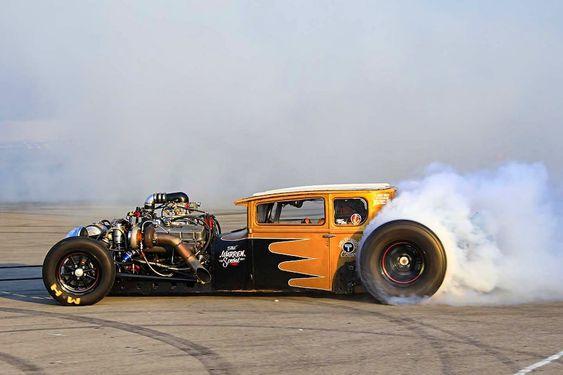
The automotive world is full of gleaming, polished machines that celebrate speed and style. But in a stark contrast to this shiny veneer lies the raw, rebellious spirit of Rat Rods. Born out of a desire to buck convention and celebrate mechanical authenticity, Rat Rods are more than just cars—they’re a cultural statement. Let’s dive deep into the gritty universe of Rat Rod culture.
What Exactly Is a Rat Rod?
At its core, a Rat Rod is a hot rod with a deliberately unfinished or weathered appearance. Unlike traditional hot rods, which emphasize chrome, flawless paint jobs, and period-correct parts, Rat Rods embrace imperfection. Think rusted body panels, mismatched wheels, exposed engines, and a general “built, not bought” ethos.
But don’t mistake “unfinished” for “uninspired.” Rat Rod builders invest incredible skill, creativity, and passion into their projects, often fabricating custom components from salvaged materials.
The History Behind the Rust
Origins in the 1940s Hot Rod Scene
The roots of Rat Rod culture trace back to the early days of hot rodding in Southern California after World War II. Young enthusiasts with limited budgets transformed discarded military vehicles, Model T Fords, and other pre-war automobiles into faster, lighter, more aggressive machines. These pioneers valued performance over looks, stripping down their cars to the bare essentials and making do with whatever parts were available.
Decline and Revival
As hot rodding evolved during the 1950s and ‘60s, tastes shifted toward pristine finishes and expensive chrome accessories. This left many original hot rods abandoned or modified beyond recognition. In the late 1980s and early 1990s, however, a new generation of builders began rediscovering and reviving the raw, stripped-down aesthetic of those early hot rods. They christened them "Rat Rods."
The Rise of a Counterculture
By the mid-2000s, Rat Rods had exploded onto the scene, bolstered by television shows like American Hot Rod and online communities. What began as an underground movement soon became a legitimate subculture within the larger car enthusiast world.
Core Values of Rat Rod Culture
Unlike show car culture, which values conformity to specific standards, Rat Rod culture celebrates individuality and ingenuity. Key principles include:
- DIY Spirit: Building rather than buying is paramount. Many Rat Rodders fabricate their own frames, suspension, and bodywork using junkyard finds and hand tools.
- Mechanical Purity: Functionality trumps form. Exposed engines and visible welds are badges of honor, showcasing the builder’s craftsmanship.
- Anti-Perfectionism: Flaws, rust, dents, and patina are embraced as proof of history and hard work.
- Community & Camaraderie: Rat Rod culture thrives on shared knowledge, helping fellow builders, and attending grassroots events.
Aesthetics That Define the Look
While no two Rat Rods look alike, certain design elements have become synonymous with the genre:
- Chopped Roofs & Lowered Stance: A signature characteristic giving Rat Rods their aggressive posture.
- Exposed Engines: Often adorned with period-appropriate carburetors, velocity stacks, and headers.
- Mismatched Parts: Wheels, grilles, headlights, and other components sourced from various vehicles add character.
- Minimalist Interiors: Spartan cabins with bomber-style seats, simple gauges, and basic shifters.
- Rusty Patina: Original paint left to weather naturally or artificially distressed to achieve that coveted aged appearance.
Beyond Cars: Lifestyle & Community
Rat Rod culture extends far beyond the garage. It encompasses a lifestyle defined by rebellion, self-reliance, and a love for all things mechanical. Events like:
- Backyard Build-Offs
- Swap Meets & Junkyard Crawls
- Charity Car Shows & Cruises
bring Rat Rodders together to share stories, trade parts, and showcase their creations. Music plays a significant role too, with rockabilly, punk, and blues often blasting from Rat Rod stereos.
Famous Builders and Icons
Several individuals have risen to prominence in the Rat Rod world. Names like Steve Stanford (creator of the iconic “Coddington Clone”), Dave Shuten, and Gene Winfield are revered for their innovative designs and dedication to preserving the roots of hot rodding.
Criticisms and Controversies
As Rat Rod culture has grown, it hasn’t been without controversy. Some purists argue that Rat Rods are merely “poser rods,” disrespecting the legacy of true traditional hot rods. Others criticize the safety of heavily modified, minimally engineered vehicles. Still, proponents maintain that Rat Rods represent a creative outlet and a celebration of individuality in an increasingly homogenized world.
Looking Ahead: The Future of Rat Rods
Rat Rod culture continues to evolve, with younger generations injecting fresh ideas while still honoring tradition. Hybrid builds combining classic aesthetics with modern technology are becoming more common. Sustainability is also influencing the scene, with some builders exploring alternative power sources and eco-friendly materials.
Ultimately, Rat Rod culture remains a vibrant testament to human creativity, resourcefulness, and the enduring appeal of building something truly unique with your own hands.
If you're looking to get involved, start by searching for local car clubs, swap meets, or build threads online. You might just find yourself drawn into one of the most authentic and passionate communities in the automotive world.
Drive on, and keep the rust alive! Read more https://ratrodusa.com

 English
 Arabic
 Français
 Español
 Português
 Deutsch
 Dutch
Dutch
 Italiano
 Russian
 Romaian