


How Endpoint Data Protection Solutions Prevent Costly Data Breaches
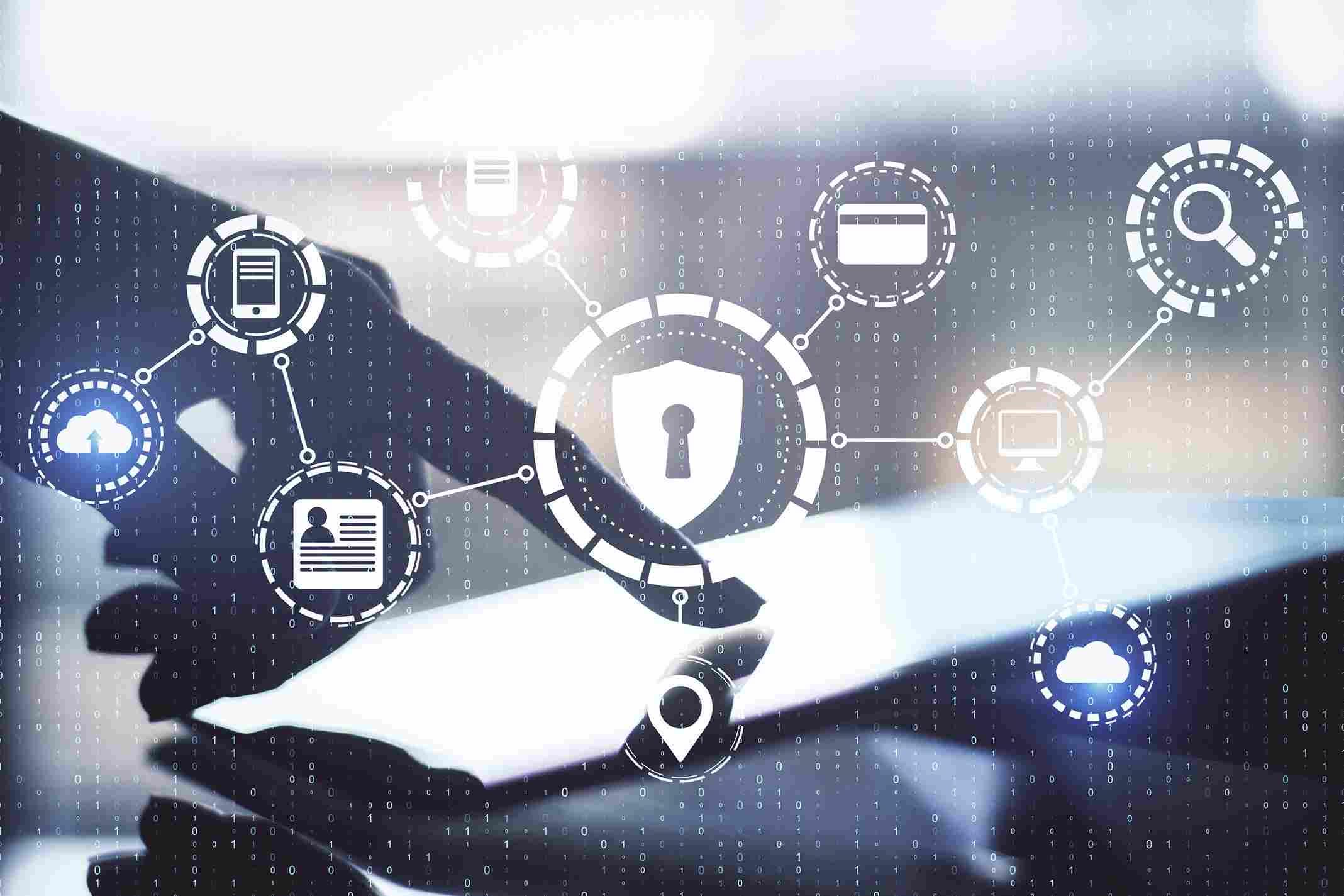
Cyber threats are no longer a problem exclusive to large corporations. From ransomware attacks on hospitals to phishing campaigns targeting small retail businesses, every connected device is a potential entry point for attackers. That's why enterprise endpoint protection has become one of the most critical pillars of modern cybersecurity and understanding it is the first step toward building a resilient defense.
Whether you're a startup with 10 employees or a mid-sized firm with distributed teams, your endpoints laptops, desktops, smartphones, tablets, and servers are always under threat. This blog breaks down what endpoint security really means, what solutions exist, and how to choose the right protection for your business.
What Is Enterprise Endpoint Protection?
Enterprise endpoint protection refers to a comprehensive set of security tools, policies, and services designed to secure every device that connects to a corporate network. Unlike traditional antivirus software, modern endpoint protection platforms (EPPs) offer layered defense mechanisms including threat detection, behavioral analysis, data loss prevention, and automated response.
Core Components of an Enterprise Endpoint Security Platform
-
Antivirus and anti-malware engines
-
Endpoint Detection and Response (EDR)
-
Data Loss Prevention (DLP)
-
Device control and application whitelisting
-
Behavioral analytics and AI-driven threat detection
-
Centralized management console
Why Endpoint Security Consultants Are Worth the Investment
Many businesses invest in endpoint security tools but fail to configure them correctly or don't know which tools they actually need. This is where endpoint security consultants come in.
Consultants bring specialized knowledge of the threat landscape, regulatory requirements, and industry-specific risks. They assess your existing infrastructure, identify vulnerabilities, and design a security architecture tailored to your operations, not a one-size-fits-all template.
What Endpoint Security Consultants Typically Do
-
Conduct gap analyses and risk assessments
-
Recommend and implement endpoint protection platforms
-
Configure security policies aligned with compliance standards (HIPAA, PCI-DSS, CMMC)
-
Train internal IT staff on incident response
-
Provide ongoing monitoring and reporting
For businesses without a dedicated security team, consultants serve as an extension of your IT department providing expertise that would otherwise be too costly to hire full-time.
Understanding Endpoint Data Protection Solutions
Endpoint data protection solutions are specifically designed to prevent unauthorized access, transfer, or destruction of sensitive data at the device level. Data is your most valuable asset and endpoints are where most data breaches originate.
Key Technologies Behind Endpoint Data Protection
-
Data Loss Prevention (DLP): Monitors and restricts the movement of sensitive data across devices and networks
-
Encryption: Ensures data is unreadable if a device is lost or stolen
-
Backup and recovery tools: Protect against ransomware by maintaining clean restore points
-
Access controls: Limit what data each user or device can access
The right endpoint data protection solution doesn't just block threats, it also gives your team visibility into how data flows across your environment, making it easier to identify suspicious behavior before it becomes a breach.
How to Evaluate an Endpoint Protection Service
Choosing the right endpoint protection service can be overwhelming given the number of vendors on the market. Here's a straightforward framework to help you evaluate your options:
1. Coverage Across All Device Types
Your protection should extend to Windows, macOS, Linux, iOS, and Android because attackers don't discriminate by operating system.
2. Detection and Response Speed
Look for solutions with low mean-time-to-detect (MTTD) and mean-time-to-respond (MTTR). Faster detection limits the damage an attacker can cause.
3. Integration With Existing Tools
A good endpoint protection service should integrate with your SIEM, identity management systems, and cloud platforms not operate in a silo.
4. Compliance Support
If your business operates in healthcare, finance, or government contracting, ensure the service supports relevant compliance frameworks and generates audit-ready reports.
5. Ease of Management
A centralized dashboard that gives your IT team full visibility across all endpoints reduces alert fatigue and accelerates response times.
Best Endpoint Protection for Small Business: What to Know
Small businesses are increasingly targeted because attackers know they often lack the security budgets of large enterprises. Fortunately, the best endpoint protection for small business doesn't have to break the bank.
What Small Businesses Should Prioritize
-
Cloud-based management: No expensive on-premise infrastructure required
-
Lightweight agents: Security that doesn't slow down employee devices
-
Affordable licensing: Per-device or per-user pricing that scales with your team
-
Automated threat response: Reduces the burden on small IT teams
-
Strong vendor support: 24/7 access to help when something goes wrong
Many small business owners assume endpoint protection is something only enterprises need. In reality, a single ransomware attack can cost a small business tens of thousands of dollars in downtime, data recovery, and reputational damage.
The Role of Multifactor Authentication in Endpoint Security
One of the most effective and often underutilized layers of endpoint security is multifactor authentication. Even a well-configured multifactor authentication solution can stop credential-based attacks, which account for over 80% of all data breaches.
By requiring users to verify their identity through a second factor such as a mobile app, hardware token, or biometric MFA dramatically reduces the risk of unauthorized access even if a password is compromised.
When integrated with your endpoint protection service, MFA ensures that only verified, authorized users can access sensitive systems and data adding a critical layer of defense at the login level.
Conclusion
Enterprise endpoint protection is no longer optional; it's a business necessity. Whether you're addressing data security for a distributed workforce, meeting compliance requirements, or simply trying to stay one step ahead of attackers, a layered approach to endpoint security is your strongest defense.
If you're looking for a trusted cybersecurity partner, FortnexShield delivers enterprise-grade endpoint protection tailored to businesses of all sizes across the United States. From advanced endpoint protection solutions to seamlessly integrated multifactor authentication, FortnexShield equips your organization with the tools and expertise needed to defend against today's most sophisticated threats.
Frequently Asked Questions (FAQs)
Q1: What is the difference between antivirus software and enterprise endpoint protection?
Traditional antivirus software uses signature-based detection to identify known malware. Enterprise endpoint protection platforms go much further incorporating behavioral analytics, AI-driven threat detection, endpoint detection and response (EDR), data loss prevention, and centralized management across all devices. EPPs are built for scale, complexity, and the evolving threat landscape that modern businesses face.
Q2: How do I know if my small business needs an endpoint protection service?
If your business handles any customer data, financial information, or proprietary records and has employees using laptops, mobile devices, or remote access you need an endpoint protection service. The size of your company is irrelevant to cybercriminals. Small businesses are frequently targeted precisely because they're perceived as having weaker defenses. A managed endpoint protection service levels the playing field without requiring a large in-house security team.
Q3: What should I ask endpoint security consultants before hiring them?
Before engaging endpoint security consultants, ask about their experience with businesses in your industry, their familiarity with compliance frameworks relevant to your operations (HIPAA, PCI-DSS, NIST), the specific tools and platforms they recommend and why, and how they measure the success of their engagements. Also ask whether they provide ongoing support or only one-time assessments ongoing relationships typically deliver better long-term security outcomes.

 Arabic
 Français
 Español
 Português
 Deutsch
 Türkçe
 Dutch
Dutch
 Italiano
 Russian
 Romaian