


7 Essential Tips for Repairing Brother Sewing Machines
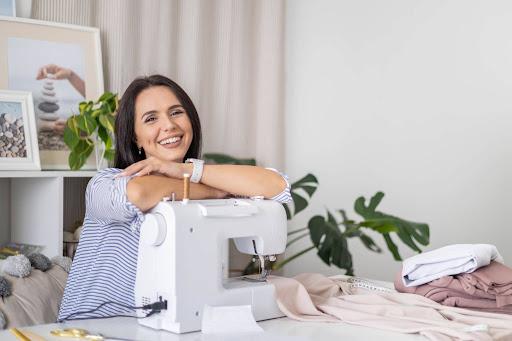
To repair our Brother sewing machines effectively, we should start by spotting common problems like thread bunching and needle issues. Next, let’s make certain we thread the machine properly and maintain the bobbin for smooth operation. Choosing the right needle for our fabric is essential too. Regular cleaning keeps everything running well, and we need to lubricate and adjust tension for peak performance. If issues persist, it might be time to call a professional. There’s more we can explore!
Spot Common Problems Before You Start Repairing
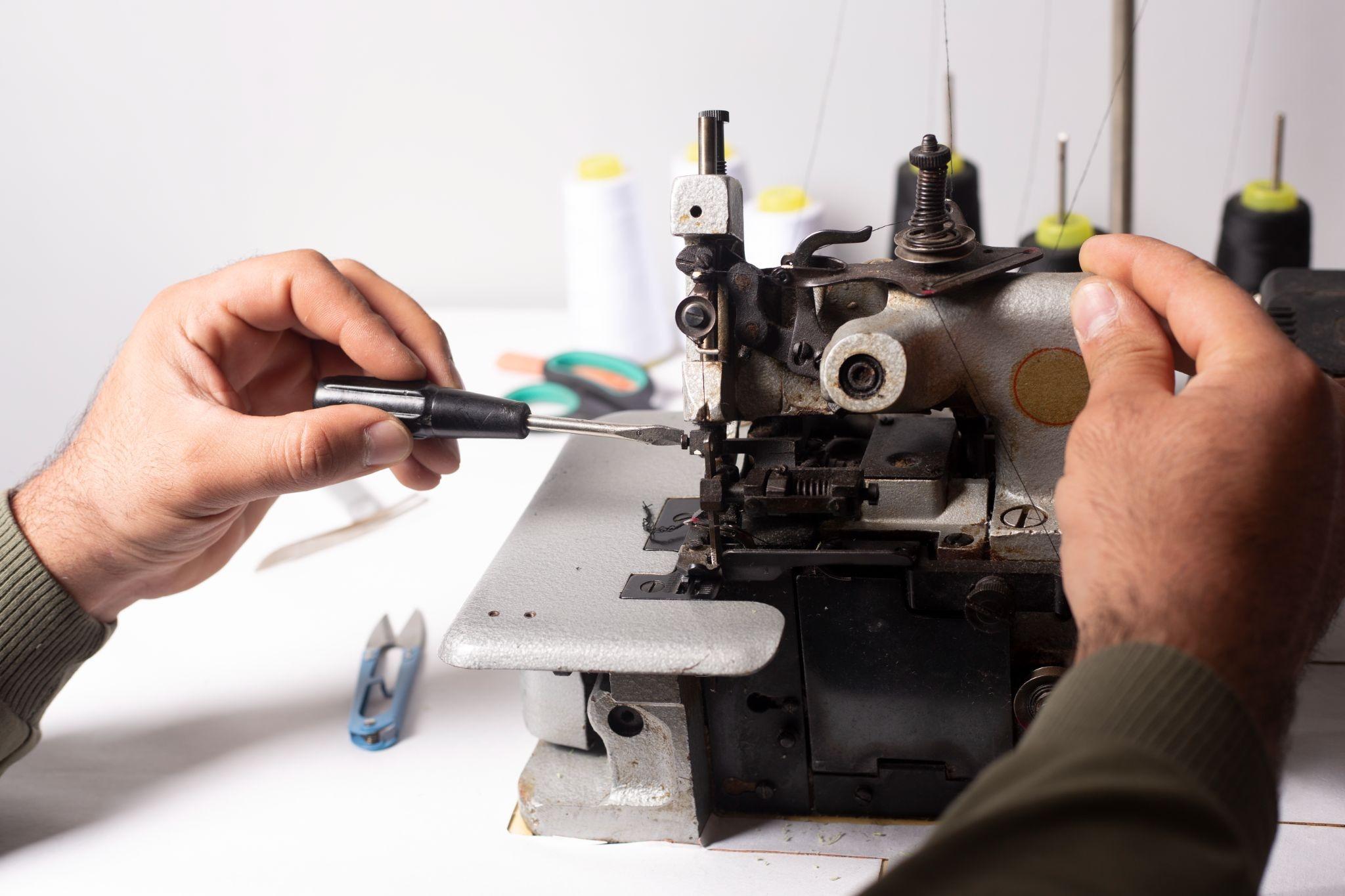
When we plunge into repairing Brother sewing machines, spotting common problems upfront can save us time and frustration.
First, let’s check for bobbin issues, as they often cause thread breaking or bunching. We should inspect the needles, too; bent or broken needles can lead to uneven stitches.
If the fabric isn’t feeding properly, we might need to adjust the feed dogs or tension settings. Sometimes, the machine may stop running altogether, indicating a deeper issue that requires our attention.
Properly Thread Your Brother Sewing Machine
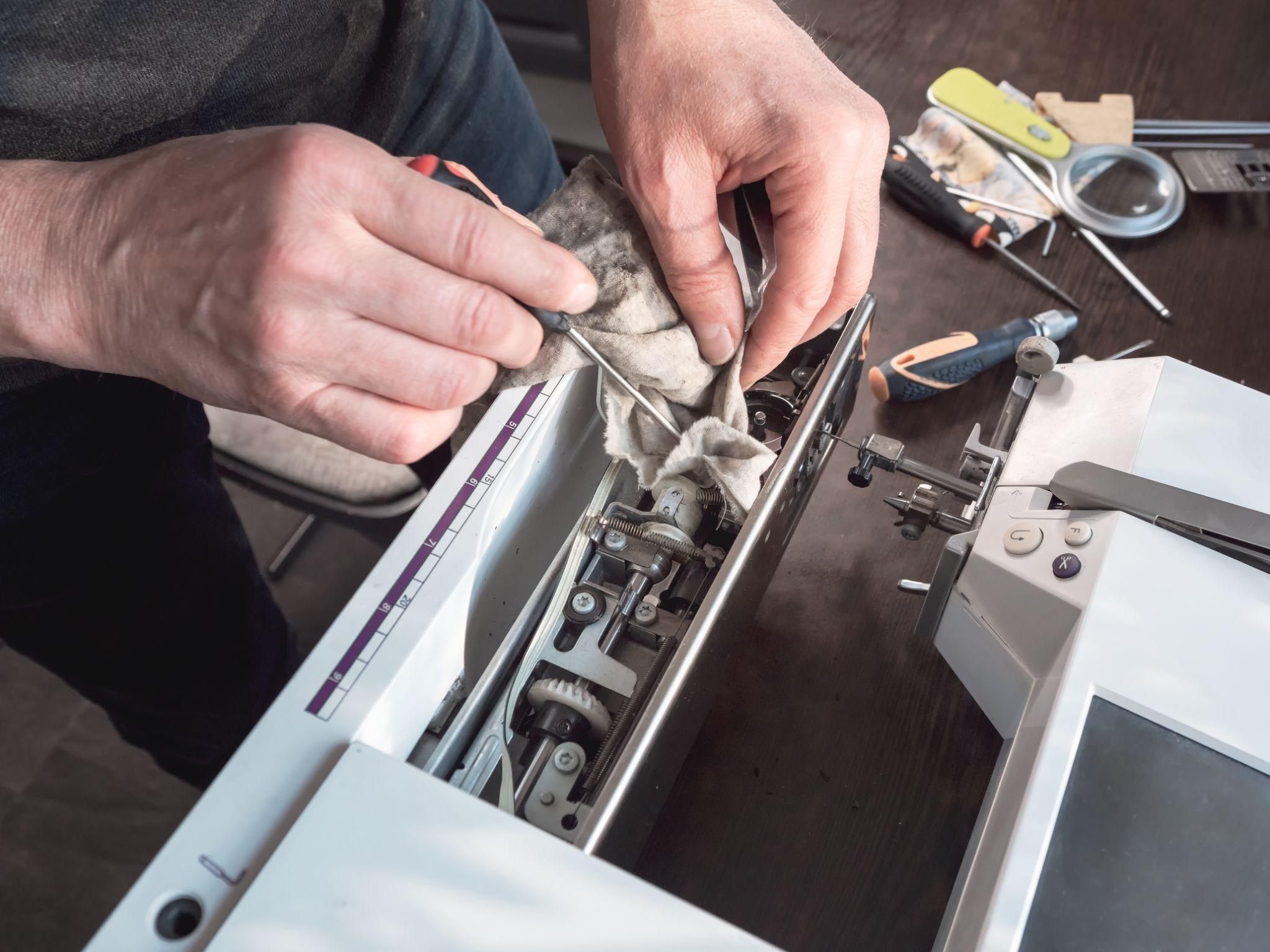
Identifying common problems is just the first step; properly threading our Brother sewing machine is next.
To start, we’ll make sure the presser foot is raised to allow the thread to pass through smoothly. We then guide the thread through the upper tension mechanism, ensuring it clicks into place.
Next, we’ll thread the needle from front to back, using the needle threader if needed. It’s essential to pull about six inches of thread through the needle to avoid breakage.
Finally, we’ll check the bobbin placement, ensuring it’s inserted correctly in its case.
Maintain Your Bobbin for Smooth Operation
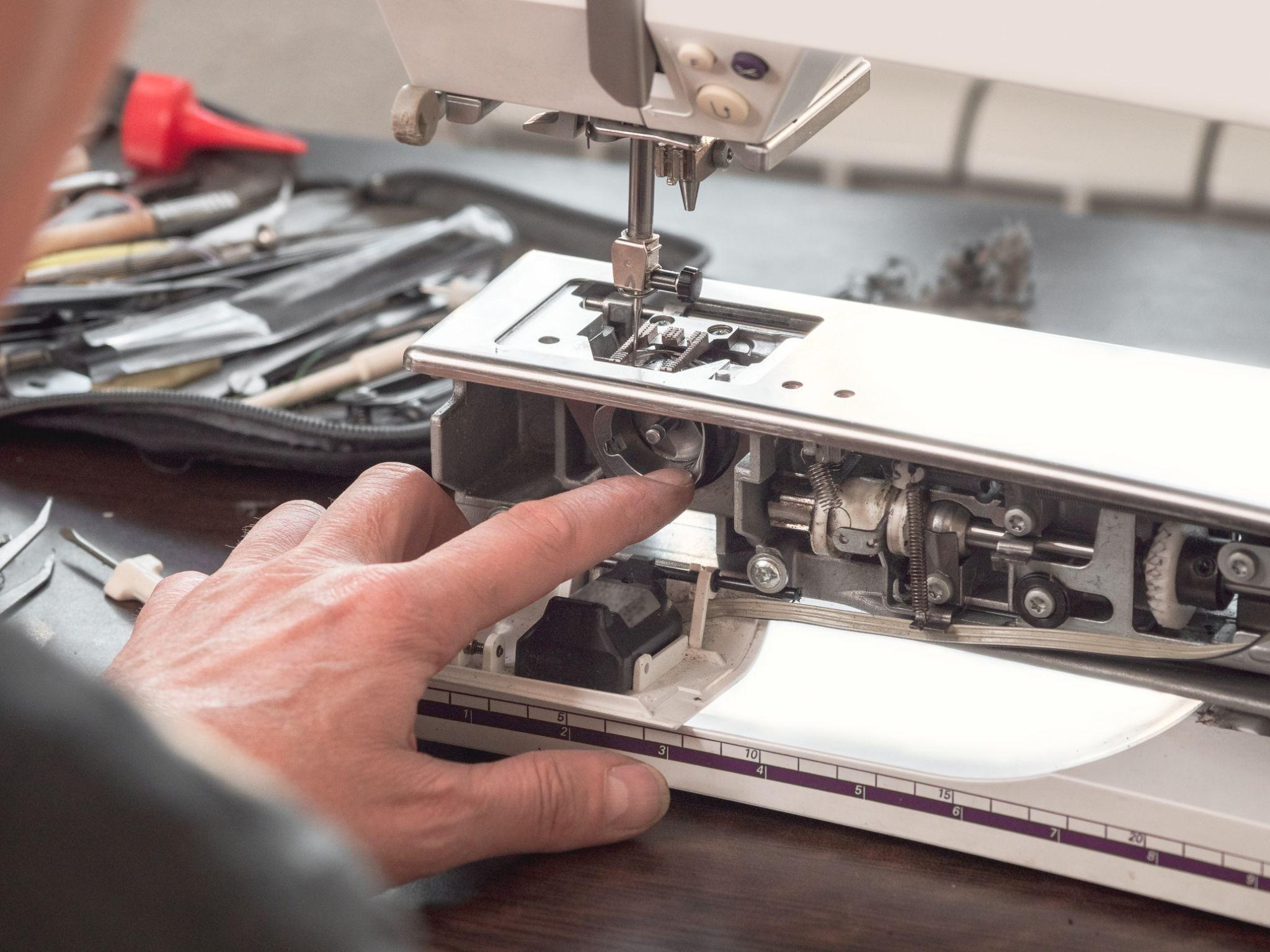
Maintaining your bobbin is essential for guaranteeing smooth operation of your Brother sewing machine. A clean and properly wound bobbin contributes to consistent stitching and prevents frustrating issues like thread bunching or breaking.
We should regularly check for lint or debris buildup in the bobbin case, as this can disrupt the machine’s performance. When winding the bobbin, let’s make sure the thread is evenly distributed, preventing uneven tension.
Additionally, we must use the correct bobbin for our specific machine model, as incorrect ones can lead to complications. By taking these simple steps, we can enhance our sewing experience and prolong the life of our machine.
A little maintenance goes a long way in keeping our projects on track!
Choose the Right Needle for Your Fabric
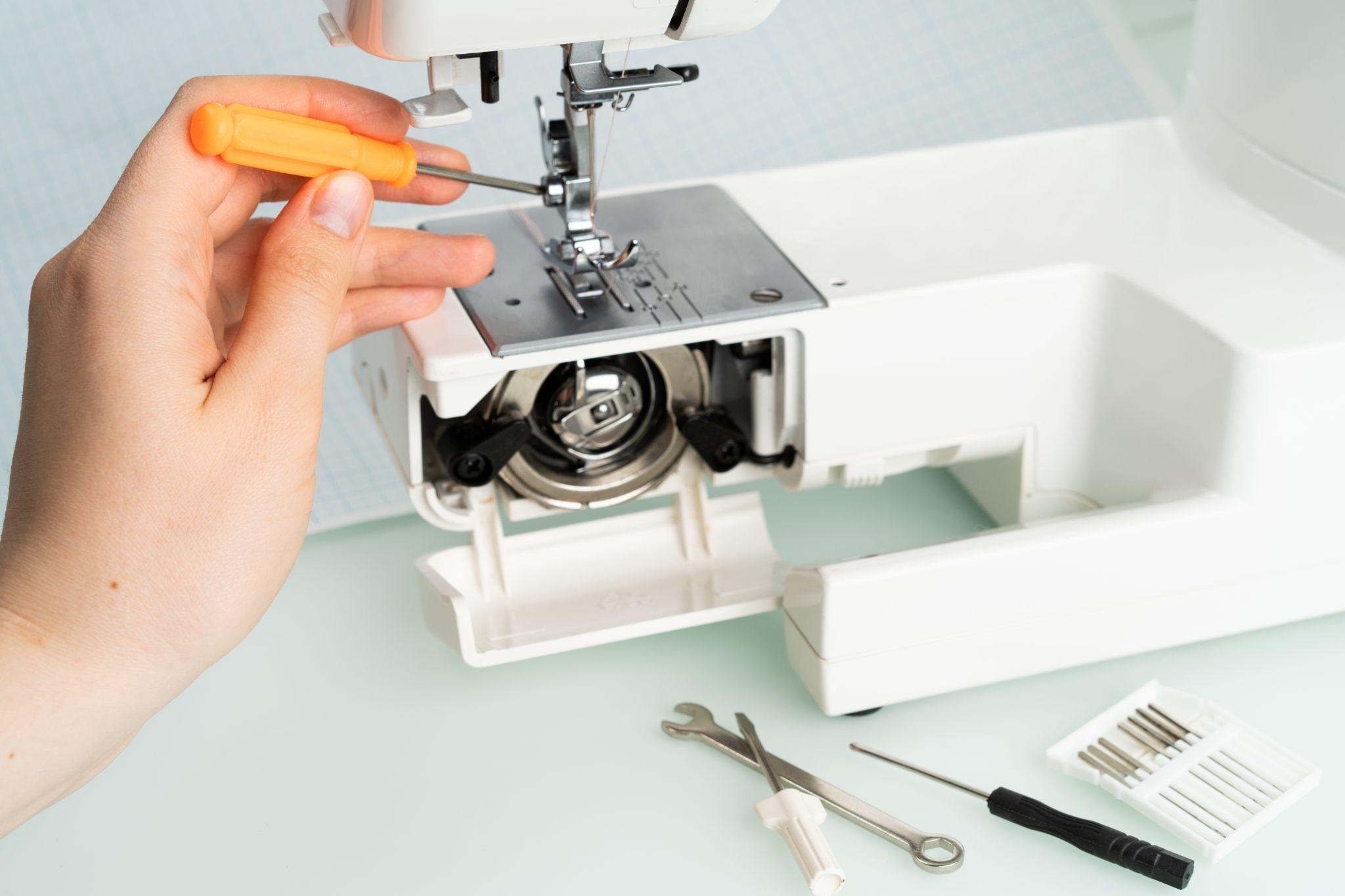
How do we guarantee our sewing projects turn out perfectly? One vital step is choosing the right needle for our fabric. Different fabrics require specific needle types to secure smooth stitching and prevent issues like skipped stitches or fabric damage.
For example, a universal needle works well for woven fabrics, while a ballpoint needle is ideal for knits. If we're working with delicate fabrics, a fine needle is essential to avoid snags.
We should also consider needle size; larger needles are better for thicker fabrics, while smaller needles suit lighter materials. By selecting the appropriate needle, we not only enhance our sewing experience but also achieve professional-looking results every time.
Let's make every stitch count!
Regular Cleaning for Longevity
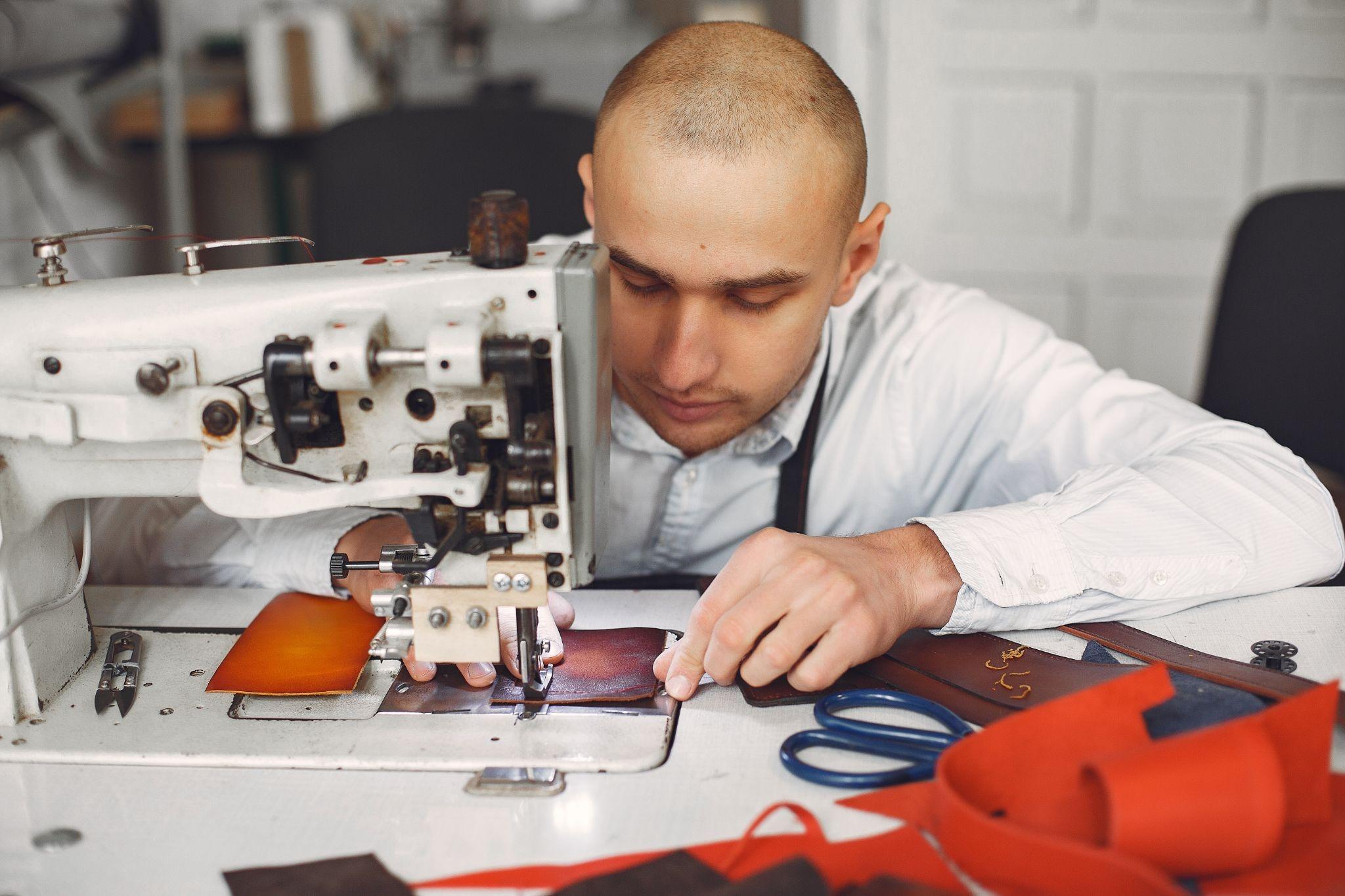
While we often focus on the excitement of sewing projects, regular cleaning is essential for keeping our machines running smoothly and extending their lifespan.
To guarantee our Brother sewing machines stay in top shape, we should adopt a routine cleaning practice. Here are four key steps:
-
Remove Lint and Debris: Regularly clean the feed dogs and bobbin area to prevent buildup that affects performance.
-
Change Needles: Replace needles frequently to avoid issues like skipped stitches or fabric snags.
-
Clean the Exterior: Wipe down the machine's surface with a soft cloth to keep it looking good.
-
Check for Thread Bunching: Inspect for any thread nests and resolve them immediately to avoid larger issues.
How to Properly Lubricate and Adjust Tension
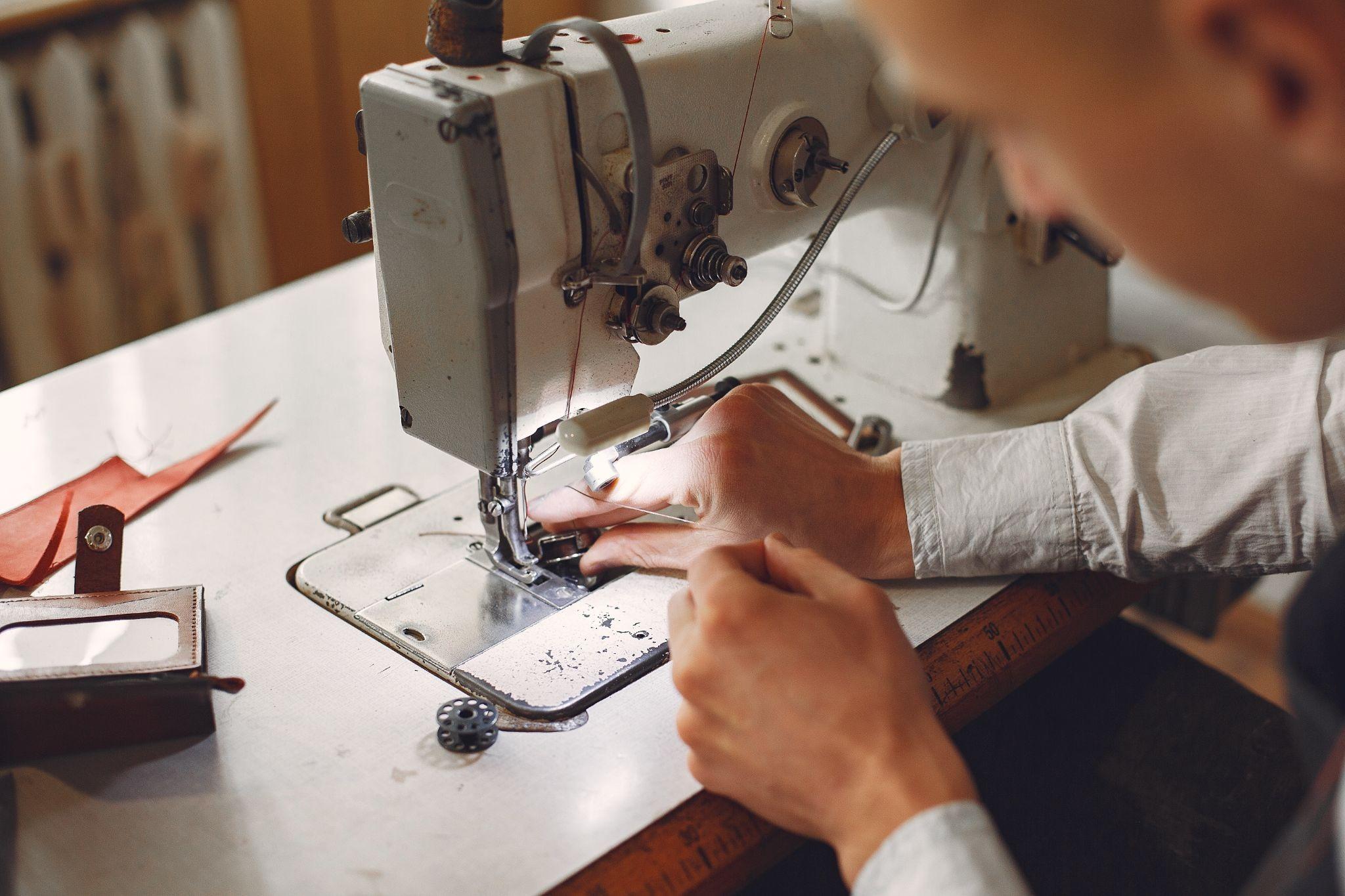
Keeping our Brother sewing machines clean sets the stage for proper lubrication and tension adjustments, which are vital for peak performance.
First, we should regularly oil the moving parts to guarantee smooth operation and prevent wear. It’s important to use the right type of sewing machine oil-never household oils-so we maintain our machine’s integrity.
Next, adjusting the tension is key for perfect stitches. We can do this by testing our stitch quality on scrap fabric, gradually adjusting the tension dial until it feels just right.
If we notice skipped or uneven stitches, it’s a sign we need to revisit these adjustments. By incorporating these simple steps into our routine, we keep our machines running smoothly and efficiently.
When to Call a Professional for Help
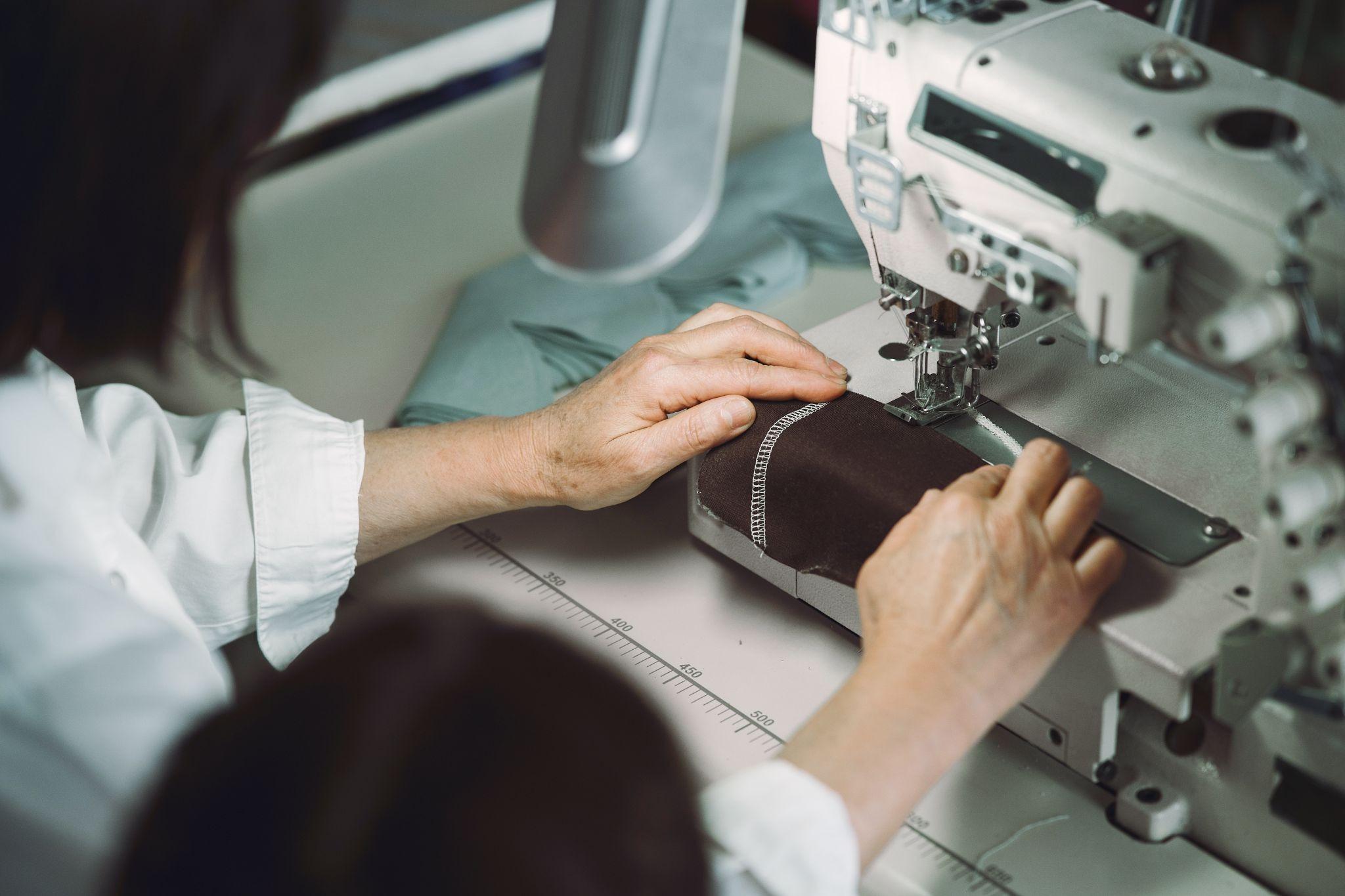
When should we call in a professional for our Brother sewing machines? It’s essential to recognize the signs that indicate our machines need expert attention.
Here are four key situations to watch for:
-
Skipped Stitches: If we notice our machine is consistently skipping stitches, it might need a needle timing adjustment.
-
Thread Bunching: When threads are gathering underneath the fabric, it’s likely a tension or bobbin issue.
-
Noisy Operation: A machine that sounds unusually loud may lack proper lubrication and needs servicing.
-
Delayed Response: If our machine feels sluggish or slow, it’s time for a thorough check-up.
Frequently Asked Questions
How Can I Identify if My Machine Needs Repair?
We can identify if our machine needs repair by watching for issues like skipped stitches, thread bunching, or strange noises. If we notice these signs, it’s time to get our sewing machine checked out.
What Tools Are Essential for Basic Sewing Machine Repairs?
For basic sewing machine repairs, we need essential tools like a screwdriver set, seam ripper, tweezers, spare needles, and thread. Having these handy makes our repair process smoother and more efficient, ensuring our machines run well.
Are There Specific Troubleshooting Steps for Common Thread Issues?
Yes, we can troubleshoot common thread issues by checking the needle, ensuring correct threading, adjusting tension, and using the right thread type. Let's systematically address each element for smoother sewing experiences together!
How Do I Know When to Replace My Sewing Machine?
It’s evident it’s time to replace our sewing machine when it frequently breaks down, struggles with basic tasks, or costs more to repair than a new model. Let's prioritize efficiency and creativity in our sewing journey!
Can I Repair My Brother Sewing Machine Myself Safely?
Yes, we can safely repair our Brother sewing machines ourselves, but we should guarantee we have the right tools and knowledge. If unsure, it’s wise to consult professionals for complex issues to avoid further damage.
Conclusion
To sum up, keeping your Brother sewing machine in top shape is all about being proactive and informed. By spotting common problems, threading correctly, and maintaining your machine, you can enjoy a smoother sewing experience. Regular cleaning and proper lubrication are key to longevity, but don't hesitate to reach out for professional help when needed. With these tips, we can all tackle sewing challenges confidently and get back to what we love-creating beautiful projects!
Note: Choosing the right vacuum cleaner is essential for maintaining a clean and healthy home. At Gator Vacuum, we carry a wide range of vacuum cleaners including upright, canister, cordless, bagged, and bagless models to fit every budget and cleaning preference.
Whether you need a vacuum for pet hair, hardwood floors, carpets, or commercial spaces, our collection includes trusted and high-performance options to help you clean with confidence.
Visit Gator Vacuum today and discover reliable vacuum solutions for every home.

 English
 Arabic
 Français
 Español
 Deutsch
 Türkçe
 Dutch
Dutch
 Italiano
 Russian
 Romaian