


When Endoscopy Is Recommended for Digestive Problems
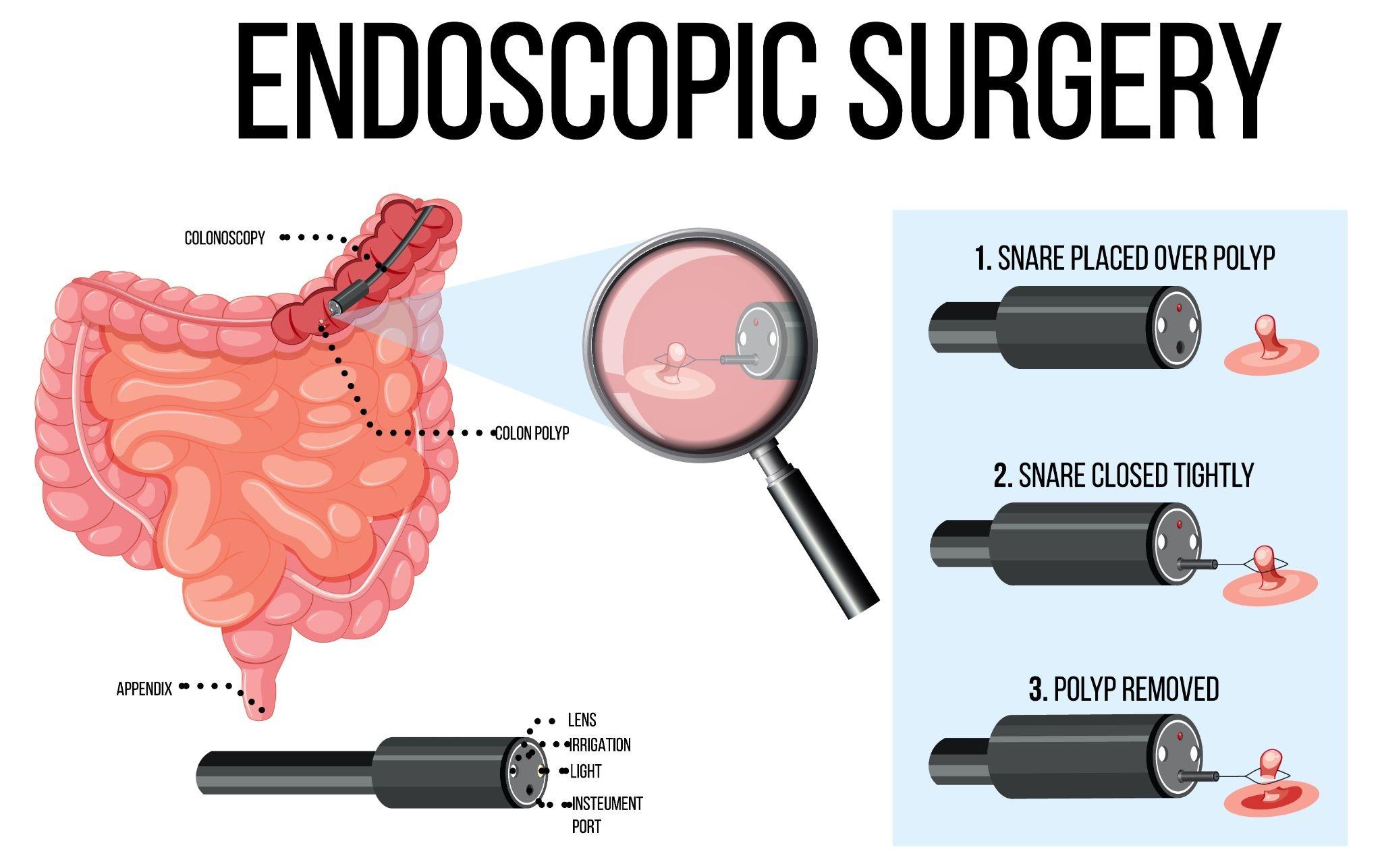
Digestive problems are becoming increasingly common due to unhealthy eating habits, stress, irregular sleep, and lifestyle changes. While occasional stomach discomfort may not seem serious, persistent digestive symptoms should never be ignored. In many cases, doctors recommend an endoscopy to identify the exact cause of the problem and begin the right treatment at the right time.
People searching online for a gastroenterologist in surat or a trusted stomach hospital near me are often advised to undergo an endoscopy when symptoms continue for weeks or become severe.
Endoscopy is a safe and commonly performed procedure that helps doctors examine the digestive tract in detail. It plays a major role in diagnosing stomach disorders, acid reflux, ulcers, liver-related complications, and other gastrointestinal conditions.
What Is an Endoscopy?
An endoscopy is a medical procedure that allows doctors to examine the inside of the digestive system using a thin flexible tube called an endoscope. The tube contains a small camera and light that provide clear images of the digestive tract.
The procedure is commonly used to examine:
-
Food pipe (esophagus)
-
Stomach
-
Small intestine
-
Upper digestive tract
It helps specialists detect inflammation, ulcers, infections, bleeding, and other digestive abnormalities.
Common Symptoms That May Require an Endoscopy
Doctors usually recommend endoscopy when digestive symptoms persist despite medication or lifestyle changes.
Common warning signs include:
-
Frequent acidity or acid reflux
-
Persistent stomach pain
-
Difficulty swallowing
-
Continuous bloating
-
Nausea or vomiting
-
Blood in vomit or stool
-
Unexplained weight loss
-
Constant indigestion
-
Burning sensation in the chest
-
Loss of appetite
If these symptoms continue for a long time, consulting a gastroenterologist near surat can help determine whether an endoscopy is necessary.
Why Endoscopy Is Important for Digestive Health
Many digestive conditions may look similar from the outside, but their causes can be very different. Endoscopy helps doctors identify the exact problem instead of relying only on symptoms.
Benefits of endoscopy include:
-
Accurate diagnosis of digestive disorders
-
Early detection of ulcers and infections
-
Identification of internal bleeding
-
Detection of inflammation or tissue damage
-
Evaluation of chronic acid reflux
-
Monitoring liver-related digestive complications
Patients experiencing liver-related digestive symptoms may also be referred to a dr liver specialist for further evaluation.
Conditions Diagnosed Through Endoscopy
Endoscopy is widely used to diagnose several gastrointestinal conditions that affect daily life and long-term health.
1. Acid Reflux and GERD
People with chronic acidity often experience damage to the food pipe due to repeated acid exposure.
Symptoms may include:
-
Chest burning
-
Sour taste in the mouth
-
Difficulty swallowing
-
Night-time acidity
Endoscopy helps identify inflammation and complications caused by GERD.
2. Stomach Ulcers
Stomach ulcers are open sores that develop in the stomach lining because of excess acid, infections, or prolonged medication use.
Signs of ulcers include:
-
Burning stomach pain
-
Nausea
-
Vomiting
-
Loss of appetite
-
Black stools
Early diagnosis through endoscopy helps prevent severe complications.
3. Gastritis
Gastritis refers to inflammation of the stomach lining. It can develop because of stress, unhealthy eating habits, alcohol use, or bacterial infections.
Common symptoms include:
-
Bloating
-
Indigestion
-
Upper stomach pain
-
Acid reflux
Endoscopy helps doctors evaluate the severity of inflammation and begin suitable treatment.
4. Liver-Related Digestive Issues
Certain liver conditions can affect digestion and cause symptoms such as swelling, vomiting blood, and stomach discomfort.
A dr liver specialist may recommend endoscopy to check for:
-
Enlarged veins in the food pipe
-
Internal bleeding
-
Digestive complications linked to liver disease
This is especially important in advanced liver disorders.
5. Unexplained Bleeding
Internal digestive bleeding is not always visible but can become dangerous if ignored.
Warning signs include:
-
Blood in stool
-
Vomiting blood
-
Black-colored stool
-
Weakness or dizziness
Endoscopy helps locate the exact source of bleeding and allows early treatment.
What Happens During the Procedure?
Many patients feel nervous before an endoscopy, but the procedure is usually simple and painless.
During the procedure:
-
The patient is asked to fast for several hours
-
A mild sedative may be given for comfort
-
The endoscope is inserted through the mouth
-
Images are viewed on a monitor in real time
-
The procedure usually takes 15–30 minutes
Most patients return home the same day after observation.
When Should You Not Ignore Digestive Symptoms?
Occasional digestive discomfort is common, but recurring symptoms may indicate a serious underlying condition.
You should seek medical advice if you experience:
-
Acidity lasting for several weeks
-
Difficulty swallowing food
-
Severe stomach pain
-
Frequent vomiting
-
Sudden weight loss
-
Blood in stool or vomit
-
Chronic bloating and indigestion
Many patients searching for a reliable stomach hospital near me often delay treatment until symptoms worsen. Early diagnosis can help avoid complications and improve recovery.
Tips to Maintain Better Digestive Health
Healthy habits can reduce the risk of digestive disorders and improve overall gut health.
Simple preventive steps include:
-
Eat meals on time
-
Avoid overeating
-
Reduce spicy and oily foods
-
Drink enough water
-
Avoid smoking and excessive alcohol
-
Maintain healthy sleep patterns
-
Exercise regularly
-
Manage stress effectively
These lifestyle changes support better digestion and may reduce the need for advanced treatment.
Conclusion
Endoscopy is one of the most effective tools for diagnosing digestive disorders early and accurately. Persistent acidity, stomach pain, bloating, or swallowing difficulties should never be ignored, especially when symptoms continue despite medication.
The procedure helps doctors identify ulcers, inflammation, infections, bleeding, and liver-related digestive complications before they become severe. Consulting an experienced gastroenterologist in surat or seeking treatment from a trusted stomach hospital near me can help ensure timely diagnosis and proper care.
Taking digestive symptoms seriously today can prevent major health complications in the future.
Frequently Asked Questions (FAQ)
Is endoscopy painful?
Endoscopy is generally not painful. Most patients receive mild sedation, which helps them stay relaxed and comfortable during the procedure.
How long does an endoscopy take?
The procedure usually takes around 15 to 30 minutes, depending on the condition being evaluated.
Why do doctors recommend endoscopy for acidity?
Doctors recommend endoscopy when acidity becomes chronic or does not improve with medication. It helps identify ulcers, inflammation, or acid reflux damage.
Can endoscopy detect liver-related digestive problems?
Yes. In some cases, a dr liver specialist may recommend endoscopy to evaluate digestive complications caused by liver disease.
When should I visit a digestive specialist?
If symptoms such as bloating, stomach pain, acid reflux, vomiting, or swallowing difficulty continue for several weeks, consulting a gastroenterologist near surat is recommended.

 English
 Arabic
 Français
 Español
 Português
 Deutsch
 Türkçe
 Dutch
Dutch
 Italiano
 Russian