


Comprehensive Guide to Poppy Powder: Benefits & Uses
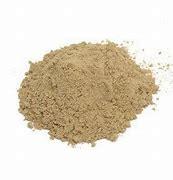
Comprehensive Guide to Poppy Powder: Benefits & Uses
Poppy powder, created by finely grinding nutrient-dense poppy seeds, offers a rich blend of essential vitamins, antioxidants, and culinary versatility. This comprehensive guide details the specific health advantages of poppy powder, including its ability to support digestion, enhance skin and hair health, and provide mild pain relief. Readers will discover actionable ways to incorporate poppy powder into daily meals, spanning from sweet baked goods to savory dressings, to maximize nutritional intake.
Key Takeaways
- Poppy powder provides a dense source of dietary fiber, calcium, iron, and antioxidants to support overall bodily function and bone health.
- The high fiber content in poppy powder significantly improves digestion and helps maintain a healthy gut microbiome.
- Natural alkaloids and anti-inflammatory compounds found in poppy powder offer mild pain relief and reduce bodily inflammation.
- Poppy powder serves as a highly versatile culinary ingredient, acting as a natural thickener and flavor enhancer in both sweet pastries and savory dishes.
- Integrating poppy powder into a daily diet is simple and effective through smoothies, oatmeal, and homemade dressings.
What is the nutritional profile of poppy powder?
Poppy powder features a robust nutritional profile characterized by high levels of dietary fiber, essential minerals, and powerful antioxidants. A single tablespoon of poppy powder contains significant amounts of calcium, iron, magnesium, and zinc. These minerals play vital roles in maintaining bone density, supporting oxygen transport in the blood, and boosting immune system function.
Additionally, poppy powder is rich in oleic and linoleic acids. These healthy monounsaturated and polyunsaturated fats support cardiovascular health by helping to regulate cholesterol levels. The antioxidant content, particularly polyphenols, protects the body's cells from oxidative stress and environmental damage.
Below is a breakdown of the primary nutritional components found in a standard two-tablespoon serving of poppy powder:
|
Nutrient |
Approximate Amount |
Primary Benefit |
|---|---|---|
|
Calories |
90 kcal |
Provides sustained cellular energy |
|
Dietary Fiber |
3.5 grams |
Supports healthy digestion and bowel regularity |
|
Calcium |
250 milligrams |
Strengthens bone density and dental health |
|
Iron |
1.8 milligrams |
Assists in red blood cell oxygen transport |
|
Magnesium |
65 milligrams |
Regulates muscle and nerve function |
What are the main health benefits of poppy powder?
The primary health benefits of poppy powder stem from its unique combination of fiber, minerals, and healthy fats. Regular consumption of poppy powder supports gastrointestinal function, enhances external tissue health, and regulates metabolic processes.
How does poppy powder improve digestion?
Poppy powder improves digestion by supplying the gastrointestinal tract with substantial amounts of insoluble fiber. Insoluble fiber adds bulk to stool, which helps food move smoothly through the stomach and intestines. This process effectively prevents constipation and promotes regular bowel movements. Furthermore, the fiber acts as a prebiotic, feeding beneficial gut bacteria and supporting a balanced digestive microbiome, which is essential for proper nutrient absorption.
How does poppy powder benefit skin and hair health?
Poppy powder benefits skin and hair health through its high concentration of linoleic acid, zinc, and antioxidants. Linoleic acid helps maintain the skin's natural moisture barrier, preventing dryness and flakiness. Zinc accelerates tissue repair and reduces skin inflammation, making poppy powder beneficial for managing conditions like acne or eczema. For hair, the rich nutrient profile stimulates blood circulation to the scalp, strengthens hair follicles, and helps reduce dandruff, resulting in stronger, shinier hair over time.
Does poppy powder offer pain relief and anti-inflammatory benefits?
Yes, poppy powder provides mild pain relief and significant anti-inflammatory benefits. Poppy seeds naturally contain trace amounts of opium alkaloids, such as morphine and codeine. While the grinding and processing of poppy powder heavily reduces these compounds to safe, non-intoxicating levels, the residual amounts help soothe nervous system irritability and provide mild analgesic effects.
Beyond alkaloids, the zinc and omega-6 fatty acids in poppy powder actively reduce inflammation at the cellular level. Reducing systemic inflammation helps alleviate joint stiffness, muscular pain, and swelling. Individuals suffering from minor inflammatory conditions often find that adding poppy powder to their diet helps manage daily discomfort naturally.
What are the best culinary uses for poppy powder?
The best culinary uses for poppy powder involve leveraging its rich, nutty flavor and natural thickening properties in both sweet and savory applications. Because the seeds are already ground, poppy powder disperses evenly into batters and liquids, making it incredibly easy to work with in the kitchen.
How is poppy powder used in sweet pastries?
Poppy powder is heavily used in sweet pastries to add dense texture, moisture, and earthy flavor profiles. Bakers frequently use poppy powder as a primary filling for traditional European desserts like makowiec (Polish poppy seed roll) or hamantaschen. To create a sweet filling, chefs simmer poppy powder with milk, honey, butter, and vanilla until it forms a thick, rich paste. Additionally, baking enthusiasts mix dry poppy powder directly into muffin batters, lemon loaf cakes, and pancake mixes to enhance the nutritional value without compromising the sweet taste.
How is poppy powder used in savory dressings and dishes?
In savory dishes, poppy powder functions as a robust flavor enhancer and an excellent emulsifier. Cooks blend poppy powder into vinaigrettes and creamy salad dressings, where the powder helps bind the oil and vinegar together while adding a satisfying crunch and nutty undertone. Poppy powder also serves as a fantastic crust for baked proteins. Chefs often coat chicken, salmon, or tofu in a mixture of poppy powder, garlic powder, and sea salt before baking, creating a savory, nutrient-dense exterior.
How can you incorporate poppy powder into your daily diet?
You can easily incorporate poppy powder into your daily diet by adding small quantities to your standard meals and beverages. Begin by measuring out one to two tablespoons of poppy powder to ensure you receive a solid nutritional boost.
Here are the most effective ways to integrate poppy powder into everyday meals:
- Breakfast bowls: Stir one tablespoon of poppy powder into hot oatmeal, yogurt parfaits, or overnight oats.
- Smoothies: Blend poppy powder into fruit or protein smoothies. The powder thickens the beverage and adds hidden fiber.
- Salad dressings: Whisk a teaspoon of poppy powder into homemade mustard vinaigrettes or lemon-tahini dressings.
- Garnishes: Sprinkle raw poppy powder over roasted vegetables, avocado toast, or hummus for a crunchy texture and nutty flavor.
Frequently Asked Questions (FAQ) about poppy powder
Is poppy powder safe to consume every day?
Yes, consuming poppy powder daily in moderate amounts (typically one to two tablespoons) is entirely safe for most people. It provides a healthy dose of daily fiber and essential minerals without adverse effects.
Will eating poppy powder cause a positive drug test?
Eating large quantities of poppy powder can sometimes cause a false-positive result on highly sensitive drug tests due to trace amounts of natural alkaloids. If you are subject to regular drug screening for employment or medical reasons, you should consult a healthcare provider before consuming poppy powder.
Does poppy powder go bad?
Yes, poppy powder can go bad. Because poppy powder contains high amounts of natural oils, it is susceptible to rancidity if exposed to heat and light. You should store poppy powder in an airtight container in the refrigerator or freezer to extend its shelf life up to six months.
Can poppy powder be used as a substitute for whole poppy seeds?
Yes, you can substitute poppy powder for whole poppy seeds in most recipes. However, because the powder is denser, you should use slightly less powder than the amount of whole seeds called for to prevent the texture of your dish from becoming too heavy.
Maximizing the Value of Poppy Powder in Your Wellness Routine
Poppy powder stands out as a highly effective, accessible superfood that bridges the gap between culinary enjoyment and holistic health. By understanding the distinct nutritional profile of poppy powder, individuals can actively combat digestive issues, improve skin vitality, and naturally manage minor inflammation. Whether folded into a sweet pastry filling or whisked into a savory salad dressing, poppy powder offers a simple, delicious pathway toward better daily nutrition. Evaluate your current diet to find simple opportunities to add this nutrient-dense ingredient, and begin experiencing the health advantages of poppy powder today.

 English
 Français
 Español
 Português
 Deutsch
 Türkçe
 Dutch
Dutch
 Italiano
 Russian
 Romaian