


API Sprawl and the Invisible Attack Surface
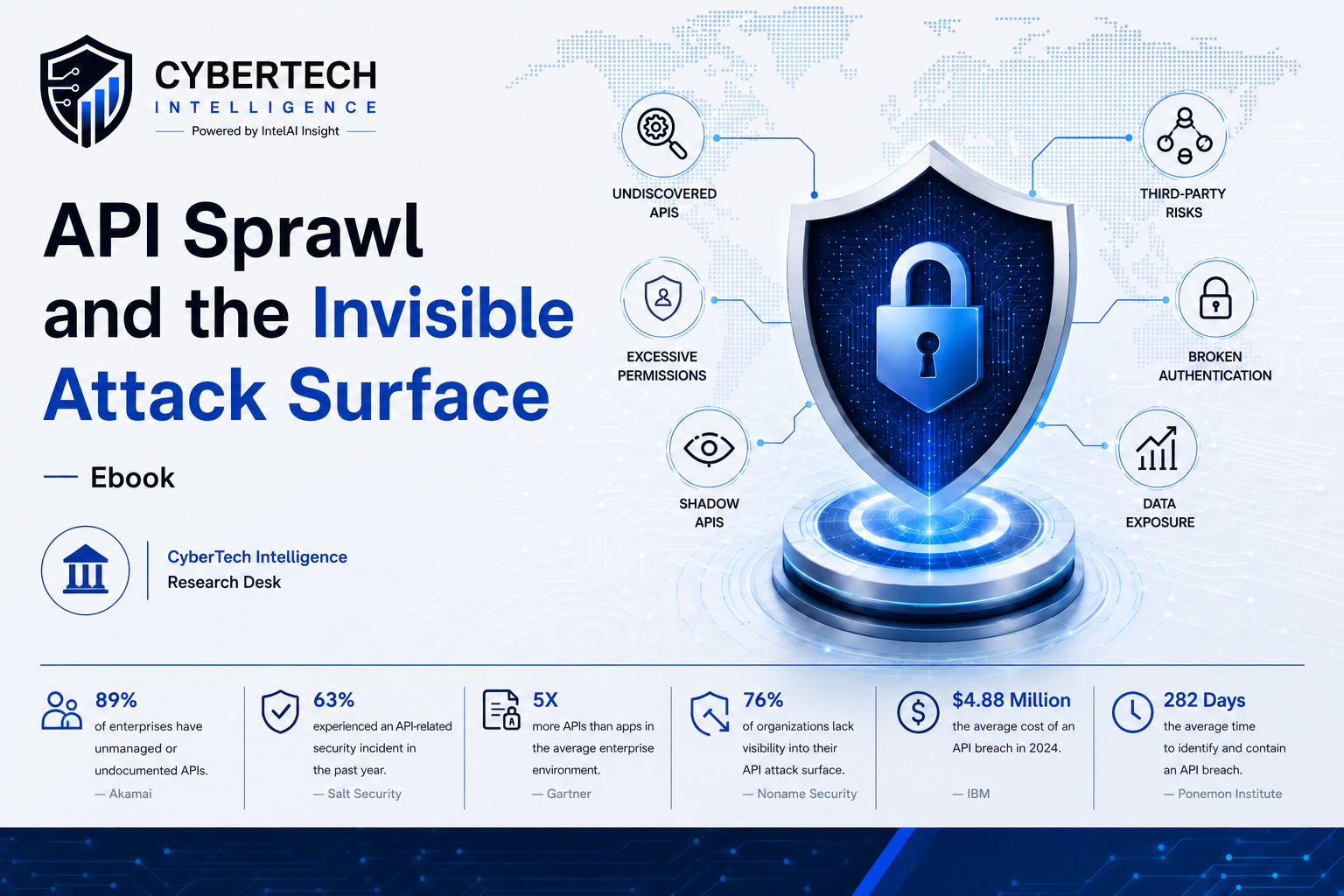
Modern enterprises are becoming increasingly dependent on APIs to power digital transformation, cloud-native applications, third-party integrations, and AI-driven services. While APIs accelerate innovation and operational efficiency, they also introduce a growing cybersecurity concern: API sprawl.
As organizations rapidly deploy APIs across multi-cloud and hybrid environments, many lose visibility into what exists, who has access, and where vulnerabilities may be hiding. The result is an expanding invisible attack surface - one that cybercriminals are increasingly exploiting.
For CISOs, security architects, and DevSecOps leaders, managing API risk is no longer optional. It has become a foundational component of enterprise cyber resilience.
Understanding API Sprawl in Modern Enterprises
API sprawl occurs when organizations deploy large numbers of APIs without centralized governance, inventory tracking, or consistent security oversight.
In today’s digital ecosystems, APIs support:
-
Cloud applications
-
Mobile experiences
-
SaaS integrations
-
Partner ecosystems
-
Internal microservices
-
AI and automation workflows
However, as development teams prioritize speed and agility, many APIs become undocumented, unmanaged, or forgotten over time.
This creates what cybersecurity experts refer to as shadow APIs - interfaces that exist outside formal security monitoring.
The challenge is clear: organizations cannot secure what they cannot see.
Why API Sprawl Creates an Invisible Attack Surface
An invisible attack surface emerges when APIs remain exposed without visibility, authentication controls, or runtime monitoring.
Common risks include:
1. Unauthenticated or Weakly Protected APIs
Misconfigured authentication mechanisms create opportunities for attackers to access sensitive systems, customer data, or backend services.
2. Excessive Data Exposure
Poorly designed APIs often expose more data than required, increasing the risk of sensitive information leakage.
3. Zombie APIs
Deprecated APIs that remain active after system updates often become overlooked entry points for attackers.
4. Third-Party Integration Risks
Many organizations connect APIs with vendors and SaaS providers without fully evaluating security implications.
If left unmanaged, these vulnerabilities expand cyber exposure unnoticed, increasing risk.
The Business Impact of API Security Gaps
API vulnerabilities are not just technical problems - they are business risks.
Unsecured APIs can lead to:
-
Data breaches
-
Regulatory compliance failures
-
Financial loss
-
Service disruption
-
Brand reputation damage
As organizations adopt AI, automation, and cloud-native infrastructure, API dependency continues to grow. Without proactive governance, attack surfaces become increasingly difficult to manage.
For highly regulated sectors such as finance, healthcare, and critical infrastructure, API security failures may also trigger legal and compliance consequences.
Strategies to Reduce API Attack Surface Risk
Organizations can reduce API-related threats through proactive security practices.
Implement API Discovery and Inventory Management
Security teams must maintain real-time visibility into all APIs across environments.
Enforce Strong Authentication Policies
Zero-trust access controls, OAuth frameworks, and token-based authentication strengthen API protection.
Monitor Runtime Behavior
Continuous monitoring helps identify suspicious traffic, abuse attempts, and unusual behavioral patterns.
Conduct Regular Security Testing
API penetration testing and vulnerability scanning help identify weaknesses before attackers do.
Establish API Governance Frameworks
Cross-functional collaboration between development and security teams improves visibility and accountability.
Why CISOs Must Prioritize API Security
API ecosystems are expanding faster than traditional security models can adapt. As organizations embrace cloud-native architecture and interconnected digital platforms, API security is quickly becoming one of the most critical areas of enterprise cyber defense.
CISOs and security leaders who proactively address API sprawl gain stronger visibility, reduced risk exposure, and improved resilience against modern cyber threats.
Final Thoughts
API sprawl represents one of the most underestimated cybersecurity risks facing enterprises today. The invisible attack surface created by unmanaged APIs gives threat actors new pathways to sensitive systems and business-critical infrastructure.
Organizations that prioritize API visibility, governance, and continuous monitoring will be far better equipped to secure their digital ecosystems. In a world increasingly powered by APIs, visibility is no longer a luxury - it is a cybersecurity necessity.

 English
 Arabic
 Español
 Português
 Deutsch
 Türkçe
 Dutch
Dutch
 Italiano
 Russian
 Romaian