


How to Maintain Steering System Performance
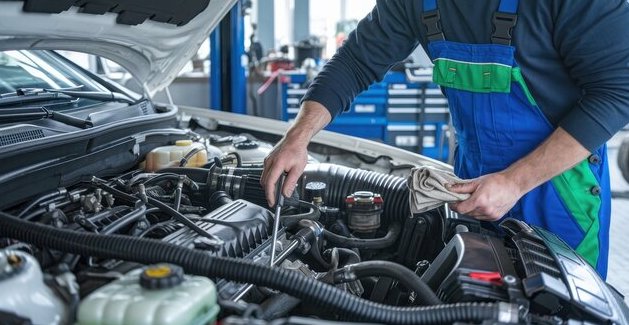
Maintaining a properly functioning steering system is essential for safe and smooth driving. Whether you drive daily in busy traffic or occasionally on rough roads, your vehicle’s steering components play a critical role in control, stability, and comfort. Many drivers only think about the steering system when issues become noticeable—such as unusual noises, stiffness, or drifting—but by then, repairs may already be costly. Working with a trusted Auto repair shop in Lubbock County, Texas is one of the best ways to keep your steering setup in excellent condition, but you can also take several preventive steps on your own to extend its lifespan and performance.
Below is a detailed guide on essential maintenance practices that help ensure your steering system continues to operate smoothly and safely.
Understanding the Steering System
The steering system is a combination of mechanical and hydraulic (or electric) components designed to help drivers control the direction of their vehicle. It typically includes the steering wheel, steering column, rack-and-pinion unit, tie rods, power steering pump, hoses, and fluid (if equipped with hydraulic power steering). In newer vehicles, electric power steering uses sensors and electric motors rather than fluid pressure.
Because these parts work together continuously, even minor issues can affect handling, safety, and tire wear. Regular inspections and proper maintenance help catch problems early before they develop into major repairs.
Check and Maintain Power Steering Fluid
For vehicles with hydraulic power steering systems, maintaining proper fluid levels is crucial. Low or contaminated power steering fluid can cause steering stiffness, whining noises, and eventual damage to the pump or rack.
Here’s what you should do:
- Inspect fluid levels monthly. Use the dipstick or reservoir markings to ensure the fluid is within the recommended range.
- Check for leaks. Power steering fluid leaks are common in high-mileage vehicles. Look for wet spots under the car or around hoses and seals.
- Monitor fluid color. Healthy fluid is usually red or pink. Dark, dirty, or burnt-smelling fluid indicates contamination and the need for a flush.
- Schedule power steering flushes as recommended by your manufacturer or your local auto technician.
Addressing fluid issues early can significantly prolong the life of expensive components like the rack-and-pinion and steering pump.
Inspect and Maintain Steering Components Regularly
Since the steering system contains multiple moving parts, regular inspections are necessary.
Key components to check include:
- Tie Rod Ends: These connect the steering rack to the wheels. Worn tie rods can cause loose steering, uneven tire wear, and clunking noises.
- Steering Rack and Pinion: Look for leaks, excessive play, or stiffness.
- Steering Column: Ensure smooth, unrestricted movement of the steering wheel.
- Ball Joints: Crucial for maintaining alignment and preventing steering looseness.
- Bushings: Worn bushings can create vibration and reduce handling performance.
A professional mechanic can detect early signs of wear during routine maintenance visits. Timely replacement of worn parts helps prevent sudden steering failures and ensures safer driving.
Keep Tires Balanced and Properly Aligned
Your steering system performance is closely tied to your tires and alignment. Misaligned wheels can make your vehicle pull to one side, reduce fuel efficiency, and cause premature tire wear.
To maintain proper steering response:
- Get wheel alignment checks at least once a year or after hitting curbs or potholes.
- Ensure your tires are properly inflated. Underinflated or overinflated tires affect steering feel and stability.
- Balance tires regularly to prevent vibrations at higher speeds.
- Rotate tires every 5,000 to 7,000 miles for even wear.
Well-maintained tires allow steering components to operate with less strain and improve overall handling.
Listen for Warning Signs
Your vehicle often gives early signals when the steering system needs attention. Pay attention to:
- Difficulty turning the steering wheel
- Whining or squealing noises when steering
- Steering wheel vibration or shaking
- Uneven or rapid tire wear
- Vehicle drifting or pulling
- Burning smell (possible fluid leak onto hot engine components)
If you notice any of these symptoms, have your vehicle inspected immediately. Ignoring them can lead to dangerous driving conditions and costly repairs.
Maintain the Suspension System
Your steering and suspension systems work hand in hand. Issues like worn shocks, bushings, or springs can negatively affect steering responsiveness and accuracy. Proper suspension maintenance ensures balanced weight distribution and stable vehicle handling.
Schedule regular suspension inspections, especially if you frequently drive on bumpy or uneven roads.
Drive with Care
How you drive has a significant impact on steering system longevity. Consider adopting these habits:
- Avoid hitting potholes and curbs, which can damage tie rods and alignment.
- Don’t turn the steering wheel to full lock for extended periods.
- Slow down over speed bumps to reduce stress on steering and suspension.
- Avoid aggressive driving that puts unnecessary strain on steering components.
Small changes in driving behavior can significantly extend the lifespan of your steering system.
Schedule Routine Professional Inspections
Even with excellent at-home maintenance, nothing replaces the expertise of a certified technician. Scheduling regular inspections at a reputable auto repair facility ensures early detection of issues that may not be visible or audible to the average driver.
Qualified mechanics can evaluate:
- Steering fluid pressure
- Component wear and tear
- Suspension interaction
- Alignment conditions
- Electrical steering system diagnostics (for EPS vehicles)
Routine inspections help maintain optimal steering performance and ensure safe operation.
Final Thoughts
A well-maintained steering system not only makes driving more comfortable but also enhances safety and extends the life of your vehicle. By checking fluid levels, maintaining alignment, inspecting key components, and adopting careful driving habits, you can significantly improve your steering system’s performance and reliability. Regular visits to a trusted auto repair professional ensure that any developing issues are addressed early—saving you time, money, and stress in the long run.
Consistent care and attention to your steering system will keep your vehicle handling smoothly and predictably for years to come.

 English
 Français
 Español
 Português
 Deutsch
 Türkçe
 Dutch
Dutch
 Italiano
 Russian
 Romaian