


Andrew Huberman Explains How to Use Light Exposure to Regulate Mood and Energy
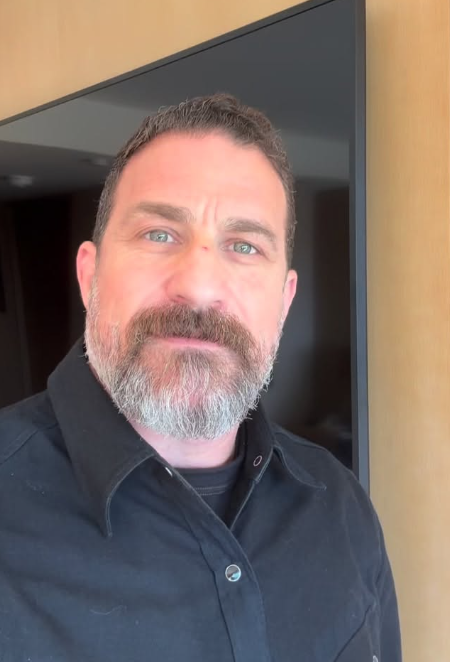
Most of us treat light as nothing more than the thing that lets us see. We flip a switch when it is dark and barely think about it otherwise. But Andrew Huberman laboratory research has shown that light hitting your eyes does something far more profound than illuminating a room. It directly controls your mood, your energy levels, your ability to focus, and even your long-term mental health. Different wavelengths, intensities, and timing of light exposure send截然不同的 signals to your brain’s hypothalamus, triggering cascades of neurochemicals that can either lift you out of a fog or sink you into sluggishness. The empowering part of this knowledge is that you do not need expensive devices or complicated protocols. You simply need to understand a few rules about how to let the right light into your eyes at the right time of day.
The Morning Sunlight Anchor That Sets Your Entire Day
Huberman is relentless about this one practice because it works more reliably than almost any other mood intervention he has studied. Viewing bright, low-solar-angle sunlight within the first thirty to sixty minutes after waking tells your brain’s master clock to stop producing melatonin, the hormone of sleepiness, and to release a healthy pulse of cortisol. That morning cortisol spike is not bad for you—it is essential. It primes your body for wakefulness, sharpens your attention, and sets your emotional tone toward engagement rather than withdrawal. The key details matter. You need to be outdoors, not behind a window or sunglasses, because glass blocks the specific blue and violet wavelengths that trigger this response. On a clear morning, ten to fifteen minutes is enough. On an overcast morning, you need twenty to thirty minutes. If you live in a place with very dark winters, Huberman recommends using a bright artificial light source of at least ten thousand lux. Skipping this morning light anchor is like starting your day with your brain still half asleep.
Why Afternoon Light Prevents the Evening Slump
Most people experience a natural dip in energy and mood somewhere between two and four in the afternoon. Huberman explains that this is not a sign that you need more coffee or a nap. It is a circadian signal that your brain’s master clock is preparing for the transition toward evening. You can soften this dip dramatically by getting another dose of outdoor light in the late afternoon, ideally within a few hours of sunset. Low-angle afternoon light contains a higher ratio of red and orange wavelengths relative to blue. This specific spectral signature signals your brain that the active part of the day is ending, but gently—not with the abrupt crash that comes from sitting under artificial office lighting all day. Huberman recommends stepping outside for five to ten minutes in the late afternoon, even if you are busy. That brief exposure shifts your circadian clock in a way that protects your evening energy and improves your sleep onset later that night.
The Blue Light Panic That Is Mostly Wrong
You have heard the warnings about blue light at night ruining your sleep. Huberman agrees that blue-rich light in the late evening, especially from screens, can suppress melatonin and delay sleep onset. But he also wants to correct a major misunderstanding. Blue light during the day is not the enemy. In fact, blue and violet wavelengths in morning and midday sunlight are precisely what you need to feel alert, motivated, and emotionally stable. The problem is not blue light itself. The problem is blue light at the wrong time of day. Huberman suggests a simple rule: embrace bright, blue-rich light from sunrise until about four in the afternoon. After that, begin dimming your environment and shifting toward warmer, redder light sources. If you must use screens in the evening, reduce their brightness and use a red-shifted night mode, but know that dimming the room lights matters more than filtering the screen. The panic about blue light has led some people to wear blue-blocking glasses all day, which inadvertently deprives their brain of the very signal it needs to stay alert and positive.
How Overhead Lighting Subtly Drains Your Energy
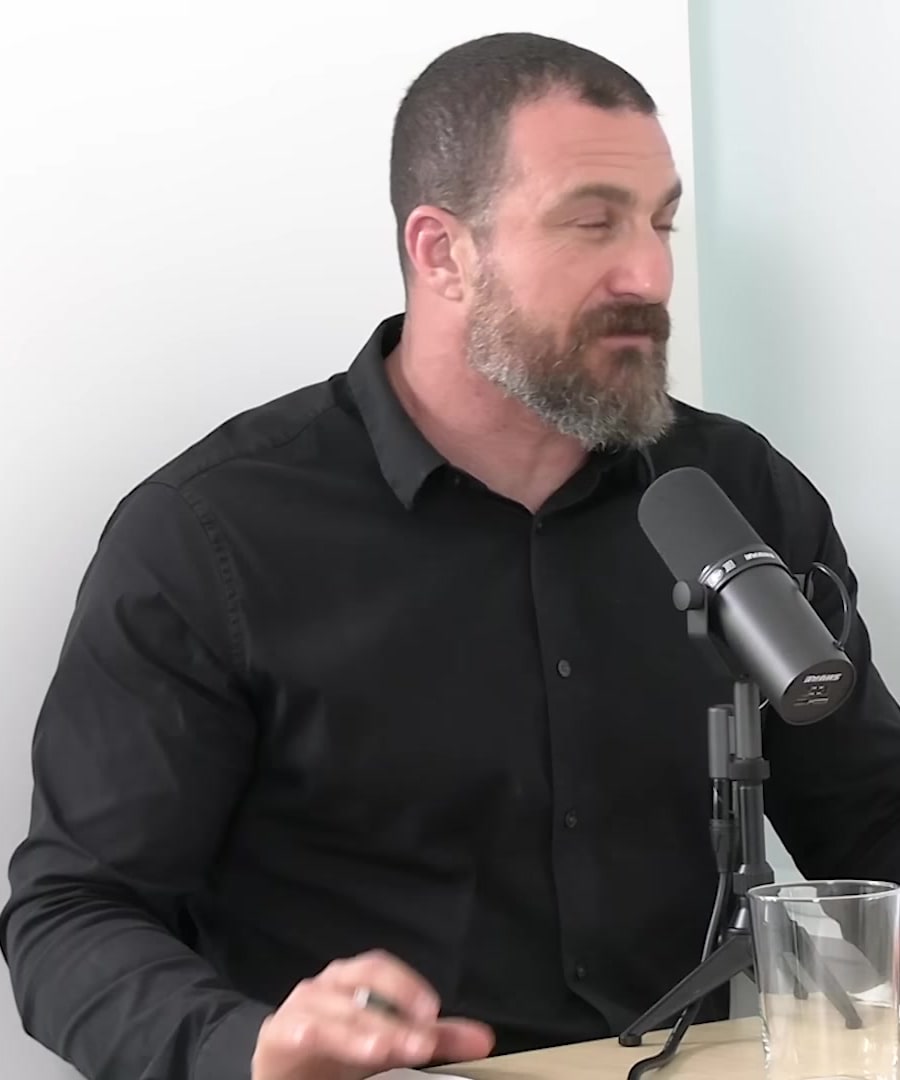
Here is a factor Huberman discusses that almost no one considers. Overhead lighting, particularly cool white LED lights in offices and retail spaces, creates a lighting condition called vertical photic exposure. Light hits your eyes from above at an angle that your brain interprets as unnatural. In nature, sunlight almost always comes from above and slightly behind you, not directly overhead. Overhead artificial light triggers a mild, chronic stress response in your hypothalamic-pituitary axis because your brain perceives it as a sign that you are in an exposed, vulnerable position. Huberman recommends rearranging your work and home environments to use lamps and floor lights that place the light source at or below eye level. Desk lamps with warm bulbs, floor lamps with shades, and indirect lighting that bounces off walls all create a lighting angle that your brain associates with safety and focus. People who make this switch often report feeling less irritable and less fatigued by late afternoon without changing anything else.
The Darkness Buffer That Protects Your Sleep
Light exposure at the wrong time can ruin your mood and energy, but so can the absence of true darkness. Huberman explains that your brain needs a period of at least two hours of dim, dark conditions before bed to properly ramp up melatonin production. This means that the light environment in your home from eight or nine o’clock onward directly determines your sleep quality and your mood the next day. He recommends a protocol he calls the darkness buffer. Two hours before your target bedtime, dim all lights to the lowest comfortable level. Use red or orange bulbs in lamps you keep on. Avoid overhead lights entirely. Turn your phone and computer screens to their lowest brightness settings and shift them to red mode. This buffer period tells your brain that the day is ending in a safe, predictable way. Without it, your pineal gland keeps delaying melatonin release, and you lie awake with a racing mind that is not anxious—it is simply waiting for the darkness signal that never arrived.
Using Light to Break the Low-Mood Cycle
For people struggling with persistently low mood or seasonal depression, Huberman offers a specific light-based intervention that has strong clinical support. Bright light therapy, using a light box that emits ten thousand lux of blue-enriched white light, can be as effective as antidepressant medication for some forms of depression. The timing matters critically. Morning light therapy, used within thirty minutes of waking for twenty to thirty minutes, shifts your circadian clock earlier and boosts daytime alertness. Afternoon light therapy, used around three or four in the afternoon, can help people whose depression manifests as evening slumps and early insomnia. Huberman warns against using light therapy in the evening, as it can delay sleep and worsen mood over time. He also notes that consistency matters more than intensity. Fifteen minutes every morning at the same time produces better results than an hour of sporadic use. If you feel a noticeable improvement in mood within three to five days, you are likely a responder. If not, you may need a different treatment approach.
The Seasonal Shift You Need to Acknowledge
Finally, Huberman addresses a fact that many people resist. Your light needs change with the seasons, and pretending otherwise is a recipe for chronic low energy. In summer, you can get sufficient light exposure just by going about your normal outdoor activities. In winter, especially at higher latitudes, it is nearly impossible to get enough natural light without deliberate effort. Huberman recommends adjusting your schedule seasonally. In winter, make a point of going outside at midday when the sun is highest and brightest, even if it is cold or overcast. In summer, morning and late afternoon light are sufficient, and you can avoid the harsh midday sun if you prefer. He also acknowledges that some people genuinely need artificial light therapy in winter to maintain stable mood and energy. There is no virtue in suffering through dark months without tools. The goal is to work with your brain’s ancient light-sensing biology, not to prove how tough you are by ignoring it. Your mood and energy are not abstract mysteries. They are direct reflections of when and what kind of light you let into your eyes.
 Deutsch
 English
 Arabic
 Français
 Español
 Português
 Türkçe
 Dutch
Dutch
 Italiano
 Russian
 Romaian