


Powerful Stackable Battery Storage for Home and Commercial Use
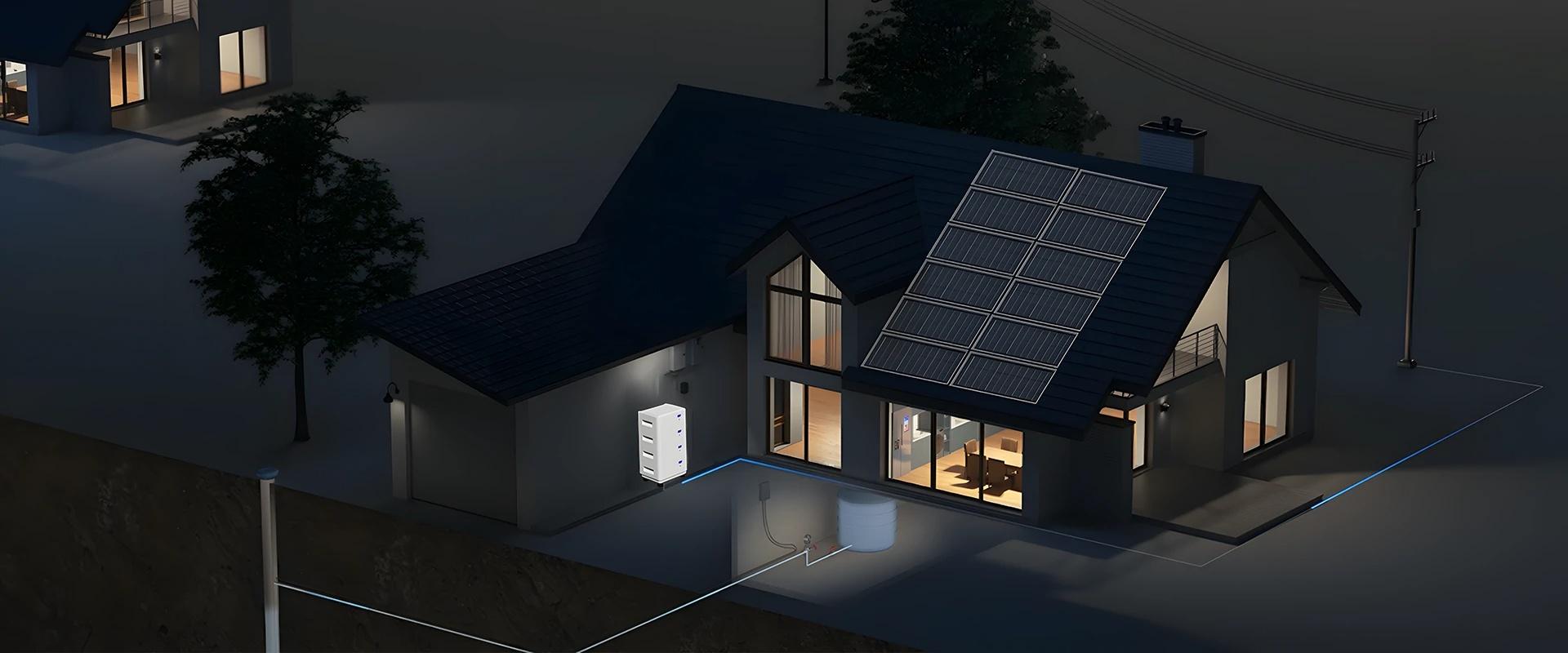
When we talk about “powerful” battery storage, we’re not just talking about raw capacity. We’re talking about the ability to deliver high currents, start heavy motors, and handle the simultaneous demands of multiple appliances or even entire small businesses. Powerful stackable battery storage systems bridge the gap between residential convenience and commercial-grade performance. Whether you’re a homeowner with an electric vehicle, a workshop full of power tools, and a central air conditioner, or a small business owner running a retail shop, coolers, and lighting, you need a storage solution that won’t flinch when you ask for serious power. Stackable systems excel here because you can add modules not just for more energy (kilowatt-hours) but also for more power (kilowatts). Each module contributes to the total peak and continuous output of the bank, so stacking five modules gives you five times the power delivery of one. This scalability makes powerful stackable battery storage equally at home in a suburban garage or a commercial storefront, offering a level of flexibility that traditional fixed batteries simply cannot match.
Understanding Power Versus Capacity in Battery Systems
Let me clear up a common confusion because it matters enormously for powerful applications. Capacity, measured in kilowatt-hours (kWh), is how much total energy your battery can store – think of it as the size of your fuel tank. Power, measured in kilowatts (kW), is how fast that energy can be delivered – think of it as the size of your engine. You can have a huge fuel tank but a tiny engine that trickles out power slowly. For many home uses, that’s fine. But for powerful applications like starting a well pump (which may draw 5,000 watts for a few seconds), running a commercial freezer, or fast-charging an electric vehicle, you need high power output. A powerful stackable battery system specifies both numbers: continuous power (what it can deliver indefinitely) and surge power (what it can deliver for short bursts, usually 5 to 30 seconds). When you stack modules, both capacity and power typically add together in parallel configurations. That means a stack of three 5kW continuous modules gives you 15kW of continuous power – enough to run a small commercial kitchen or a large home with multiple high-draw appliances simultaneously. Always check these numbers before buying; a battery might have plenty of capacity but insufficient power for your real-world needs.
How Stacking Multiplies Both Capacity and Power
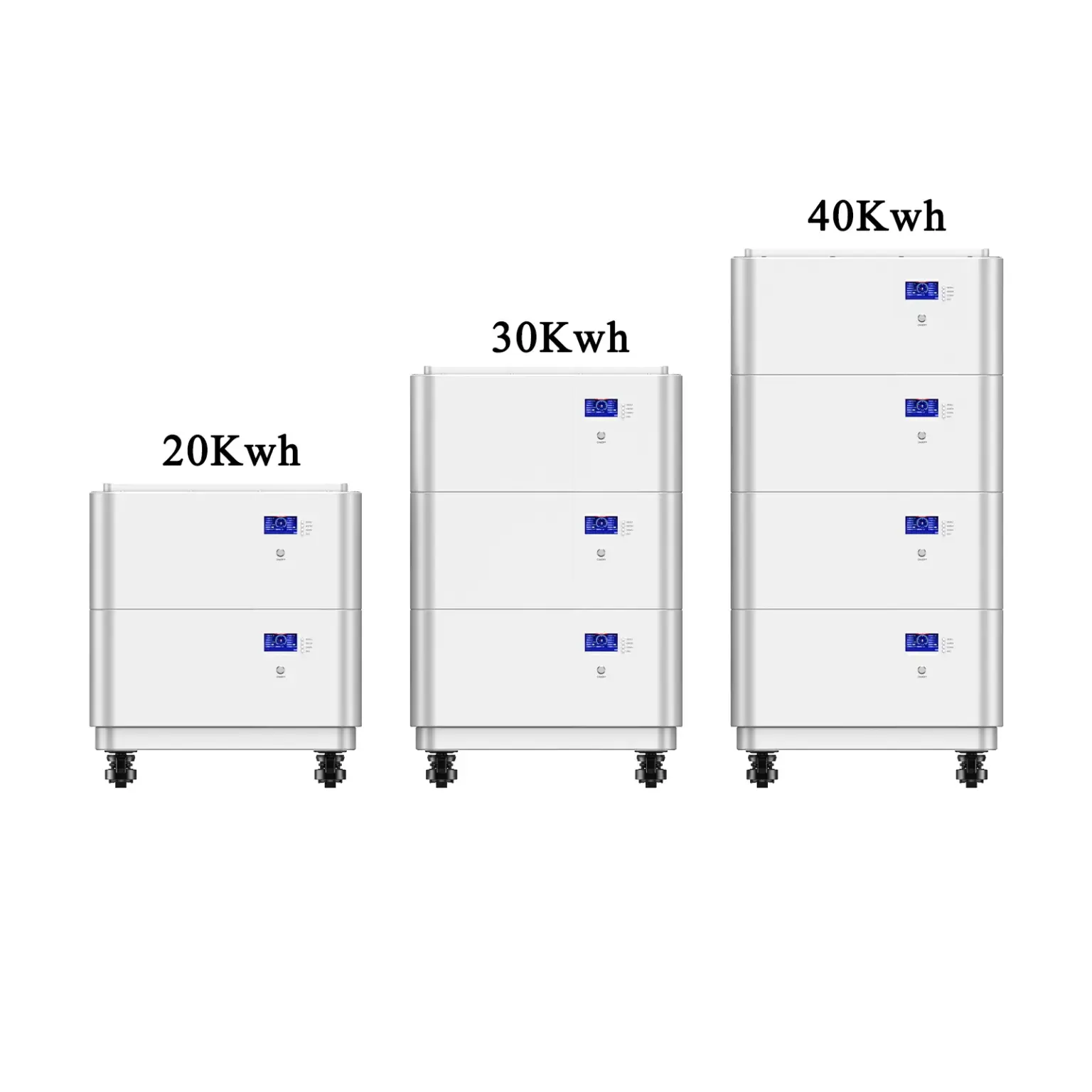
This is where stackable design truly shines for powerful applications. When you connect battery modules in parallel – which is how most residential and commercial stackable systems are designed – both voltage and power characteristics combine in a predictable way. Voltage stays the same (typically 48 volts), but the total current capacity adds up. Since power equals voltage times current, doubling the number of modules doubles your available power. For example, a single module rated at 5kW continuous output can handle a 5kW load. Stack two identical modules, and the combined system can handle a 10kW load. Stack four, and you’ve got 20kW – enough to power a small commercial building’s essential loads. The battery management system coordinates all the modules so they share the load evenly, preventing any single unit from being overworked. This parallel stacking approach also provides redundancy: if one module trips its internal breaker due to a temporary overload, the others keep delivering power, just at reduced total capacity. Some advanced systems allow “stacking” in series as well as parallel, increasing voltage for high-voltage commercial inverters. For business owners who need to scale their energy storage as their operations grow, this modular power multiplication is a game changer.
Essential Features for High Power Demands
Not every stackable battery is suited for high-power applications. When you’re planning to run heavy loads, look for these specific features. First, check the C-rate – that’s the ratio of power to capacity. A 5kWh battery with a 5kW continuous output has a 1C rating, meaning it can fully discharge in one hour. For powerful applications, you want at least 1C, and preferably 1.5C or 2C for surge-heavy loads like motors. Second, verify the surge rating. Most powerful systems offer surge power of 200% to 300% of continuous rating for 5 to 10 seconds. That surge capacity is what starts a refrigerator compressor or a workshop dust collector. Third, look for thick-gauge internal busbars and external connection lugs. High current creates heat, and thin conductors become fire hazards. Premium powerful systems use solid copper busbars rated for hundreds of amps. Fourth, ensure the battery management system has fast response times. When a motor starts, it draws a massive inrush current for just a fraction of a second; a sluggish BMS might misinterpret this as a short circuit and shut down. Finally, consider forced-air cooling. At high continuous power levels, even efficient lithium cells generate significant heat, and passive cooling may not be sufficient. Many commercial-oriented stackable systems include temperature-controlled fans that ramp up as loads increase.
Home Applications That Require Powerful Storage
You might be surprised how many home applications genuinely need powerful battery storage beyond the basics. Let me walk through some real examples. If you have a well pump, especially a deep submersible pump, starting current can hit 4,000 to 6,000 watts for a second – enough to trip a weak battery’s overload protection. A powerful stackable system with good surge rating handles this without blinking. If you own an electric vehicle and want to charge it from your battery during an outage or for time-of-use arbitrage, Level 1 charging draws about 1.4kW, but Level 2 charging draws 7kW to 11kW continuously. That’s a serious sustained load. If you have a workshop with a table saw, dust collector, and air compressor, those motors starting and stopping create frequent surge demands. If you’ve installed a heat pump for heating and cooling, both the compressor and indoor blower pull significant power, especially during defrost cycles. Even cooking with an electric oven or induction cooktop can draw 3kW to 5kW from a single appliance. A family cooking dinner while the well pump kicks on and the EV charges – that’s a scenario that demands powerful stackable storage, not just a basic backup battery. With a properly sized stack, you never have to think about what you can and can’t run at the same time.
Commercial Applications and Installation Considerations
Small businesses face unique energy challenges that powerful stackable batteries address beautifully. A corner store with refrigerated display cases, freezers, and lighting needs reliable power to prevent costly food spoilage. A hair salon with multiple dryers, curling irons, and a water heater has highly variable but sometimes overlapping high loads. A auto repair shop with lifts, compressors, and welders creates massive surge demands. In all these cases, stackable batteries can be sized to match both the average daily energy use and the peak power demand. Installation for commercial use requires additional considerations. You’ll likely need permits and inspections, plus compliance with commercial electrical codes that may be stricter than residential. Many commercial stackable systems are designed for floor mounting in server-rack style cabinets rather than wall mounting, saving wall space. Fire codes may require the battery stack to be located in a separate mechanical room or to have specific clearances and fire suppression. Also consider three-phase power – some commercial stackable systems support three-phase configurations by stacking modules in groups. The good news is that the same modularity that benefits homeowners works even better for businesses. You can start with a modest stack that covers your essential loads, then as your business grows or as you add solar panels, you simply stack on more modules. No downtime, no scrapping existing equipment. For business owners looking to hedge against rising electricity costs or to keep operations running during grid outages, powerful stackable battery storage is one of the smartest investments you can make.

 English
 Arabic
 Français
 Español
 Português
 Deutsch
 Dutch
Dutch
 Italiano
 Russian
 Romaian