


Step-by-Step Guide to Tree Restoration Techniques
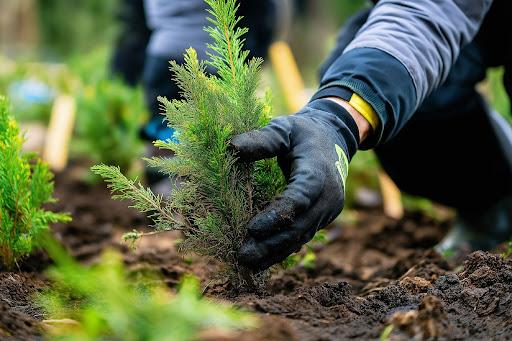
Tree restoration's essential for our planet, and we can make a real difference. First, we’ll choose sites with biodiversity and social needs. Next, we’ll select native tree species suited to the area. We'll prioritize natural regeneration but can also use active restoration methods when necessary. Engaging the community is key; we need their involvement from the start. By working together, we can create sustainable forests and improve our environment-just wait to see what’s next!
Why Tree Restoration Is a Big Deal
Tree restoration is a big deal for all of us, as it addresses pressing issues like climate change, biodiversity loss, and social inequality.
Forests play a significant role in storing carbon, with intact trees holding 74 billion tons of CO₂-almost two years' worth of global emissions.
But restoration isn’t just about planting new trees; it’s about creating sustainable forests that support both nature and communities.
Protecting existing forests is equally important, as recovery can take over 100 years.
We need to tackle the drivers of deforestation, enhance livelihoods, and consider the broader impacts on biodiversity and climate.
Together, we can foster healthier ecosystems and improve life for everyone, making tree restoration an essential endeavor.
Choosing the Right Location for Tree Restoration
How do we guarantee our tree restoration efforts make the most impact? First, we need to focus on choosing locations that offer high biodiversity and support forest-dependent livelihoods.
It’s essential to avoid areas where afforestation could replace important ecosystems like grasslands or peatlands. By targeting degraded lands, we can reconnect fragmented forests, enhancing biodiversity and reducing human-wildlife conflicts.
Additionally, we should prioritize sites where restoration can provide significant social and ecological benefits. The right location not only maximizes the impact of our efforts but also fosters sustainable ecosystems.
Let’s remember, effective planning and detailed information about potential sites are key to ensuring our restoration initiatives thrive in the long run.
Selecting Native Tree Species for Success
Selecting native tree species is essential for the success of our restoration efforts, as these species are inherently adapted to local climates and ecosystems.
By prioritizing native trees, we support greater biodiversity and ecological resilience. Here are some key reasons to focus on native species:
-
Local Adaptation: Native trees thrive in their natural environment, ensuring better growth and survival rates.
-
Biodiversity Support: They provide habitats and food for local wildlife, enhancing overall ecosystem health.
-
Soil Compatibility: Native tree species are more compatible with local soil types, promoting healthier soil and reducing the need for fertilizers.
Effective Tree Restoration Methods
When we commence tree restoration projects, understanding effective methods is essential for ensuring success.
First, we should prioritize natural regeneration, as it’s cost-effective and promotes native plant diversity. In areas where natural growth isn't feasible, active restoration through tree planting becomes necessary.
However, we must remove barriers to growth, like invasive species, to enhance our efforts. Combining both natural and active restoration can notably accelerate results.
We also need to take into account the location, targeting areas with high biodiversity to maximize benefits.
By following a clear, step-by-step process and utilizing decision-support tools, we can implement our plans effectively.
Collaborating with various stakeholders enriches our approach and strengthens our impact on the ecosystem.
How to Involve the Community for Effective Tree Restoration
To achieve effective tree restoration, involving the community from the start is essential. When we engage local residents, we build a sense of ownership and commitment.
Here are a few strategies we can use:
-
Conduct Educational Programs: Equip community members with the necessary skills for participation.
-
Establish Demonstration Plots: Provide hands-on learning opportunities to inspire involvement.
-
Participate in Events: Join local restoration events to exchange ideas and foster connections.
Frequently Asked Questions
What Are the Costs Associated With Tree Restoration Projects?
The costs associated with tree restoration projects vary widely, depending on location, methods, and scale. We need to contemplate expenses for planning, planting, maintenance, and community involvement to guarantee successful and sustainable outcomes.
How Long Does Tree Restoration Typically Take to Show Results?
Tree restoration typically shows results within three to five years, but we often see significant improvements in biodiversity and ecosystem health over a decade. Patience and ongoing care are essential for lasting success.
What Are the Legal Requirements for Tree Restoration in My Area?
To find the legal requirements for tree restoration in our area, we should check local regulations, consult environmental agencies, and review municipal codes. It’s essential to guarantee compliance for successful restoration efforts and community support.
How Can I Measure the Success of My Tree Restoration Efforts?
We can measure our tree restoration success by monitoring growth rates, biodiversity improvements, and community engagement. Regular assessments help us adapt our strategies, ensuring the restored area thrives and meets our environmental goals effectively.
What Common Challenges Do Tree Restoration Projects Face?
Tree restoration projects often face challenges like funding limitations, climate variability, invasive species, and community engagement. We need to address these issues collaboratively to enhance our chances of successfully restoring and maintaining healthy ecosystems.
Conclusion
To summarize, by embracing tree restoration, we can greatly impact our planet's health and biodiversity. Together, we’ve explored the importance of choosing the right locations, selecting native species, and involving our communities. Each step we take not only nurtures our environment but also strengthens our connections with one another. As we move forward, let’s commit to these actionable techniques and inspire others to join us in this essential mission of rejuvenating our forests for future generations.

 English
 Arabic
 Français
 Português
 Deutsch
 Türkçe
 Dutch
Dutch
 Italiano
 Russian
 Romaian