


How AI Is Transforming Handyman App Development in 2026
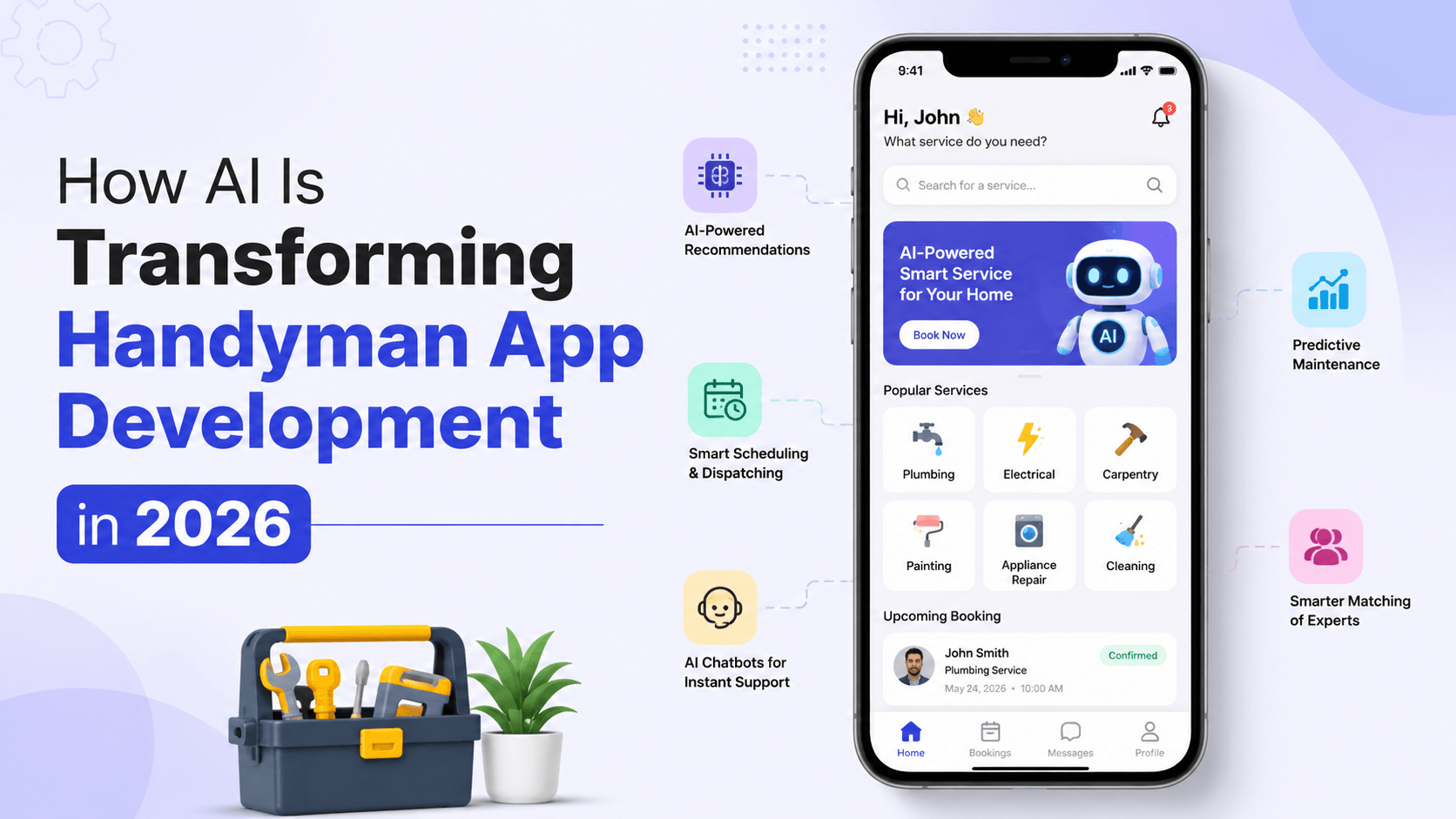
In 2026, the handyman app industry is experiencing a revolutionary transformation driven by artificial intelligence (AI). As technological advancements continue to reshape how services are delivered, AI is playing a pivotal role in enhancing user experiences, optimizing service matching, and streamlining operations.
With features such as predictive analytics, automated scheduling, and quality assurance mechanisms, these apps are not only making it easier for users to find reliable handymen but also for service providers to manage their businesses efficiently. This article explores the various ways AI is transforming handyman app development, highlighting the innovations that are shaping the future of this essential service industry.
Overview of Handyman Apps in 2026
In 2026, handyman apps have evolved from simple service finders to comprehensive platforms that cater to every aspect of home maintenance. With the power of technology and a sprinkle of creativity, these apps now provide seamless connections between users and skilled professionals right at their fingertips. The intuitive interfaces and advanced functionalities have transformed the way people engage with home services, leaving outdated yellow pages in the dust.
Market Growth and Demand
The handyman app market is thriving, with a staggering growth rate that’s practically off the charts. The surge in demand can be attributed to a combination of busy lifestyles and the pandemic-induced need for home improvement. Homeowners are no longer afraid to call in the pros—thanks to user-friendly apps that make finding a plumber or an electrician as easy as ordering a pizza. In fact, some reports suggest that the market is projected to grow by over 30% by the end of the decade, with users increasingly willing to spend a few extra bucks for convenience and quality service.
Key Features of Modern Handyman Apps
So, what’s in the toolbox for the modern handyman app? Expect features like real-time scheduling, transparent pricing, and customer reviews that actually mean something. Throw in secure payment options, in-app messaging, and even virtual consultations, and you've got an all-in-one platform that feels more like a personal assistant than just an app. Let’s not forget advanced features like video call support for troubleshooting and augmented reality tools that can help users visualize repairs, making these apps practically indispensable for homeowners.
The Role of AI in Enhancing User Experience
AI is the unsung hero of handyman app development, working quietly behind the scenes to ensure that users have a top-notch experience. With its ability to analyze data and learn patterns, AI has become the backbone of personalization and support in these apps.
Personalization and Customization
Gone are the days of generic service listings! AI algorithms analyze user preferences and past behaviors to tailor the experience to individual needs. Whether you’re a DIY enthusiast or someone who thinks a hammer is just for hanging pictures, the app can customize suggestions for services and professionals that fit your style—and your budget. Imagine receiving notifications for seasonal maintenance tips or reminders for that leaky faucet you’ve been avoiding. Now, that’s personal service!
Chatbots and Customer Support
Say goodbye to waiting on hold while listening to elevator music that could put a caffeine addict to sleep. Thanks to AI-powered chatbots, customer support is available 24/7, serving up answers faster than you can say “plumber.” These charming digital assistants can help schedule appointments, answer FAQs, or even troubleshoot minor issues, giving users a sense of reliability and support whenever they need it. Plus, they don’t need coffee breaks!
AI-Powered Tools for Efficient Service Matching
When it comes to connecting homeowners with the right handyman, efficiency is key. And who better to tackle this task than AI? With its ability to process massive amounts of data, it can ensure that users find the perfect match for their specific needs in no time.
Skill-Based Matching Algorithms
AI-driven skill-based matching algorithms are like having a personal matchmaker for your home improvement needs. These algorithms assess the specific skills of professionals and align them with the tasks users require, ensuring that you get the best of the best—whether you need a seasoned electrician or a drywall wizard. The result? A smoother, quicker matchmaking process that leads to happier customers and satisfied handymen.
Geolocation and Proximity Services
Ever tried to get a handyman to fix your sink while they’re stuck in traffic across town? AI-powered geolocation features have changed the game by matching users with nearby professionals who can arrive faster than you can say, “I think I need a handyman.” This not only speeds up the service process but also enables workers to manage their schedules more effectively, leading to better service and happier homeowners.
Predictive Analytics and Demand Forecasting
What if your handyman app could tell you when the best time to schedule that long-awaited home renovation would be? Spoiler: It can, thanks to predictive analytics and demand forecasting that anticipate future user needs based on current data.
Understanding User Behavior
AI can sift through mountains of data to understand how users interact with the app. This means it can predict what services will be in demand, at what times, and even which customers are likely to need a handyman soon. By analyzing everything from service requests to geographic trends, the app is like a crystal ball for home maintenance, allowing professionals to be prepared for peaks in demand.
Anticipating Seasonal Trends
Let’s face it: no one wants to deal with a roof leak in the middle of a downpour. AI helps predict seasonal trends, allowing handyman apps to remind users about essential tasks before they become crises. Need to clean the gutters before the rainy season? The app will ping you with reminders. By anticipating user needs and seasonal service spikes, homeowners can stay ahead of the game—and their to-do lists!
Automation in Scheduling and Payments
Streamlining Appointment Booking
In 2026, the app development world is buzzing with excitement over how AI is making scheduling a breeze. Gone are the days of endless back-and-forth texts trying to find a time that works. With AI-driven systems, users can simply input their availability, and voilà! The app does all the heavy lifting of coordinating schedules and sends confirmations faster than you can say “honey-do list.” Even better, the AI learns from user behavior, optimizing future bookings and suggesting the best times for appointments based on past preferences—like that one time you nearly missed the plumber because you were deep in a Netflix binge.
Secure Payment Processing and Invoicing
Say goodbye to fumbling for cash or dealing with awkward “I’ll Venmo you later” exchanges. AI is revolutionizing how payments are managed in handyman apps, offering seamless, secure transactions that would make even Fort Knox green with envy. With smart invoicing capabilities, users receive instant payment requests post-service, and they can settle up with just a few taps. Plus, the AI can provide reminders for upcoming payments, ensuring you never forget that important bill—unlike your ex’s birthday.
Safety and Quality Assurance through AI
Monitoring Work Quality
In 2026, AI doesn’t just take your handyman’s word for it; it keeps a keen eye on quality. Through real-time monitoring and feedback loops, these smart systems ensure that every repair and installation meets high standards. Imagine a scenario where the app can even analyze completed work through image recognition, identifying potential flaws before you’ve had the chance to pour your third cup of coffee. Quality assurance has gone turbo-charged, leaving little room for shoddy work or that "I swear it looked better before" excuse.
Risk Assessment and Mitigation
AI is also stepping up to the plate when it comes to safety. With advanced data analysis, handyman apps can assess risks associated with different tasks and environments. For instance, it can identify potential hazards before a technician even reaches your home, like slippery stairs or faulty wiring. This proactive approach not only keeps the handyman safe but also ensures customer safety—because nobody wants a surprise from a DIY disaster while hanging out with their favorite handyman.
Future Trends: AI Innovations on the Horizon
Emerging Technologies in Handyman Services
What does the future hold for handyman apps? Buckle up, because AI innovations are on the fast track! We’re talking about predictive analytics that can forecast service needs before they arise—imagine knowing you’ll need a new roof six months before the leaks start! Augmented reality (AR) tools are also on the horizon, allowing users to visualize solutions right in their own homes, like how that new wallpaper will look without the headache of peeling it off later.
Integration with Smart Home Devices
In 2026, smart homes will be smarter than ever, thanks to seamless integration with handyman apps. Picture this: your smart assistant detecting a plumbing issue and automatically scheduling a service while you’re busy binge-watching reality TV. These apps will not only facilitate repairs but also help maintain systems, optimizing home efficiency and keeping your living space as cozy as a cat in a sunbeam. Expect your home to become a full-fledged member of the handyman team!
Challenges and Ethical Considerations in AI-Driven Development
Data Privacy and Security Concerns
With great power comes great responsibility. As AI takes the lead in handyman app development, concerns around data privacy and security are entering the chat. Users are rightfully worried about how their personal information is stored and used. Developers must tread carefully, ensuring robust encryption and transparent practices to protect users’ data from cyber-villains. Because nobody wants their leaky faucet repair request shared with the entire internet!
Bias in AI Algorithms and Its Impact
Finally, let’s not forget the elephant in the room: bias in AI algorithms. If not appropriately addressed, these biases can lead to miscommunication or unequal service distribution, potentially leaving certain customers high and dry (figuratively—and sometimes literally). To avoid this pitfall, developers must prioritize inclusivity in algorithm design. Because whether you’re a DIY aficionado or a complete novice, everyone deserves top-notch service, without any bias sneaking into the toolkit.
As we move forward, the integration of AI in handyman app development promises to enhance convenience, efficiency, and quality in service delivery. While challenges such as data privacy and algorithmic bias remain, the ongoing innovations in AI technology offer exciting opportunities for both users and service providers. Embracing these advancements will be crucial for the handyman industry to thrive in an increasingly digital landscape, ensuring that both customers and professionals can benefit from a streamlined and effective service experience.
FAQ
How does AI improve user experience in handyman apps?
AI enhances user experience by providing personalized recommendations, offering seamless customer support through chatbots, and streamlining the service selection process based on individual needs and preferences.
What are some key features of AI-powered handyman apps?
Key features include skill-based matching algorithms, predictive analytics for demand forecasting, automated scheduling and payment processing, and quality assurance monitoring to ensure service standards.
What challenges do handyman apps face with AI integration?
Challenges include concerns regarding data privacy and security, potential biases in AI algorithms that can affect service matching, and the need for continuous updates to adapt to evolving user expectations.
How can users ensure their data is protected when using AI-driven handyman apps?
Users can protect their data by reviewing app privacy policies, ensuring apps use encryption for data transmission, and being cautious about the amount of personal information shared within the app.

 English
 Arabic
 Français
 Español
 Português
 Deutsch
 Türkçe
 Italiano
 Russian
 Romaian