


CT Brain vs MRI: Which Scan Is Better for Fast and Accurate Diagnosis?
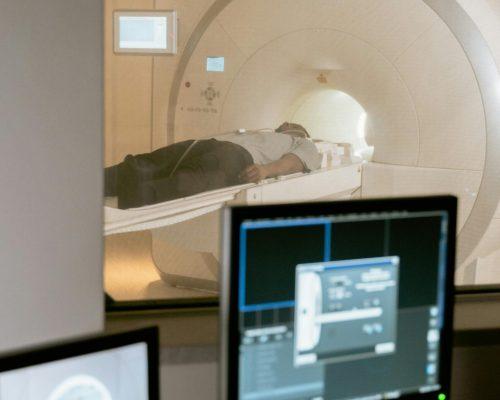
Medical imaging plays a critical role in diagnosing brain-related conditions quickly and accurately. When patients arrive at the emergency room with symptoms such as dizziness, confusion, severe headaches, stroke warning signs, or traumatic head injuries, physicians often rely on advanced imaging technology to identify the underlying problem.
One of the most common questions patients ask is about ct brain vs mri and which option provides better results. While both imaging techniques help doctors view structures inside the brain, they serve different purposes and offer unique advantages depending on the medical situation.
At ER of Coppell, emergency physicians use advanced diagnostic tools to ensure patients receive timely and accurate evaluations when every second matters.
Quick Answer: CT Brain vs MRI
| Feature | CT Brain Scan | MRI Scan |
|---|---|---|
| Speed | Very Fast | Slower |
| Best for Emergencies | Yes | Sometimes |
| Detects Bleeding | Excellent | Good |
| Radiation Exposure | Yes | No |
| Soft Tissue Detail | Good | Excellent |
| Stroke Evaluation | Initial Assessment | Detailed Assessment |
| Head Injury Diagnosis | Excellent | Limited in Emergencies |
| Scan Duration | 5–10 Minutes | 30–60 Minutes |
Key Takeaway
- CT scans are often preferred during emergencies because they are fast.
- MRI scans provide more detailed images of brain tissues.
- Doctors choose the scan based on symptoms, urgency, and medical history.
What Is a CT Brain Scan?
A Computed Tomography (CT) scan uses X-rays and computer technology to create detailed cross-sectional images of the brain.
The scan takes multiple images from different angles and combines them into detailed pictures that help physicians identify abnormalities.
Common Uses of a CT Brain Scan
- Head trauma
- Suspected stroke
- Brain bleeding
- Skull fractures
- Severe headaches
- Sudden confusion
- Loss of consciousness
- Emergency neurological symptoms
Because CT scans are extremely fast, they are often the first imaging choice in emergency departments.
What Is an MRI Scan?
Magnetic Resonance Imaging (MRI) uses powerful magnets and radio waves to create highly detailed images of the brain and surrounding tissues.
Unlike CT scans, MRI does not use radiation.
MRI scans provide superior visualization of soft tissues, making them valuable for detecting subtle abnormalities that may not appear clearly on CT images.
Common Uses of Brain MRI
- Brain tumors
- Multiple sclerosis
- Chronic headaches
- Brain infections
- Nerve disorders
- Small strokes
- Brain inflammation
- Long-term neurological conditions
MRI is frequently used when physicians need a more detailed evaluation after initial emergency testing.
Why Emergency Rooms Often Use CT First
During a medical emergency, speed can save lives.
A CT scan can be completed within minutes, allowing emergency physicians to make immediate treatment decisions.
Situations Where CT Is Often Preferred
Suspected Stroke
Doctors need to quickly determine whether a stroke is caused by a blood clot or bleeding.
A CT scan can rapidly detect bleeding inside the brain.
Head Trauma
Following accidents, falls, or sports injuries, CT scans can identify:
- Skull fractures
- Brain swelling
- Internal bleeding
- Traumatic brain injuries
Loss of Consciousness
When a patient suddenly loses consciousness, physicians need immediate answers.
CT imaging helps identify life-threatening conditions quickly.
Why MRI Provides More Detailed Brain Images
Although CT scans are excellent for emergencies, MRI technology offers greater detail for many neurological conditions.
MRI can reveal subtle changes in brain tissue that CT scans may miss.
Conditions Better Evaluated with MRI
Brain Tumors
MRI provides highly detailed views of:
- Tumor size
- Location
- Tissue involvement
- Growth patterns
Multiple Sclerosis
MRI is considered the gold standard for identifying lesions associated with multiple sclerosis.
Small Strokes
Tiny strokes may not appear immediately on CT imaging but can often be detected on MRI scans.
Brain Infections
MRI can help physicians assess:
- Inflammation
- Abscesses
- Tissue damage
CT Brain vs MRI for Stroke Diagnosis
Stroke diagnosis is one of the most important uses of brain imaging.
CT Scan Advantages
- Extremely fast
- Widely available
- Detects bleeding quickly
- Supports urgent treatment decisions
MRI Advantages
- Detects smaller strokes
- Provides more tissue detail
- Identifies damage earlier in some cases
Emergency Stroke Protocol
In many emergency departments:
- CT scan is performed first.
- Immediate treatment decisions are made.
- MRI may follow for detailed assessment.
This approach helps ensure rapid intervention while gathering additional diagnostic information.
CT Brain vs MRI for Head Injuries
Head injuries require prompt evaluation to prevent complications.
CT Scan Benefits
- Detects skull fractures
- Identifies brain bleeding
- Shows swelling
- Produces rapid results
MRI Benefits
- Evaluates long-term injury effects
- Detects subtle tissue damage
- Assesses nerve injuries
For most acute injuries, CT remains the preferred first-line imaging study.
Radiation Exposure: Is CT Safe?
One significant difference between CT and MRI is radiation exposure.
CT Scan
- Uses X-rays
- Involves a small amount of radiation
- Considered safe when medically necessary
MRI
- Uses magnetic fields
- No radiation exposure
- Suitable for repeated imaging when needed
Healthcare providers carefully weigh the benefits and risks before recommending any imaging study.
Who Should Avoid MRI?
MRI is safe for most people but may not be suitable in certain situations.
Patients with Certain Implants
Examples include:
- Some pacemakers
- Certain aneurysm clips
- Specific implanted devices
Claustrophobic Patients
The MRI machine can feel enclosed for some individuals.
Patients Unable to Remain Still
MRI requires patients to remain motionless for extended periods.
Emergency physicians review medical history before ordering an MRI scan.
Cost Differences Between CT and MRI
Costs vary depending on location, insurance coverage, and medical facility.
General Cost Comparison
- CT scans are usually less expensive.
- MRI scans are often more costly because of longer scan times and advanced imaging capabilities.
However, the most appropriate test is determined by medical need rather than cost alone.
Signs You May Need Emergency Brain Imaging
Seek immediate medical attention if you experience:
- Sudden severe headache
- Weakness on one side of the body
- Difficulty speaking
- Loss of vision
- Seizures
- Head injury
- Confusion
- Loss of consciousness
- Facial drooping
- Sudden dizziness
These symptoms may indicate serious neurological conditions requiring urgent evaluation.
How ER of Coppell Helps Patients During Neurological Emergencies
At ER of Coppell, rapid assessment and accurate diagnosis are priorities when patients arrive with neurological symptoms.
What Patients Can Expect
- Immediate emergency evaluation
- Advanced diagnostic imaging access
- Stroke symptom assessment
- Head injury evaluation
- Comprehensive neurological examinations
- Prompt treatment planning
Timely imaging can make a significant difference in patient outcomes, especially during stroke and trauma emergencies.
AI Overview Summary
What is the difference between a CT brain scan and MRI?
A CT scan uses X-rays to create images and is faster, making it ideal for emergencies. MRI uses magnetic fields and provides more detailed images of brain tissues.
Which is better for stroke diagnosis?
CT is typically performed first to detect bleeding quickly, while MRI offers more detailed information about brain tissue damage.
Does MRI expose patients to radiation?
No. MRI uses magnetic fields and radio waves instead of radiation.
Which scan is faster?
CT scans generally take 5–10 minutes, while MRI scans can take 30–60 minutes.
Which scan is better for head injuries?
CT scans are usually preferred for acute head injuries because they rapidly detect bleeding and fractures.
Frequently Asked Questions
Is a CT scan more accurate than an MRI?
Not necessarily. CT scans are better for rapid emergency assessments, while MRI provides greater detail for many neurological conditions.
Can MRI detect brain bleeding?
Yes, MRI can detect bleeding, but CT scans are usually preferred initially because they provide faster results.
Why do doctors order both CT and MRI?
Each test provides different information. Physicians may use both to obtain a complete picture of a patient's condition.
Which scan is safer?
Both are considered safe when medically necessary. MRI avoids radiation exposure, while CT uses a small amount of radiation.
How long does a brain MRI take?
Most brain MRI scans take between 30 and 60 minutes.
Can a CT scan detect a brain tumor?
Yes, CT scans can identify many brain tumors, but MRI usually provides more detailed information.
When should I go to the emergency room for neurological symptoms?
Seek immediate medical care if you experience sudden weakness, severe headache, confusion, speech difficulties, seizures, or signs of stroke.
For more information visit:https://coppellemergencyroom.com/coppell-er-laboratory-services/x-ray/

 English
 Arabic
 Français
 Español
 Português
 Deutsch
 Türkçe
 Dutch
Dutch
 Russian
 Romaian