


Agentic AI Development: What Happens When AI Starts Working Like an Employee?
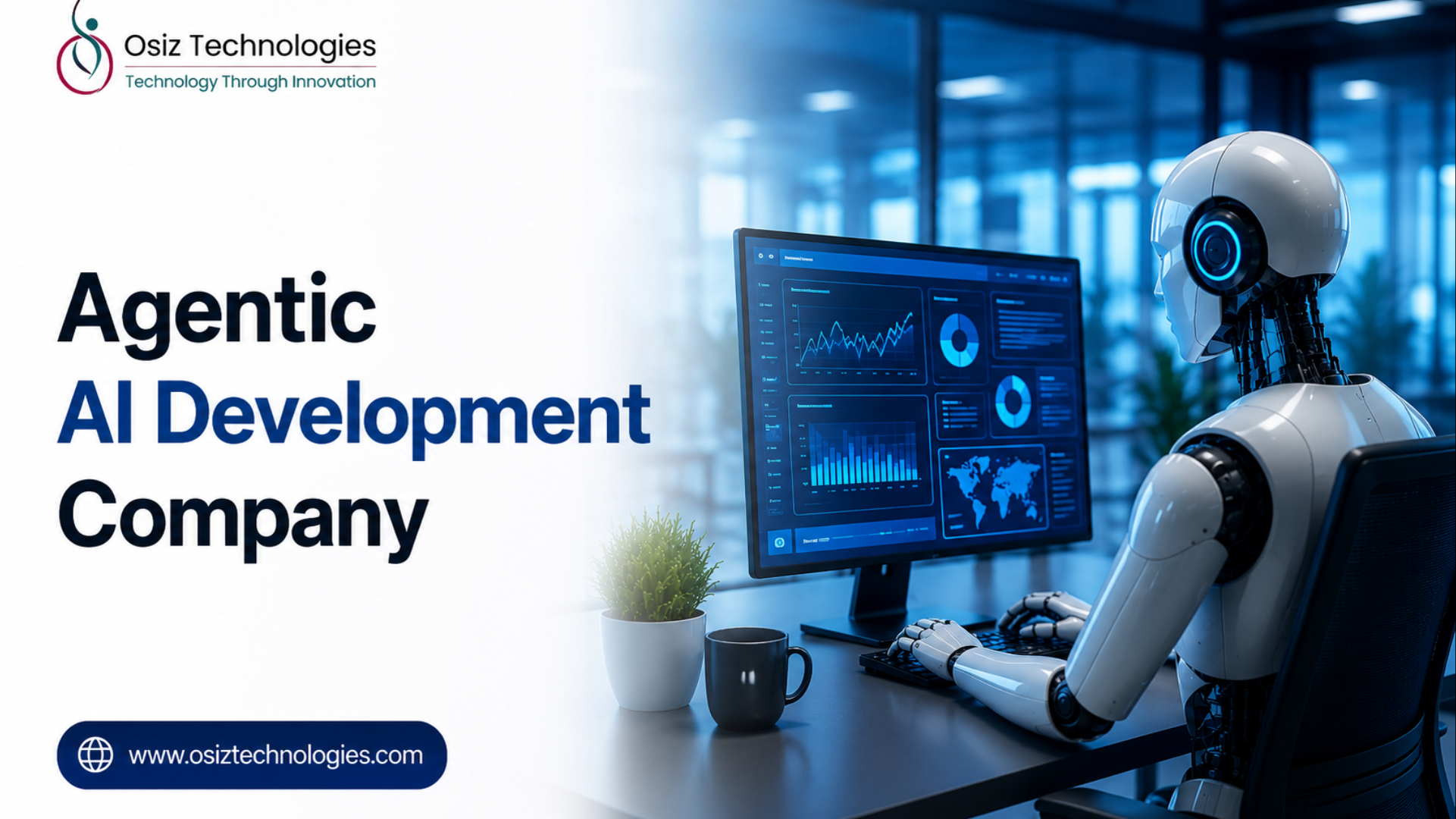
Not long ago, artificial intelligence was primarily used to automate simple tasks, answer basic questions, or analyze data. Today, a new generation of AI systems is changing that reality. Businesses are no longer looking for tools that simply assist employees; they are adopting intelligent systems that can perform tasks, make decisions, and execute workflows with minimal human intervention.
This shift has fueled the rise of Agentic AI Development, enabling organizations to create autonomous AI agents capable of functioning like digital employees. Unlike traditional software, these AI agents can understand goals, determine the best course of action, and complete tasks independently. As businesses seek greater efficiency, scalability, and round-the-clock productivity, digital employees are becoming an increasingly valuable part of the modern workforce.
What Is Agentic AI Development?
Agentic AI Development refers to the process of designing and building AI systems that can operate autonomously to achieve specific objectives. These systems are not limited to responding to commands; they can plan, reason, adapt, and act based on changing circumstances.
By combining technologies such as large language models, machine learning, memory systems, and workflow automation, agentic AI enables organizations to create intelligent agents that can handle complex business processes. These agents can interact with software, retrieve information, communicate with users, and continuously improve their performance over time.
What Makes an AI Agent Behave Like an Employee?
Autonomous Decision-Making
One of the defining characteristics of an AI employee is its ability to make decisions independently. Instead of waiting for step-by-step instructions, AI agents evaluate available information, analyze possible actions, and choose the most effective path to achieve a goal. This allows them to respond quickly to changing business conditions and customer needs.
Memory and Context Awareness
Human employees rely on experience and context to perform their jobs effectively. Similarly, advanced AI agents use memory systems to retain information from previous interactions and maintain context throughout ongoing tasks. This capability helps them provide more relevant responses, avoid repetition, and deliver personalized experiences.
Task Planning and Execution
AI employees can break complex objectives into smaller tasks, prioritize actions, and execute workflows systematically. Whether processing customer requests, generating reports, or coordinating multiple systems, these agents can manage multi-step operations with remarkable efficiency.
A Typical Workday of an AI Employee
Handling Repetitive Tasks
Many business processes involve repetitive and time-consuming activities such as data entry, appointment scheduling, invoice processing, and report generation. AI agents can automate these responsibilities, allowing human employees to focus on strategic and creative work.
Collaborating Across Business Functions
Modern AI agents are capable of interacting with various departments and software platforms. They can coordinate information between sales, marketing, customer support, and operations teams, ensuring smoother communication and workflow management across the organization.
Delivering Real-Time Insights
AI employees continuously analyze large volumes of data and provide actionable insights in real time. This enables organizations to identify trends, monitor performance, and make informed decisions faster than ever before.
How Agentic AI Development Is Reshaping Business Operations
Customer Support and Service Automation
AI agents are transforming customer service by handling inquiries, resolving common issues, and providing instant assistance around the clock. This improves customer satisfaction while reducing the workload on support teams.
Sales and Marketing Optimization
In sales and marketing, AI agents can qualify leads, personalize campaigns, monitor customer behavior, and recommend targeted strategies. Their ability to analyze vast amounts of data helps businesses improve engagement and conversion rates.
Software Development and Enterprise Workflows
AI-powered agents are also supporting software development by assisting with code generation, testing, debugging, and documentation. In enterprise environments, they streamline workflows, automate approvals, and optimize operational processes.
The Benefits of Adding AI Employees to Your Workforce
Increased Productivity
AI agents can perform tasks continuously without breaks, enabling organizations to complete more work in less time. By automating routine activities, businesses can significantly boost overall productivity.
Reduced Operational Costs
Automating repetitive processes reduces the need for manual effort and minimizes operational expenses. Businesses can allocate resources more efficiently while maintaining consistent service quality.
Scalability Without Workforce Expansion
As organizations grow, AI agents can handle increasing workloads without requiring proportional increases in staffing. This scalability allows businesses to expand operations while keeping costs under control.
Can AI Replace Human Employees? The Challenges Businesses Must Consider
While AI employees offer substantial benefits, they are not a complete replacement for human talent. Many business activities require emotional intelligence, creativity, ethical judgment, and complex problem-solving skills that remain uniquely human.
Organizations must also address challenges related to data privacy, security, compliance, and accountability. Human oversight remains essential to ensure that AI agents operate responsibly and align with business objectives. The most successful implementations will focus on collaboration rather than replacement, using AI to augment human capabilities instead of eliminating them.
Conclusion: The Future Workplace Where Humans and AI Work Side by Side
The workplace of the future will not be defined by humans versus AI but by humans working alongside intelligent digital colleagues. As autonomous technologies continue to evolve, businesses will increasingly rely on AI agents to automate workflows, enhance productivity, and support decision-making.
Organizations that embrace this transformation today will be better positioned to compete in an increasingly digital economy. Partnering with an experienced AI Development Company can help businesses design, deploy, and scale agentic AI solutions that create lasting value. The age of AI employees has begun, and the companies that adapt early will be the ones shaping the future of work.

 English
 Arabic
 Français
 Español
 Português
 Deutsch
 Türkçe
 Italiano
 Russian
 Romaian