


Essential Tips for Effective Tree Restoration
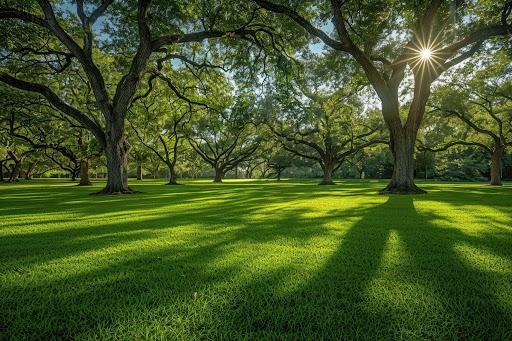
When we focus on effective tree restoration, we prioritize native species to support local ecosystems. It’s essential to choose the right locations, ideally areas that once were forests. We should use proper watering techniques, like deep watering and adding mulch, to keep trees healthy. Regularly monitoring for signs of distress helps us intervene swiftly. Finally, engaging the community fosters ownership and appreciation for green spaces. There’s so much more to explore about tree restoration strategies!
Why Native Species Matter in Tree Restoration?
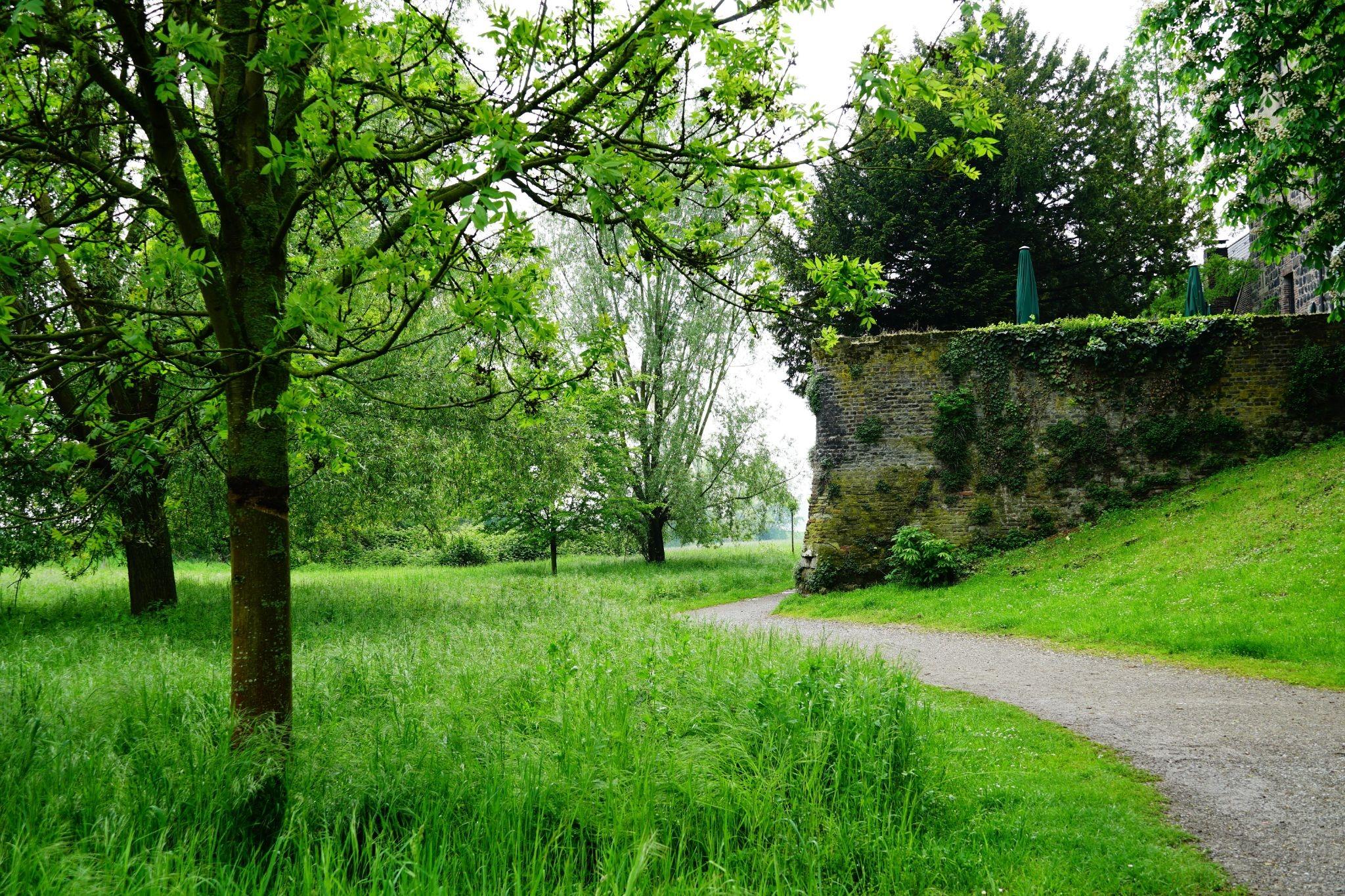
When we consider tree restoration, choosing native species becomes essential, as they’re naturally adapted to our local ecosystems. By selecting these trees, we not only support local wildlife but also enhance biodiversity, allowing nature to thrive.
Native species are more resilient, requiring less maintenance and water, which helps us reach green goals more effectively. They fit seamlessly into the landscape, providing shade, beauty, and habitat. Plus, they help combat soil erosion and improve air quality, making our communities healthier.
When we focus on restoring with native trees, we're investing in the long-term health of our environment. Let's embrace these living treasures that connect us to our local ecology and guarantee a flourishing future for all.
Choose the Right Location for Tree Restoration

Choosing the right location for tree restoration is vital, as it greatly influences the success of our efforts. We should prioritize planting in areas that were once forests rather than converting other ecosystems.
Using native tree species suited to our local climate and soil conditions not only enhances biodiversity but also supports a healthier ecosystem.
It’s important to engage with local communities, as their insights can help us identify the best planting sites. Additionally, collaborating with officials and farmers guarantees we've the necessary support for our projects.
By planning strategically and being patient, we can maximize our restoration efforts and create lasting benefits for both nature and our communities.
Let’s work together to make informed choices!
Watering and Mulching Techniques for Effective Tree Restoration
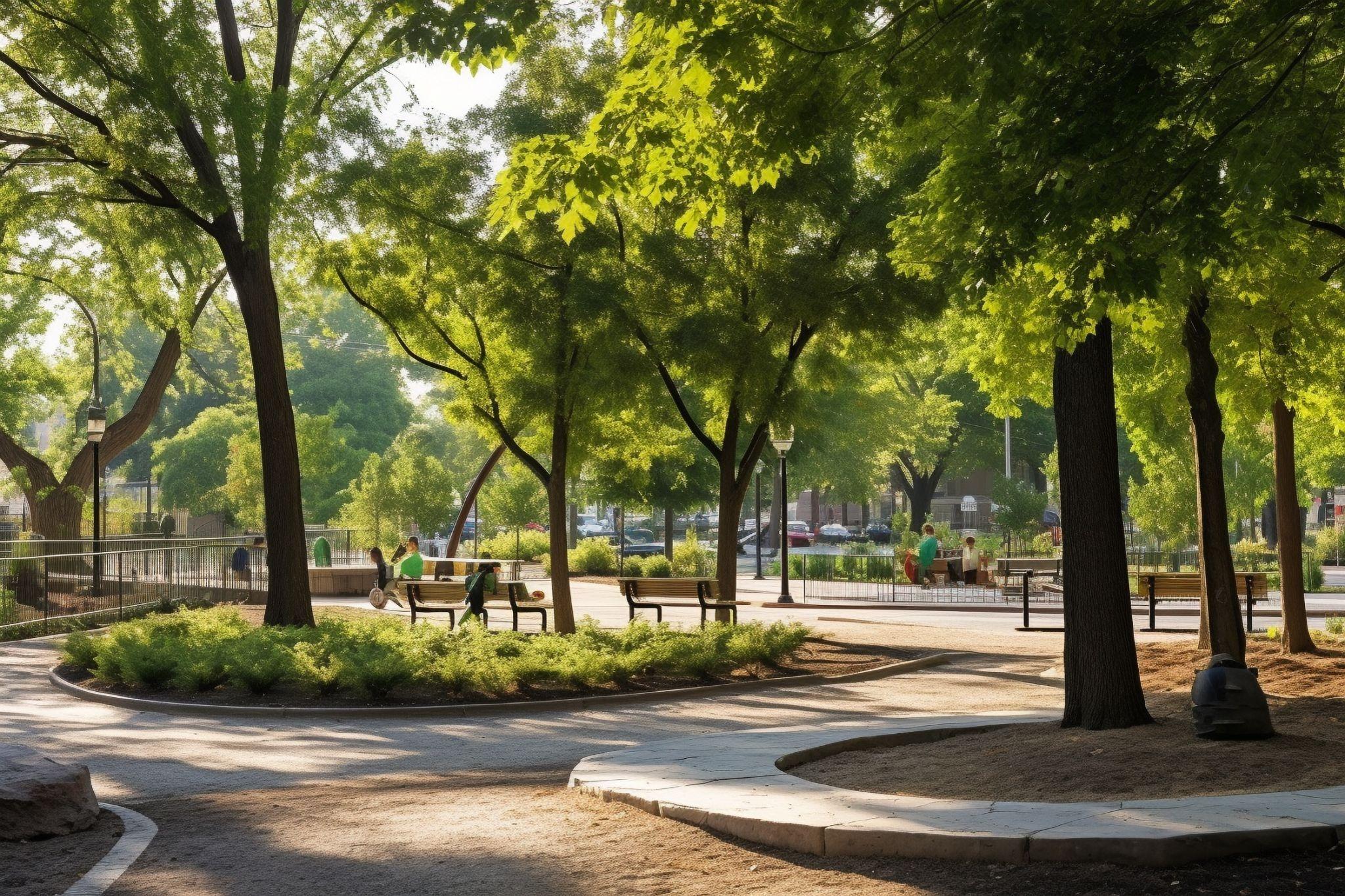
To guarantee successful tree restoration, we must prioritize effective watering and mulching techniques.
First, we need to water our trees appropriately, especially during dry spells; deep watering promotes healthy root growth. We should aim to water thoroughly at least once a week, increasing frequency in hot weather.
Next, applying mulch is vital. A layer of 2-4 inches keeps soil moist, regulates temperature, and suppresses weeds, which compete for nutrients. Let's make sure we keep the mulch a few inches away from the trunk to prevent decay.
Regularly inspecting our trees for signs of distress, like yellowing leaves or wilting branches, will help us address potential issues promptly.
Together, these practices enhance tree health and guarantee a successful restoration journey.
Monitor Tree Health and Address Issues Promptly

Monitoring our trees' health is essential for ensuring their longevity and vigor. We need to regularly inspect our trees for signs of distress, like yellowing leaves, unusual growth patterns, or pest activity.
Early detection allows us to address issues promptly, preventing further damage. If we notice cracks in the bark or wilting branches, it’s time to take action.
Using proper care techniques, like appropriate pruning and watering, can markedly improve their resilience. We should also consider consulting with experts when facing complex problems.
By staying vigilant and proactive, we not only enhance the health of our trees but also contribute to the overall beauty and ecological benefits they provide to our environment.
Let's commit to our trees’ well-being!
Foster Community Involvement in Tree Restoration Efforts
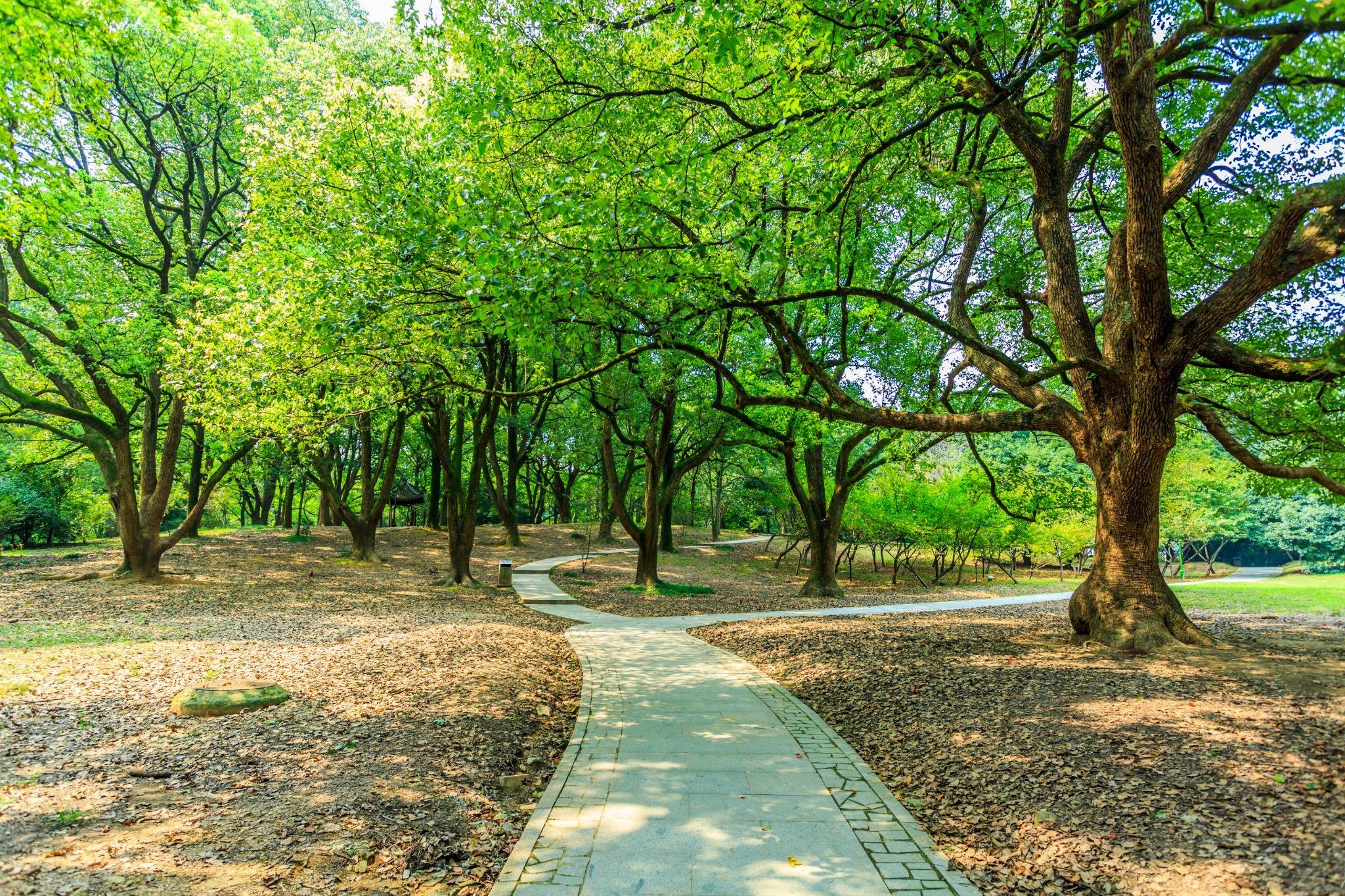
As we take steps to guarantee the health of our trees, we should also engage our community in tree restoration efforts. By involving local residents, we can create a sense of ownership and responsibility toward our green spaces.
Organizing tree planting events not only beautifies our neighborhoods but also fosters connections among neighbors. We can host workshops to educate everyone about tree care, including monitoring for diseases and understanding proper pruning techniques.
Collaborating with schools can inspire younger generations to value nature. Together, we can also advocate for local policies that support tree preservation.
Frequently Asked Questions
How Do Invasive Species Impact Tree Restoration Efforts?
Invasive species complicate tree restoration by outcompeting native plants for resources, disrupting ecosystems, and spreading diseases. We must actively monitor and manage these threats to support successful restoration efforts and protect our environment.
What Are the Economic Benefits of Tree Restoration?
Tree restoration boosts local economies by increasing property values, creating jobs in landscaping and maintenance, and enhancing tourism through improved natural landscapes. We all benefit from healthier ecosystems that support sustainable growth and community well-being.
How Can Technology Aid in Tree Restoration Projects?
Technology aids our tree restoration projects by providing data analysis, mapping tools, and innovative planting techniques. By utilizing these advancements, we can enhance survival rates, monitor growth, and guarantee efficient resource management, ultimately supporting our efforts.
What Timelines Should We Expect for Tree Growth After Planting?
We can expect noticeable growth within the first few years after planting, but full maturity often takes a decade or more. Patience and consistent care will guarantee our trees thrive and reach their potential.
How Can Climate Change Affect Tree Restoration Success?
Climate change can hinder tree restoration success by altering growth patterns, increasing pests, and impacting water availability. We need to adapt our strategies to guarantee resilience and sustainability in our restoration efforts.
Conclusion
To summarize, as we commit to tree restoration, let’s remember the power of our collective actions. By choosing native species, selecting the right locations, and implementing effective watering and mulching techniques, we can guarantee our trees thrive. Monitoring their health and involving our communities will only strengthen our efforts. Together, we can create greener spaces and healthier ecosystems for generations to come. Let’s continue to nurture our environment, one tree at a time!

 English
 Arabic
 Français
 Español
 Português
 Deutsch
 Türkçe
 Dutch
Dutch
 Russian
 Romaian