


RSV Symptoms in Adults Explained: Causes, Risks, and Recovery Tips
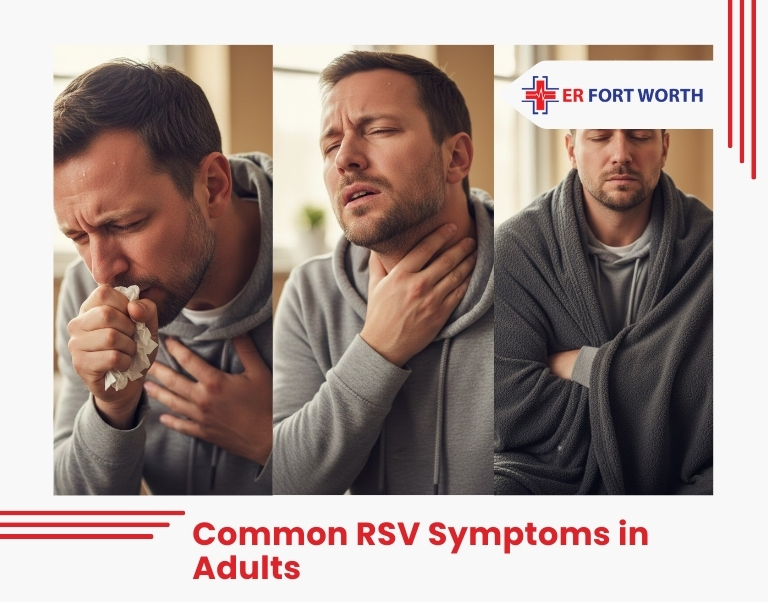
Respiratory Syncytial Virus (RSV) is a common respiratory infection that affects millions of people each year. While RSV is often associated with infants and young children, adults can also become infected. In healthy adults, symptoms are usually mild and resemble a common cold. However, older adults and individuals with underlying health conditions may experience more serious illness.
Understanding RSV symptoms, causes, risk factors, and RSV treatment for adults can help you manage the infection effectively and avoid complications.
What Is RSV?
Respiratory Syncytial Virus (RSV) is a contagious virus that affects the respiratory tract. It spreads through respiratory droplets released when an infected person coughs or sneezes. The virus can also spread through direct contact with contaminated surfaces.
Most adults recover within one to two weeks, but some cases require medical attention, especially among high-risk individuals.
Quick Answer: Common RSV Symptoms in Adults
Common RSV symptoms include:
- Runny nose
- Nasal congestion
- Persistent cough
- Sore throat
- Sneezing
- Mild fever
- Headache
- Fatigue
Symptoms often begin gradually and may initially resemble a seasonal cold.
What Causes RSV?
RSV is caused by infection with the Respiratory Syncytial Virus.
How RSV Spreads
- Close contact with infected individuals
- Coughing and sneezing
- Touching contaminated surfaces
- Sharing personal items
Because RSV spreads easily, outbreaks often occur during respiratory virus seasons in the United States.
Early Symptoms Adults Should Watch For
Recognizing symptoms early helps ensure timely care.
Persistent Cough
A cough that worsens over several days may indicate RSV rather than a simple cold.
Fatigue
Many adults experience unusual tiredness and reduced energy levels.
Mild Fever
A low-grade fever is common during the early stages of infection.
Congestion and Runny Nose
Nasal symptoms are often among the first signs of RSV.
Risk Factors for Severe RSV Illness
Although many adults recover without complications, some people face a higher risk of severe disease.
High-Risk Groups
- Adults aged 65 and older
- Individuals with asthma
- People with chronic lung disease
- Heart disease patients
- Immunocompromised individuals
- Residents of nursing homes
These groups may require closer monitoring and more intensive RSV treatment for adults if symptoms worsen.
Potential Complications
In some cases, RSV can spread into the lower respiratory tract.
Possible Complications
- Pneumonia
- Bronchitis
- Worsening asthma symptoms
- Increased breathing difficulties
- Hospitalization
Early recognition and appropriate care help reduce the risk of these complications.
When to Seek Medical Care
Many RSV infections can be managed at home, but certain symptoms require professional evaluation.
Contact a Healthcare Provider If You Have:
- Persistent cough
- Fever lasting several days
- Wheezing
- Increasing fatigue
- Shortness of breath
Seek Emergency Care If You Experience:
- Severe breathing difficulties
- Chest pain
- Bluish lips or skin
- Confusion
- Extreme weakness
Prompt medical attention can improve outcomes.
RSV Treatment for Adults
Currently, there is no specific cure for RSV in most adults. Instead, treatment focuses on symptom relief and supporting recovery.
Rest
Adequate sleep allows the immune system to fight infection effectively.
Hydration
Drinking water and other healthy fluids helps loosen mucus and prevent dehydration.
Fever and Pain Relief
Over-the-counter medications may help reduce fever, headaches, and body aches.
Humidified Air
Using a humidifier may help ease congestion and coughing.
Medical Support
In severe cases, oxygen therapy or hospitalization may be necessary as part of RSV treatment for adults.
Recovery Tips
Following healthy recovery practices can help shorten illness duration.
Get Plenty of Sleep
Rest supports immune function and tissue healing.
Stay Hydrated
Fluids help maintain normal respiratory function.
Eat Nutritious Foods
Healthy meals provide the body with essential nutrients needed for recovery.
Avoid Smoking
Smoking can worsen respiratory symptoms and slow healing.
Monitor Symptoms
Keep track of changes and seek medical advice if symptoms worsen.
Real-Life Example
A 70-year-old adult in the United States developed congestion, fatigue, and a persistent cough. Initially believing it was a common cold, they continued normal activities.
After several days, breathing became more difficult. Medical testing confirmed RSV. Early evaluation and appropriate RSV treatment for adults helped prevent serious complications and supported a successful recovery.
How RSV Is Diagnosed
Healthcare providers may use several diagnostic methods.
Common Tests
- Physical examination
- Symptom review
- Nasal swab testing
- Oxygen level measurement
- Chest imaging when necessary
Testing helps distinguish RSV from influenza, COVID-19, and other respiratory illnesses.
Prevention Strategies
Wash Hands Frequently
Proper hand hygiene helps reduce virus transmission.
Avoid Close Contact With Sick Individuals
Limiting exposure lowers infection risk.
Clean Frequently Touched Surfaces
RSV can survive on surfaces for several hours.
Maintain a Healthy Lifestyle
A strong immune system supports protection against respiratory infections.
Key Takeaways
- RSV is a common respiratory virus that can affect adults of all ages.
- Symptoms often include cough, congestion, fatigue, and mild fever.
- Older adults and individuals with chronic health conditions face a higher risk of severe illness.
- RSV treatment for adults focuses on supportive care, hydration, and symptom management.
- Early medical attention can help prevent complications such as pneumonia and bronchitis.

 English
 Arabic
 Français
 Español
 Português
 Deutsch
 Türkçe
 Dutch
Dutch
 Italiano
 Russian