


Complete Guide to Deck Demolition for Residential Properties
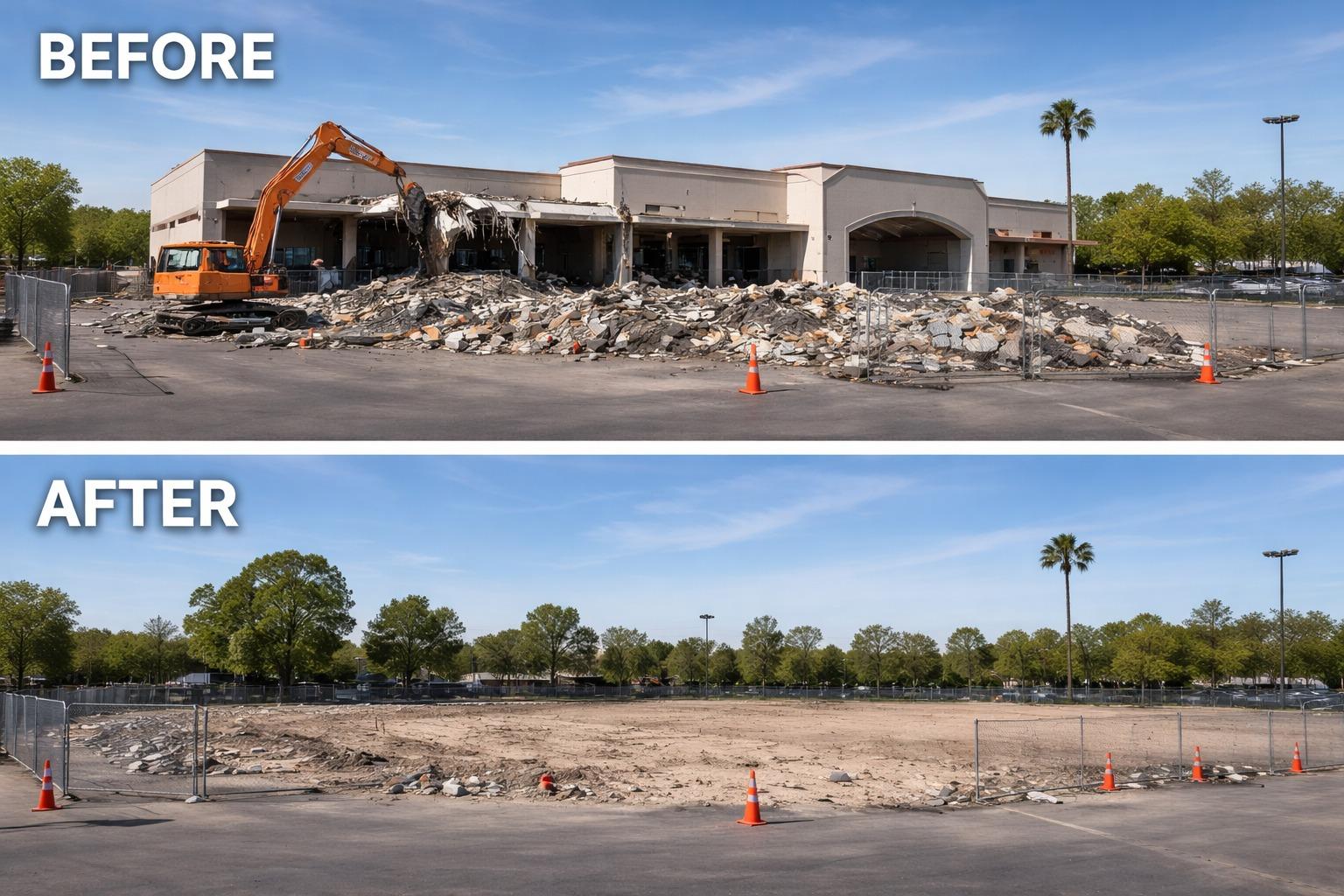
Residential decks can add valuable outdoor living space to a home, but they do not last forever. Over time, weather exposure, structural deterioration, and changing property needs can make removal the most practical option. Whether a deck has become unsafe, outdated, or no longer fits future renovation plans, proper demolition is essential for protecting the property and preparing the site for its next purpose.
A well-planned Deck demolition project helps homeowners eliminate safety concerns, improve property appearance, and create opportunities for upgrades that better meet current needs.
Understanding When Deck Demolition Becomes Necessary
Many homeowners initially consider repairs when a deck begins showing signs of wear. While maintenance can extend the lifespan of some structures, there are situations where complete removal becomes the better investment.
Extensive wood rot is one of the most common reasons for removing a deck. Moisture exposure over many years can weaken support posts, beams, and flooring boards. Once structural components begin deteriorating, repairs may become costly and temporary.
Property owners may also choose Deck demolition when planning major renovations. Expanding a backyard, installing a new patio, building an outdoor entertainment area, or redesigning landscaping often requires the removal of existing structures.
In some cases, decks built decades ago may no longer comply with current construction standards. Structural deficiencies, outdated materials, and improper installation methods can create risks that are best addressed through complete demolition and replacement.
Recognizing these situations early allows homeowners to make informed decisions before minor issues develop into larger property concerns.
Common Safety Hazards Found in Aging Decks
Older decks can present numerous safety risks that may not always be obvious. Understanding these hazards helps property owners determine whether removal is necessary.
Loose railings are among the most frequently encountered problems. Over time, fasteners can loosen, causing railings to become unstable and unsafe. This issue is especially concerning for elevated decks where falls could result in serious injuries.
Rotting support posts represent another significant hazard. Even when the surface appears acceptable, internal deterioration can compromise structural stability. A deck with weakened supports may fail unexpectedly under normal use.
Cracked or warped boards can create tripping hazards for family members and guests. Exposure to sunlight, rain, and seasonal temperature changes gradually damages wood surfaces and affects their strength.
Poor drainage around deck foundations may also contribute to soil erosion and instability. As the ground shifts, structural components can become misaligned, increasing the risk of collapse.
Professional assessment is often recommended before beginning a Deck demolition project, as it helps identify hidden structural concerns and ensures appropriate safety measures are implemented during removal.
Planning a Successful Deck Demolition Project
Proper planning is one of the most important aspects of any demolition project. Careful preparation helps minimize disruptions, improve efficiency, and reduce potential safety risks.
The first step involves evaluating the size and condition of the structure. Understanding how the deck was constructed helps determine the tools, equipment, and labor required for removal.
Property owners should also consider nearby structures, landscaping features, utilities, and access points. Protecting surrounding areas during demolition prevents unnecessary damage and simplifies site restoration afterward.
Creating a clear removal strategy can improve project organization. Sections are typically dismantled in a logical sequence to maintain stability throughout the process. This approach helps workers safely manage materials and debris as they are removed.
Communication is equally important. Homeowners, contractors, and property managers should establish expectations regarding timelines, cleanup procedures, and future site plans before work begins.
A carefully planned Deck demolition process often results in faster completion times, improved safety, and a smoother transition to the next phase of property improvement.
Steps Involved in Removing a Wooden Deck
The demolition of a wooden deck generally follows a structured process designed to maximize safety and efficiency.
The project typically begins with site preparation. Furniture, decorative items, and any removable accessories are cleared from the area. Protective measures may also be installed to safeguard nearby landscaping and structures.
Next, railings and stairs are removed. These components are usually detached first because they provide access to larger sections of the structure. Removing them creates additional workspace and improves maneuverability during demolition.
Once the railings have been dismantled, workers begin removing deck boards. The surface boards are detached systematically, exposing the underlying framework. Careful removal helps reduce debris scatter and allows materials to be separated for disposal or recycling.
After the decking boards have been removed, attention shifts to the support structure. Joists, beams, and framing members are dismantled in stages to maintain control throughout the process.
Finally, support posts and footings are extracted or removed according to project requirements. Depending on future plans for the site, some foundation elements may need complete removal while others may be modified for new construction.
A systematic approach to Deck demolition helps ensure that each stage is completed safely while minimizing unnecessary property disruption.
Debris Removal and Site Cleanup After Demolition
Removing the structure is only part of the overall project. Proper debris management plays a critical role in restoring the property and preparing it for future use.
Demolition activities generate a variety of materials, including wood, fasteners, concrete, and miscellaneous construction debris. Organizing these materials during removal helps streamline disposal efforts and improve site safety.
Wood components may be sorted for recycling when possible. Separating reusable or recyclable materials supports environmentally responsible property management practices while reducing waste sent to disposal facilities.
Nails, screws, and other sharp objects require special attention during cleanup. Thorough site inspections help identify and remove hazardous debris that could pose risks after the project is completed.
Ground surfaces should also be evaluated once demolition is finished. Areas affected by equipment movement or structural removal may require grading, leveling, or minor restoration work.
Effective cleanup following Deck demolition leaves the property safer, cleaner, and ready for its next stage of development.
Preparing the Area for Future Property Improvements
One of the greatest advantages of removing an outdated deck is the opportunity to reimagine the space. A cleared site provides flexibility for a wide range of residential improvement projects.
Many homeowners choose to install patios, outdoor kitchens, garden spaces, or entertainment areas after demolition. Others may use the open area to improve landscaping, increase usable yard space, or enhance overall property appearance.
Before beginning new construction, the site should be evaluated for drainage, grading, and soil conditions. Addressing these factors early can help prevent future maintenance issues and support long-term project success.
Property owners may also consider utility upgrades, irrigation improvements, or additional site enhancements while the area remains accessible. Coordinating these improvements at the right stage can reduce future disruptions and improve overall project efficiency.
A successful Deck demolition project creates a strong foundation for future upgrades while supporting the long-term functionality and value of the property.
Conclusion
Decks eventually reach a point where repairs are no longer practical or cost-effective. Structural deterioration, safety concerns, property redesign plans, and changing needs can all make removal the best solution. By understanding common hazards, planning carefully, following a structured removal process, and prioritizing thorough cleanup, property owners can ensure a safe and efficient outcome. A professionally managed Deck demolition project not only eliminates existing problems but also prepares the property for future improvements, helping create a safer, cleaner, and more functional outdoor environment

 English
 Français
 Español
 Português
 Deutsch
 Türkçe
 Dutch
Dutch
 Italiano
 Russian
 Romaian