


WPC vs SPC Wall Panel: Key Differences & How to Choose
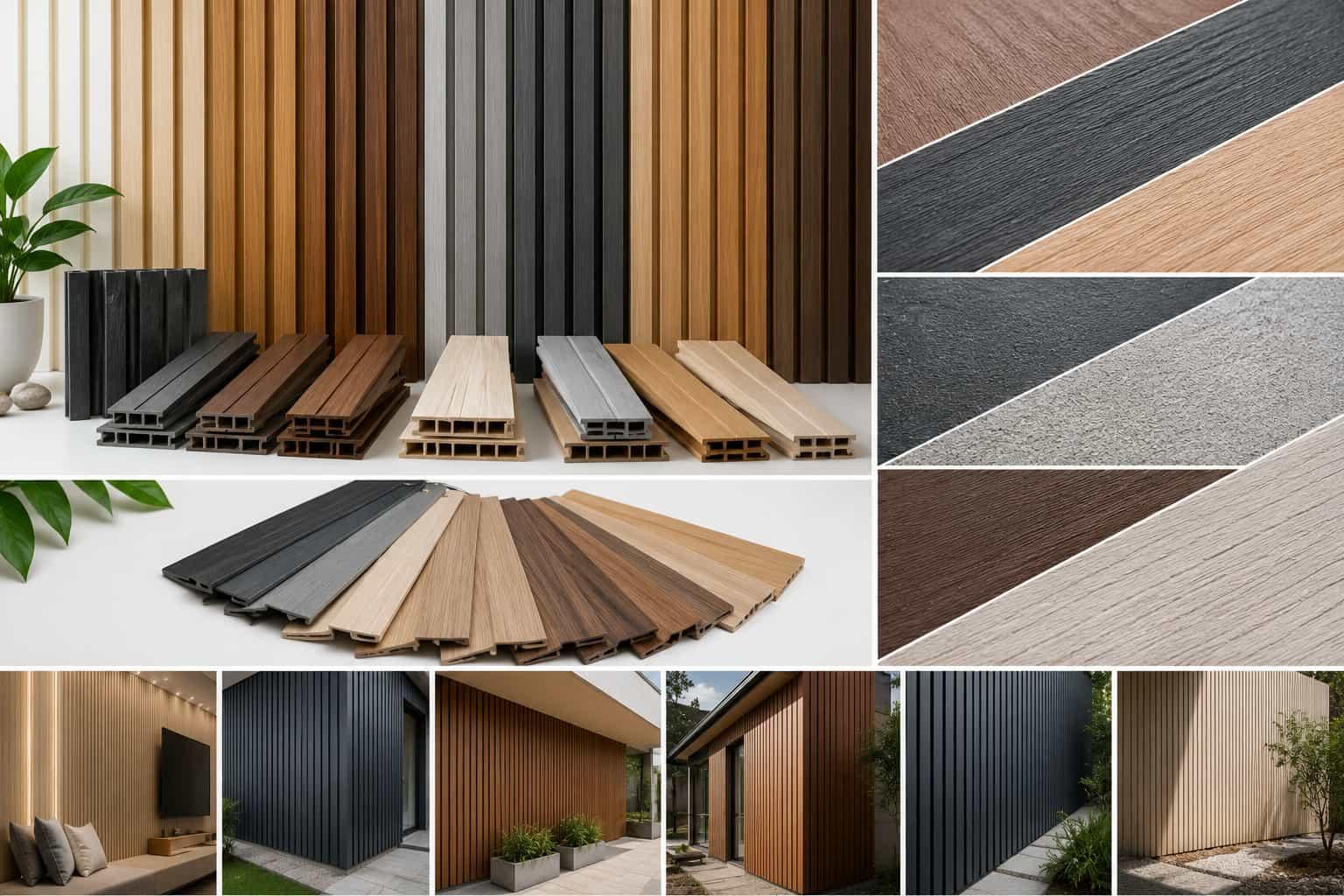
Modern interior decoration is increasingly leaning toward assembled, durable, and low-maintenance wall materials. Among all the popular wall cladding options on the market, WPC (Wood Plastic Composite) and SPC (Stone Plastic Composite) wall panels are the two most mainstream choices for residential renovation, hotel upgrading, and commercial space decoration.
Both panels feature waterproof performance, quick installation, environmental friendliness, and long service life, replacing traditional wallpaper, paint, and ceramic tiles. However, many architects, contractors, and homeowners often struggle to distinguish between WPC and SPC wall panels. They have significant differences in material composition, texture, hardness, insulation performance, and applicable scenarios.
To help you avoid wrong material selection and unnecessary project costs, this article elaborates on the core differences between WPC and SPC wall panels, analyzes their respective advantages and disadvantages, and provides professional selection suggestions for different decoration scenarios.
1. Core Material & Structural Differences
The essential gap between WPC and SPC wall panels lies in their raw material ratios and internal structures, which fundamentally determine their performance characteristics.
WPC Wall Panel is a wood-plastic composite material, mainly composed of natural wood fiber + PVC resin. The wood powder content is high, giving the panel a natural wood-based internal structure. The texture is relatively soft and tough, with strong flexibility, and it perfectly retains the warm texture of real wood.
SPC Wall Panel is a stone-plastic composite material, made of natural stone powder + high-purity PVC resin. The stone powder content accounts for more than 60% of the raw materials. The internal structure is dense and rigid, with ultra-high hardness and stability, and no wood fiber components are contained.
In short: WPC is “wood-feel composite”, while SPC is “stone-feel rigid composite”.
2. Surface Texture & Aesthetic Performance
Aesthetics is one of the key factors affecting interior design effects, and WPC and SPC show completely different decorative styles.
WPC Wall Panel has unparalleled advantages in wood texture. Rich natural wood grain patterns restore the warmth and texture of solid wood. The surface is delicate and close to real wood, making it very suitable for modern minimalist, Nordic, pastoral, and warm home-style designs. It can effectively replace expensive solid wood wall panels, creating a high-end and comfortable living atmosphere.
SPC Wall Panel focuses on modern and versatile decorative effects. It supports diverse finishes including marble grain, solid color, and simple wood grain. Its surface is flat, smooth, and neat, with a strong sense of modern technology. However, its wood texture is relatively stiff and artificial, lacking the natural warmth of WPC panels. It is more suitable for simple, atmospheric, and high-grade commercial style spaces.
3. Hardness, Wear Resistance & Impact Resistance
For high-traffic spaces such as hotels, offices, and corridors, the wear resistance and structural stability of wall panels are extremely important.
SPC Wall Panel wins in hardness and wear resistance. Thanks to high stone powder content, SPC panels have super high surface hardness, strong scratch resistance, and impact resistance. They are not easy to scratch, dent or deform under daily friction, collision and extrusion. They can withstand long-term high-frequency use and are far more durable than WPC panels in terms of surface wear resistance.
WPC Wall Panel has moderate hardness and better toughness. Compared with SPC, WPC is slightly softer and easier to be scratched by sharp hard objects. But its good toughness makes it not easy to crack when bent or impacted slightly, with better anti-fracture performance than brittle stone-based materials.
4. Waterproof, Moisture-Proof & Anti-Mold Performance
Both panels adapt to humid environments, but there are subtle differences in extreme wet conditions.
SPC Wall Panel has absolute advantages in ultra-wet environments. The all-stone-plastic dense structure achieves 100% zero water absorption, with no risk of water seepage, swelling or mildew even in long-term shower flushing and high-temperature humid environments. It is the preferred material for bathrooms, kitchens, and basement walls.
WPC Wall Panel has good moisture-proof performance, but due to the contained wood fiber, it is not suitable for long-term soaking. It can adapt to conventional humid spaces such as balconies and corridor walls, but in extreme wet environments, it may have a slight risk of moisture infiltration compared with SPC.
5. Sound Insulation & Thermal Insulation Effect
In terms of space comfort, WPC wall panels perform better in environmental optimization.
WPC Wall Panel has excellent sound and heat insulation performance. The internal wood fiber porous structure can effectively absorb indoor and outdoor noise, reduce echo, and form a good sound insulation layer. At the same time, wood fiber has natural heat preservation characteristics, which can isolate outdoor high temperature and indoor cold air, balance indoor temperature, and greatly improve living comfort.
SPC Wall Panel has general insulation effect. The dense and rigid stone-plastic structure has poor sound absorption and heat preservation capabilities. Its main advantages are stability and durability, rather than comfortable environmental performance.
6. Fire Resistance & Environmental Safety
Both WPC and SPC wall panels are green and safe decorative materials that meet international indoor environmental protection standards.
SPC Wall Panel has higher fire resistance rating. The stone powder component has natural flame retardant properties, with better high-temperature resistance and self-extinguishing ability, which can meet higher fire protection requirements for commercial buildings.
WPC Wall Panel is more eco-friendly and renewable. It uses recycled wood fiber as the main raw material, reducing deforestation. It is formaldehyde-free, non-toxic and harmless, with softer environmental attributes, and is more in line with the concept of healthy home decoration.
7. Installation & Maintenance Difficulty
Both panels adopt unified interlocking splicing technology, supporting dry construction, fast installation, no paint, no dust, and greatly shortened construction cycle.
In terms of daily maintenance, SPC is easier to take care of. The super dense stain-resistant surface can resist all kinds of oil stains, water stains and dust, and can be cleaned with a single wipe, almost no maintenance required.
WPC panels are also easy to maintain, but the wood texture surface is slightly more likely to accumulate dust than smooth SPC panels, requiring regular simple cleaning.
WPC vs SPC Wall Panel: Quick Comparison Table
|
Features
|
WPC Wall Panel
|
SPC Wall Panel
|
|---|---|---|
|
Main Material
|
Wood Fiber + PVC
|
Stone Powder + PVC
|
|
Texture Style
|
Natural warm wood feeling
|
Smooth modern stone feeling
|
|
Hardness & Wear Resistance
|
Medium, good toughness
|
High, super scratch-resistant
|
|
Waterproof Performance
|
Good, not for long soaking
|
Excellent, 100% waterproof
|
|
Sound & Heat Insulation
|
Excellent
|
Average
|
|
Fire Resistance
|
Good
|
Superior
|
|
Best Scenarios
|
Home living room, bedroom, corridor, indoor decoration
|
Bathroom, kitchen, basement, hotel commercial areas
|
How to Choose: WPC or SPC Wall Panel?
Choose WPC Wall Panel If:
-
You pursue natural wood texture and warm home atmosphere
-
Decorate residential spaces such as living rooms, bedrooms, studies and corridors
-
Focus on sound insulation and thermal insulation to improve living comfort
-
Prefer eco-friendly renewable materials for healthy home decoration
-
The space is dry or slightly humid without long-term water splashing
Choose SPC Wall Panel If:
-
Decorate ultra-humid wet areas: bathrooms, kitchens, basements
-
For high-traffic commercial spaces: hotel rooms, office corridors, shopping malls
-
Require super wear resistance, scratch resistance and low maintenance
-
Need higher fire safety standards for engineering projects
-
Pursue modern, simple and neat wall decoration effects
Conclusion
There is no absolute good or bad between WPC wall panels and SPC wall panels; the key is matching the correct material with the decoration scenario. WPC panels excel in natural texture, thermal insulation and sound insulation, being the best choice for creating warm and comfortable home interiors. SPC panels take the lead in waterproof performance, hardness and durability, perfectly suitable for wet areas and high-frequency commercial spaces.
For modern integrated decoration projects, a reasonable combination of WPC and SPC wall panels in different functional areas can maximize the decorative effect and practical performance, achieving the perfect balance of beauty, comfort and durability.
FAQ
Q1: Which is more durable, WPC or SPC wall panel? A1: SPC wall panels are more durable. With high stone powder content, they have stronger scratch resistance, impact resistance and water resistance, suitable for long-term high-intensity use.
Q2: Is WPC wall panel easy to mold? A2: No. High-quality WPC panels have professional moisture-proof treatment and will not mold in conventional indoor environments. Only long-term soaking in water should be avoided.
Q3: Can SPC panels replace WPC for home decoration? A3: SPC can be used for home decoration, but it lacks the natural warm wood texture of WPC. It is recommended to use WPC for dry living areas and SPC for wet areas for better overall effects.
Q4: Are WPC and SPC wall panels formaldehyde-free? A4: Yes. Both high-quality WPC and SPC wall panels are formaldehyde-free, non-toxic and environmentally friendly, complying with global indoor decoration safety standards.

 English
 Arabic
 Français
 Español
 Português
 Deutsch
 Türkçe
 Italiano
 Russian
 Romaian