


Creating Memorable Experiences Through Thoughtful Event Dining
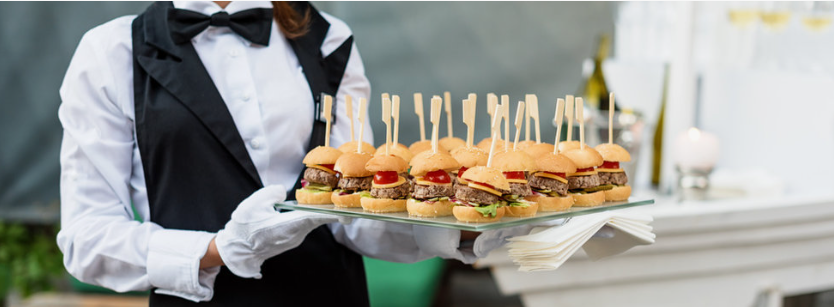
Food serves as a foundational element in human socialization, functioning as a powerful catalyst for connection and conversation at any organized gathering. When individuals share a meal, the experience triggers psychological and social mechanisms associated with comfort, community, and hospitality. Event planners who recognize food as an interactive medium rather than a logistical necessity can intentionally shape the emotional tone of an occasion. The selection of dishes, the pacing of service, and the overarching culinary theme heavily influence how guests perceive the value of the event and their presence within it. A carefully curated menu communicates respect for the attendees, indicating that their comfort and enjoyment were prioritized during the planning stages.
Consequently, food becomes an anchor for collective memory, binding the shared moments of a specific day to distinct tastes, aromas, and visual presentations that linger long after the event concludes.The sensory input provided by a meal creates a subconscious layer of engagement that text or speeches cannot replicate. A menu that features local ingredients can ground an international conference in its host city, providing a sense of place and cultural context. Alternatively, a menu inspired by historical eras can reinforce the thematic narrative of an anniversary celebration or cultural exhibition. By mapping the culinary journey to the psychological phases of the event.
Aligning Culinary Concepts with Event Objectives
Every gathering possesses a unique objective, whether it is celebrating an organizational milestone, fostering professional relationships, or launching a new initiative. The dining structure must align with these core goals to ensure organizational cohesion and programmatic success. For instance, a formal gala requires an elegant, multi-course plated dinner that encourages guests to remain seated and focused on a centralized stage or keynote presentation. Conversely, a networking workshop benefits from interactive food stations or passed small bites that encourage movement and fluid conversation across the room. When the culinary format mirrors the intended flow of the event, it reinforces the organizational message without distracting from the primary agenda. Planners must evaluate the demographic composition of the guest list, the venue constraints, and the time of day to determine the most appropriate culinary framework.
Furthermore, the timing of the meal service within the event schedule requires strategic orchestration. Serving a heavy meal immediately prior to a critical strategy session can result in widespread fatigue among participants, reducing engagement and retention. Introducing light, protein-rich items during morning intervals and reserving more indulgent options for evening receptions helps manage energy levels effectively. Aligning the menu architecture with the event timeline transforms the food from a passive interval into an active contributor to the day's productivity.
Strategic Menu Construction and Culinary Balance
Constructing a successful menu demands a deep understanding of nutritional balance, seasonal availability, and dietary inclusivity. Modern events require menus that accommodate diverse health requirements, including vegetarian, vegan, gluten-free, and allergen-conscious profiles, without compromising on presentation or flavor. In the context of large-scale corporate catering events, balancing high-volume production with culinary precision is essential to maintaining food temperature and quality across hundreds of servings simultaneously. Rather than treating alternative diets as an afterthought, integrating versatile dishes into the core menu ensures that every attendee feels included and respected. The progression of flavors should move logically from light, refreshing appetizers to rich, substantial main courses, concluding with a balanced dessert that satisfies without causing lethargy. Achieving this equilibrium involves careful ingredient selection and rigorous coordination between the culinary team and service staff.
Menu balance also extends to the complexity of the ingredients chosen for the occasion. Incorporating exotic elements can add sophistication, but maintaining a foundation of recognizable, comforting flavors ensures broad appeal across a diverse audience. Culinary teams must balance innovation with accessibility, ensuring that dishes are easy to consume in a social setting. Avoiding excessively messy items or foods that require complex manipulation allows guests to maintain their dignity and focus on social interactions while dining.
Visual Aesthetics and Interactive Service Formats
The visual presentation of food plays a critical role in the initial perception of quality, as guests consume meals with their eyes before the first bite occurs. Contemporary event dining emphasizes clean lines, vibrant colors, and architectural plating techniques that elevate simple ingredients into visual art. Beyond individual plates, the design of buffet tables, food stations, and grazing boards should complement the overall decorative theme of the venue. Interactive formats, such as live chef demonstrations, customized carving stations, or build-your-own dessert bars, add an element of entertainment to the dining experience. These formats invite guests to participate actively in their meal preparation, breaking down social barriers and creating natural talking points among strangers.
The movement and energy generated by interactive service styles contribute significantly to a dynamic and engaging event atmosphere.In addition to the food itself, the selection of tableware, linens, and presentation vessels serves to reinforce the aesthetic goals of the gathering. Utilizing sustainable materials, such as bamboo platters or recycled glassware, can subtly signal an organization's commitment to environmental responsibility. The lighting surrounding food displays must also be carefully calibrated to enhance natural colors and textures, making the setups inviting. By treating the food presentation as an extension of the event's interior design, planners create a cohesive visual landscape that enhances overall guest satisfaction.
Operational Precision and Hospitality Logistics
Behind every successful event dining experience lies a complex network of logistical operations that must execute flawlessly to ensure guest satisfaction. Timing is perhaps the most sensitive variable in hospitality management, requiring strict synchronization between kitchen staff and front-of-house servers. Dishes must arrive at tables at their optimal consumption temperatures, ensuring that hot elements remain hot and chilled elements do not wilt under ambient room conditions. This requires sophisticated mobile kitchen equipment, strategic layout planning, and clear communication channels among all operational personnel. Furthermore, the ratio of service staff to guests must be sufficient to provide attentive care without creating an oppressive or overly formal presence.
When service executes smoothly in the background, guests can immerse themselves fully in the event, unaware of the immense coordination required to sustain their comfort.Logistical precision also encompasses the management of unexpected variables, such as sudden shifts in the event timeline or fluctuations in attendance. Experienced culinary teams maintain contingency plans, preparing additional components that can be deployed rapidly if needed. The backend infrastructure, including waste management and sanitation stations, must be positioned discreetly to avoid disrupting the guest experience. By mastering these invisible operational details, hospitality professionals create a reliable environment where the culinary presentation can succeed without interruption.
Enhancing Your Events with OrderCatering
Managing the myriad details of event hospitality requires a dependable partner with proven expertise in culinary execution and logistical planning. Designing, preparing, and serving meals for large groups can quickly overwhelm internal resources, pulling focus away from primary event objectives. For organizers seeking an efficient, professional solution to event dining logistics, utilizing provides a comprehensive system for menu curation and reliable delivery.
The platform connects clients with specialized culinary solutions tailored to the specific scale, theme, and dietary requirements of any gathering. By delegating food production and service coordination to experienced specialists, you ensure that every dish meets rigorous quality standards, arriving fresh and beautifully presented to create a lasting impression on your guests.
Conclusion
Thoughtful event dining is a multi-faceted discipline that directly influences the success and memory of any gathering. From the initial conceptual alignment to the meticulous execution of service logistics, every decision shapes the guest experience. By prioritizing nutritional balance, visual appeal, inclusivity, and operational precision, event organizers can transform a standard meal into an impactful instrument of hospitality. When food is treated with the same strategic importance as the venue or the guest speakers, it elevates the entire occasion, leaving a lasting, positive impression on all who attend.

 English
 Arabic
 Français
 Español
 Português
 Deutsch
 Türkçe
 Dutch
Dutch
 Italiano
 Russian