


LIC Merchant Portal Security Tips: Protect Your Account from Fraud
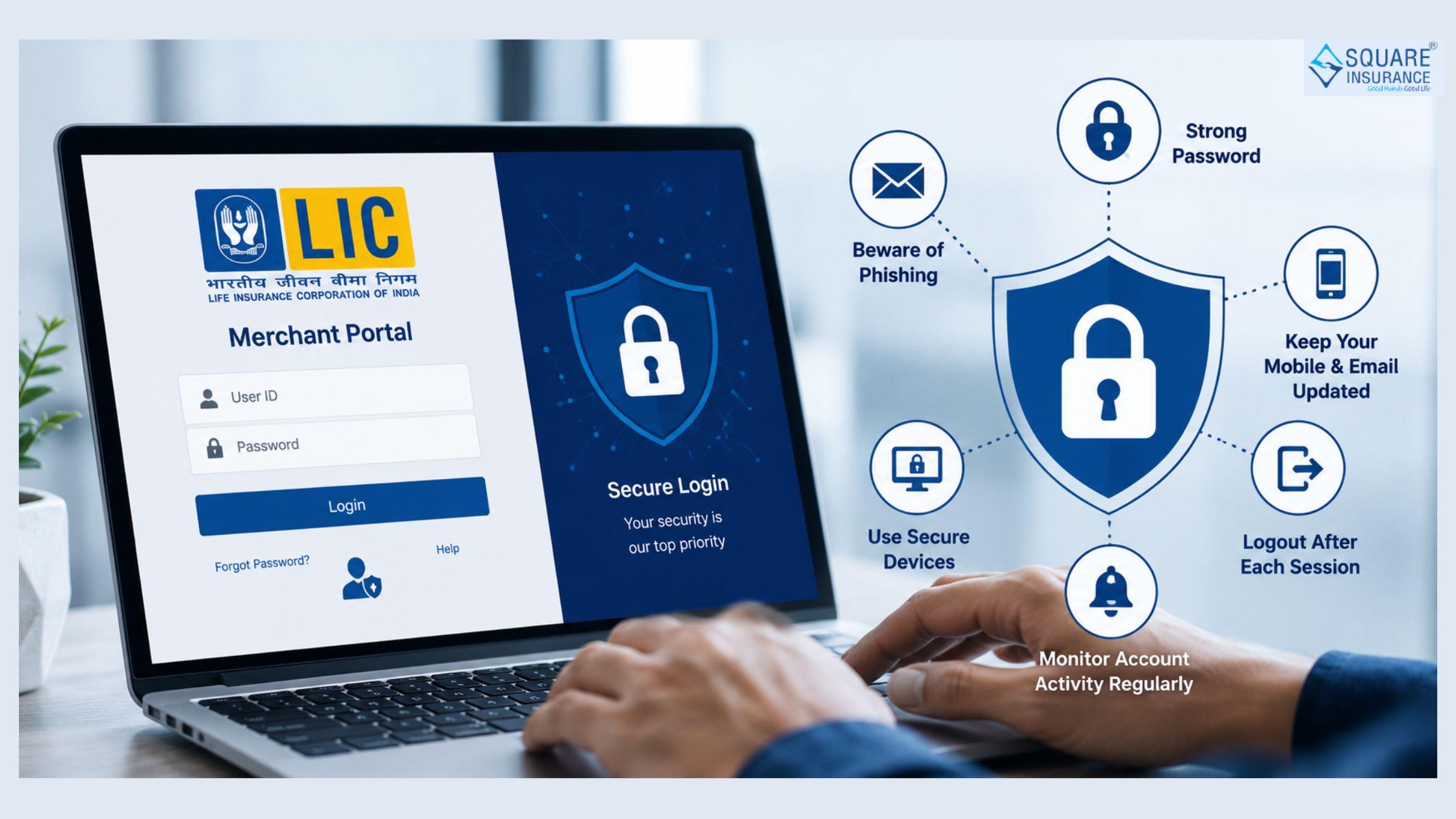
The LIC Merchant Portal has become an important platform for merchants who handle premium collections and customer transactions. It simplifies daily tasks, improves efficiency, and allows merchants to provide quick services to policyholders. However, as digital platforms continue to grow, cyber threats and online fraud attempts are becoming increasingly common.
Fraudsters are constantly looking for opportunities to gain unauthorized access to accounts through phishing scams, weak passwords, fake websites, and social engineering tactics. A compromised merchant account can lead to financial losses, misuse of customer information, and disruptions in daily operations.
The good news is that protecting your LIC Merchant Portal login account doesn't require advanced technical skills. By following a few simple security practices, you can significantly reduce the risk of fraud and keep your account safe.
Use a Strong and Unique Password
The first level of protection against unwanted access is your password. Unfortunately, many users still rely on easy-to-guess passwords such as birth dates, names, or simple number combinations.
A strong password should contain:
- A mix of uppercase and lowercase letters
- Numbers
- Special characters
- At least eight to twelve characters
Avoid using the same password across multiple websites. If one account is compromised, using identical credentials elsewhere can expose all your online accounts.
Changing your password periodically adds another layer of protection.
Never Share Your Login Credentials
No legitimate support representative should ask for your complete password. If someone contacts you claiming to be from an official department and requests login details, treat it as a warning sign.
Never share:
- User ID
- Password
- OTPs
- Security answers
- Verification codes
Even trusted colleagues should not have unrestricted access to your credentials. Your account activity is linked directly to your merchant identity, making confidentiality essential.
Beware of Phishing Emails and Messages
Phishing remains one of the most common methods used by cybercriminals.
Fraudsters often send emails, SMS messages, or WhatsApp texts pretending to be official communications. These messages typically urge users to click suspicious links, update account details urgently, or verify credentials.
Before responding:
- Check the sender's information carefully.
- Avoid clicking unfamiliar links.
- Verify requests through official communication channels.
- Ignore messages that create unnecessary panic or urgency.
Taking a few extra moments to verify authenticity can prevent serious consequences.
Access Only the Official Portal
Cybercriminals sometimes create fake websites that closely resemble legitimate portals. Unsuspecting users may unknowingly enter their credentials on these fraudulent pages.
Always ensure you are accessing the official portal by:
- Typing the website address manually.
- Using trusted bookmarks.
- Checking for secure connections indicated by "https."
- Reviewing the URL carefully for spelling errors.
A single misplaced letter in a web address can lead to a fake website designed to steal information.
Keep Your Devices Updated
Software updates often include important security patches that address vulnerabilities.
Using outdated systems increases the chances of exploitation by malicious programs.
Ensure that your:
- Operating system is updated.
- Browser is running the latest version.
- Antivirus software remains active.
- Security applications receive regular updates.
Keeping devices current helps maintain a secure digital environment.
Avoid Public Wi-Fi for Sensitive Transactions
Public internet networks found in cafes, airports, and shopping centers are convenient but may not always be secure.
Hackers can intercept data transmitted over unsecured connections.
Whenever possible:
- Use private internet connections.
- Enable mobile data if necessary.
- Consider using a trusted virtual private network (VPN).
Protecting your connection is just as important as protecting your password.
Log Out After Every Session
Leaving your account logged in on a shared or unattended device can create unnecessary risks.
Make it a habit to:
- Sign out after completing tasks.
- Close the browser window.
- Avoid selecting "Remember Password" on public systems.
This simple practice minimizes the possibility of unauthorized access.
Monitor Account Activity Regularly
Many users only pay attention to their accounts when a problem occurs. Regular monitoring can help identify suspicious activity early.
Review your account periodically and look for:
- Unrecognized transactions.
- Unexpected login attempts.
- Changes you didn't authorize.
- Missing information.
Early detection allows quicker responses and limits potential damage.
Enable Additional Verification Measures
If additional verification features are available, use them.
Security measures such as OTP-based verification add another barrier between fraudsters and your account. Even if someone obtains your password, secondary authentication can prevent unauthorized access.
Always keep your registered mobile number and email address updated to receive important alerts and notifications.
What to Do If You Suspect Fraud
Despite taking precautions, it's important to know how to respond if you notice suspicious activity.
Take immediate action by:
- Changing your password immediately.
- Logging out of all active sessions.
- Reporting unusual activity through official support channels.
- Monitoring future transactions carefully.
- Updating security settings where applicable.
Acting quickly can reduce the impact of potential fraud attempts.
Conclusion
As more services move online, digital security has become a shared responsibility. The LIC Merchant Portal offers convenience and efficiency, but merchants must remain vigilant against evolving fraud tactics. Strong passwords, cautious online behavior, secure internet practices, and regular account monitoring can go a long way in protecting valuable information.
Cybercriminals often rely on carelessness rather than sophisticated technology. By adopting smart security habits and staying alert to warning signs, merchants can continue using the portal with confidence and peace of mind.
Protecting your account isn't just about safeguarding transactions—it's about preserving trust, maintaining professionalism, and ensuring uninterrupted service for the customers who depend on you every day.

 Arabic
 Français
 Español
 Português
 Deutsch
 Türkçe
 Dutch
Dutch
 Italiano
 Russian
 Romaian