


Do Teeth Aligners Hurt?
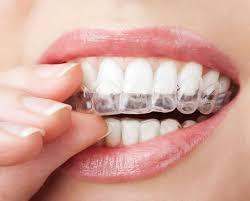
Many people considering orthodontic treatment worry about pain and discomfort. A straighter smile is certainly appealing, but concerns about soreness often make patients hesitant to begin treatment. With the growing popularity of clear aligners, one of the most frequently asked questions is whether they hurt. If you are considering Teeth Aligners in Islamabad, understanding what to expect can help you feel more confident about the treatment process.
The good news is that aligners are generally considered more comfortable than traditional braces. While some level of pressure and temporary discomfort is normal as teeth move into new positions, severe pain is uncommon. Most patients find aligners easy to adapt to and appreciate the convenience they offer throughout treatment.
Understanding How Aligners Move Teeth
Aligners work by applying gentle and controlled pressure to specific teeth. This pressure encourages the teeth to gradually shift into their desired positions over time.
The movement process involves the bone and tissues surrounding the teeth adapting to these changes. Since teeth do not move instantly, aligners are designed to create gradual adjustments that are both safe and effective.
Because aligners rely on continuous pressure, patients may occasionally feel mild discomfort. However, this sensation is usually temporary and is often described as pressure rather than pain.
Why Some Discomfort Is Normal
Orthodontic treatment of any kind requires teeth to move. Whether using braces or aligners, some level of sensitivity is expected because the supporting structures around the teeth are responding to the applied force.
When aligners begin moving teeth, the surrounding tissues temporarily adapt to the new position. This adjustment process can create mild soreness for a short period.
Many patients actually view this sensation as reassurance that the treatment is working as intended.
The discomfort is usually manageable and does not interfere significantly with daily activities.
What Does Wearing Aligners Feel Like?
Most people describe the feeling of wearing aligners as pressure or tightness rather than sharp pain.
When a new aligner is first inserted, it may feel snug because it is designed to continue moving the teeth according to the treatment plan. This pressure is typically strongest during the first one or two days after switching to a new aligner.
As the teeth gradually adjust, the sensation decreases and eventually becomes barely noticeable.
Patients often become accustomed to wearing aligners within a very short period.
The First Week of Treatment
The beginning of treatment is usually when patients notice the greatest adjustment.
During the first few days, you may experience:
- Mild pressure on the teeth
- Increased awareness of the aligners
- Slight tooth sensitivity
- Minor changes in speech
- Temporary discomfort when removing aligners
These effects are generally short-lived. Most individuals adapt quickly and find that the aligners become a normal part of daily life.
After the initial adjustment period, many patients barely notice they are wearing them.
Changing to a New Aligner
Throughout treatment, patients switch to a new aligner every one to two weeks, depending on their treatment plan.
Each new aligner is slightly different from the previous one because it is designed to continue tooth movement. As a result, a temporary feeling of pressure often returns whenever a new aligner is inserted.
This pressure usually lasts for a few days and then gradually subsides.
The sensation is generally milder than what patients experience during the first aligner stage because they have already adapted to the treatment process.
How Aligners Compare to Braces
Many patients choose aligners because they are typically more comfortable than traditional braces.
No Metal Components
Braces contain brackets and wires that may irritate the cheeks, lips, and gums. Aligners are made from smooth plastic, reducing the risk of soft tissue irritation.
Fewer Emergency Issues
Broken wires and loose brackets can cause discomfort and require unexpected dental visits. Aligners do not have these components, making treatment more predictable.
Gentle Pressure
Aligners use carefully controlled forces to move teeth gradually, often resulting in a more comfortable experience overall.
For these reasons, many patients find aligners easier to tolerate than conventional orthodontic appliances.
Factors That Influence Discomfort
Not every patient experiences the same level of sensitivity during treatment.
Several factors can influence comfort levels.
Complexity of the Case
Patients requiring significant tooth movement may experience more noticeable pressure during certain treatment stages.
Individual Pain Tolerance
Everyone responds differently to orthodontic treatment. Some people notice very little discomfort, while others may be more sensitive to pressure.
Consistent Wear
Wearing aligners for the recommended 20 to 22 hours per day helps maintain steady tooth movement. Frequent removal can sometimes make re-insertion feel more uncomfortable.
Proper Fit
Custom-made aligners are designed to fit accurately. Properly fitted aligners generally provide a more comfortable experience.
Tips for Managing Temporary Discomfort
Although aligner discomfort is usually mild, there are several ways to make the adjustment period easier.
Wear New Aligners Before Bed
Many patients prefer switching to a new aligner at night. This allows them to sleep through the initial adjustment period and wake up with less awareness of the pressure.
Stay Consistent
Following the recommended wear schedule helps prevent unnecessary sensitivity caused by repeatedly removing and reinserting the aligners.
Maintain Good Oral Hygiene
Healthy teeth and gums often respond better to orthodontic treatment. Brushing and flossing regularly can help keep the mouth comfortable.
Follow Professional Instructions
Attending regular checkups and following your dentist's recommendations can help ensure a smooth treatment experience.
Emotional Comfort Matters Too
Comfort is not only physical. Many patients appreciate aligners because they are nearly invisible.
Unlike traditional braces, aligners allow individuals to smile confidently during treatment. This discreet appearance often reduces self-consciousness and makes the overall experience more enjoyable.
The ability to improve a smile without obvious orthodontic appliances is one of the reasons aligners have become so popular among adults and teenagers alike.
Long-Term Benefits Outweigh Temporary Discomfort
Any mild discomfort associated with aligners is typically temporary, while the benefits can last for many years.
A straighter smile may improve:
- Oral hygiene
- Bite function
- Dental health
- Appearance
- Self-confidence
Most patients feel that the brief periods of pressure are well worth the long-term improvements achieved through treatment.
Conclusion
So, do aligners hurt? In most cases, they cause only mild and temporary discomfort rather than significant pain. Teeth Aligners in Islamabad are designed to move teeth gradually using controlled pressure, making them a comfortable alternative to traditional braces.
While patients may notice tightness or sensitivity when beginning treatment or switching to a new aligner, these sensations usually fade within a few days. With their smooth design, discreet appearance, and patient-friendly approach, aligners continue to be one of the most comfortable and effective orthodontic solutions available for achieving a healthier, straighter smile.
|
For more information visit Enfield royal clinic in islamabad
|

 English
 Arabic
 Français
 Español
 Português
 Deutsch
 Türkçe
 Dutch
Dutch
 Italiano
 Romaian