


Conoscope Lens: Working Principle, Problems & Industrial Uses Explained
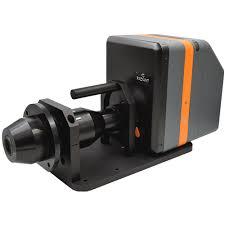
A conoscope lens is a specialized optical tool used to study light behavior, viewing angles, and display quality. It is widely used in industries like optics, AR/VR, display manufacturing, and scientific research.
Many engineers and B2B buyers face problems such as:
- Why display colors change at different angles
- How to measure viewing angle performance
- Why some optical systems show uneven brightness
- How to test light distribution accurately
A conoscope lens helps solve these problems by analyzing how light behaves from different angles in a precise way.
What is a Conoscope Lens?
A conoscope lens is an optical measurement lens used to capture and analyze the angular distribution of light.
In simple words, it helps engineers see:
- How light spreads from a display or surface
- How colors change at different viewing angles
- How brightness behaves in different directions
It is commonly used in optical testing systems and display calibration equipment.
Why Conoscope Lenses are Important in Industry
Modern devices like smartphones, AR glasses, monitors, and automotive displays must show accurate colors from all angles.
Without proper testing, industries face issues like:
- Color shifting on screens
- Uneven brightness distribution
- Poor viewing experience
- Product quality complaints
- Failed quality control tests
A conoscope lens helps engineers measure and fix these problems during product development.
How a Conoscope Lens Works (Simple Explanation)
A conoscope lens works by capturing light from many angles at the same time.
Step 1: Light Collection
The lens collects light emitted from a display or optical surface.
Step 2: Angular Mapping
It maps light intensity based on angle and direction.
Step 3: Image Formation
The system creates a pattern or image showing how light behaves in all directions.
This allows engineers to analyze viewing performance in detail.
Key Problems Solved by Conoscope Lenses
1. Viewing Angle Issues
Helps identify how brightness and color change at different angles.
2. Color Distortion
Detects incorrect color reproduction in displays.
3. Uneven Brightness
Shows brightness differences across viewing angles.
4. Quality Control Failures
Helps manufacturers improve product consistency.
5. Design Optimization Problems
Supports engineers in improving optical system design.
Industrial Applications of Conoscope Lenses
1. Display Manufacturing
Used in smartphones, tablets, and monitors to test screen quality.
2. AR/VR Devices
Helps optimize near-eye display performance.
3. Automotive Displays
Used in dashboard screens and infotainment systems.
4. Optical Research
Used in labs to study light behavior and materials.
5. LED Lighting Industry
Helps analyze light distribution patterns.
Advantages of Using Conoscope Lenses
High Precision Measurement
Captures accurate angular light data.
Fast Testing
Allows quick evaluation of display performance.
Non-Destructive Testing
Does not damage the product during analysis.
Improved Product Quality
Helps engineers optimize display performance.
Better Design Control
Supports advanced optical design decisions.
Limitations of Conoscope Lenses
1. High Cost
Advanced optical systems are expensive.
2. Complex Setup
Requires trained engineers for accurate results.
3. Limited Use Case
Mostly used in optical and display industries only.
4. Sensitive Calibration
Needs proper alignment for accurate measurements.
Conoscope Lens vs Regular Optical Lenses
| Feature | Conoscope Lens | Regular Lens |
|---|---|---|
| Purpose | Angular light analysis | Image focusing |
| Output | Light distribution data | Visual image |
| Usage | Testing & measurement | Photography & optics |
| Complexity | High | Low |
| Industry Use | Display & research | General optics |
Why Conoscope Lenses Matter for B2B Buyers
For manufacturers and industrial buyers, product quality depends on accurate testing tools.
Conoscope lenses help:
- Improve display product quality
- Reduce production defects
- Ensure consistent performance
- Meet international quality standards
- Build better optical systems
Just like precision components in mechanical systems (such as bearings ensure smooth movement), conoscope lenses ensure accurate optical performance and reliability.
Future of Conoscope Lens Technology
The demand for advanced optical testing is growing due to:
- Growth of AR/VR devices
- High-resolution display technology
- Automotive smart screens
- Micro LED and OLED advancements
- AI-based optical analysis systems
Future conoscope systems will likely include:
- Faster digital analysis
- AI-based defect detection
- Higher resolution angular mapping
- Compact lab equipment designs
Conclusion
A conoscope lens is a powerful optical measurement tool used to analyze how light behaves from different angles. It is essential for industries that produce displays, optical systems, and advanced lighting solutions.
For B2B buyers and manufacturers, it plays a key role in improving product quality, reducing defects, and ensuring accurate performance.
In modern optical engineering, conoscope lenses are a critical part of quality control and innovation.

 English
 Arabic
 Français
 Español
 Português
 Deutsch
 Türkçe
 Dutch
Dutch
 Italiano
 Romaian