


ADHD Medication Options That Support Better Concentration
Introduction
Attention-related challenges can affect people of all ages, making daily activities more difficult than they should be. Students may struggle to complete assignments, adults can find it hard to stay productive at work, and even simple conversations may become overwhelming when focus constantly drifts away. Concentration issues linked to attention disorders are not always caused by laziness or lack of discipline. In many cases, they are connected to neurological differences that require structured support and professional guidance.
Modern healthcare offers several ways to improve concentration and cognitive performance for individuals living with attention disorders. Lifestyle changes, therapy, educational support, and medical care all play important roles in helping people achieve stability and better focus. Among these methods, medication remains one of the most widely discussed solutions because it can significantly improve attention span and impulse control when prescribed correctly.
Understanding Why Concentration Problems Occur
People who experience ongoing focus-related difficulties often struggle with brain regulation involving attention, planning, and self-control. These issues can impact learning, communication, time management, and emotional balance. Concentration problems may appear differently depending on age and environment.
Children might become restless in classrooms, while adults may constantly switch tasks without completing them. Forgetfulness, distraction, and poor organization can slowly interfere with confidence and long-term success. Early recognition is important because proper support can improve academic performance, relationships, and emotional well-being.
Common Signs That Affect Daily Focus
Many individuals do not realize how strongly attention difficulties can influence routine activities. Concentration challenges are often misunderstood as personality traits rather than medical concerns. Recognizing behavioral patterns can help families and healthcare providers identify when professional assessment is necessary.
Mental Distraction and Lack of Attention
People with attention-related conditions may lose track of conversations, forget instructions, or avoid tasks requiring sustained focus. They often begin projects enthusiastically but struggle to complete them due to wandering thoughts or mental fatigue.
Difficulty Managing Responsibilities
Time management issues are common among people with attention disorders. Missing deadlines, losing personal items, or becoming overwhelmed by small responsibilities can affect school performance and workplace productivity.
Emotional and Social Challenges
Frustration caused by poor concentration may lead to emotional stress. Individuals sometimes become impatient, impulsive, or easily irritated when they cannot organize their thoughts effectively.
In many clinical evaluations, healthcare professionals review Symptoms of ADHD carefully before deciding on a suitable care strategy.
The Role of Medication in Improving Focus
Medical treatment can help regulate neurotransmitters in the brain that control attention and behavior. When prescribed properly, medication may improve concentration, reduce impulsiveness, and increase the ability to stay engaged with tasks for longer periods.
Different individuals respond to medications in unique ways. Some experience rapid improvement, while others may require gradual dosage adjustments before noticeable changes occur. Doctors typically monitor progress closely to ensure effectiveness and minimize side effects.
The purpose of medication is not to change a person’s personality. Instead, it helps create mental stability so individuals can use their natural abilities more effectively in school, work, and personal life.
Types of Medicines Commonly Prescribed
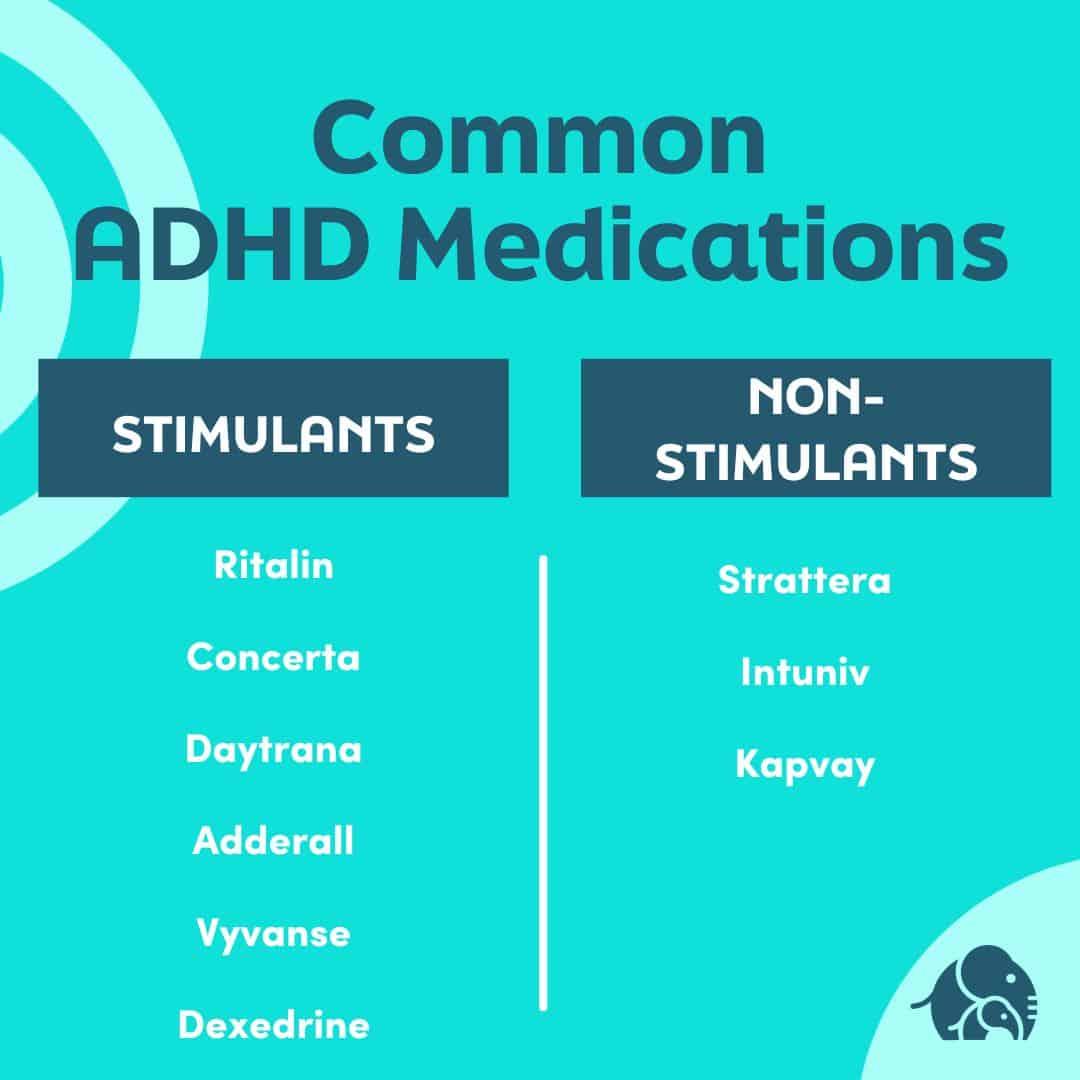
There are several categories of medications designed to help manage attention-related difficulties. Each option works differently within the brain, which is why personalized medical guidance is essential.
Stimulant-Based Medicines
Stimulants are among the most commonly prescribed options for improving concentration. They increase certain brain chemicals associated with alertness and self-control. Many individuals notice improved focus and reduced impulsive behavior after beginning stimulant therapy.
These medications are available in both short-acting and extended-release forms. Extended-release options are often preferred because they provide longer symptom control throughout the day.
Non-Stimulant Alternatives
Some individuals cannot tolerate stimulant medications due to side effects or medical conditions. Non-stimulant options may help improve concentration more gradually while still supporting attention and emotional regulation.
Doctors may recommend these alternatives for patients with anxiety concerns, sleep difficulties, or sensitivity to stimulant ingredients.
Personalized Medical Decisions
Healthcare providers consider age, medical history, lifestyle, and symptom severity before selecting a prescription. Adjustments may be required over time to achieve the best results.
Many families discuss the benefits and risks of ADHD Medication with healthcare specialists before beginning a treatment plan.
Lifestyle Habits That Strengthen Concentration
Medication alone may not fully solve concentration challenges. Healthy daily routines can greatly improve long-term mental performance and emotional stability.
Sleep and Brain Function
Consistent sleep schedules support memory, learning, and focus. Lack of sleep may worsen distraction and impulsive behavior, even for individuals already receiving medical care.
Physical Activity and Mental Clarity
Exercise increases blood flow to the brain and supports emotional balance. Activities such as walking, swimming, cycling, or sports can help improve concentration naturally.
Nutrition and Cognitive Support
Balanced meals containing protein, healthy fats, fruits, and vegetables help maintain stable energy levels. Excess sugar and heavily processed foods may contribute to energy crashes and reduced mental focus.
Therapy and Behavioral Support
Professional therapy can teach practical coping strategies that improve organization, planning, and emotional control. Behavioral coaching is especially helpful for children and teenagers who need guidance developing consistent routines.
Parents and teachers can also support progress by creating structured environments with clear expectations and reduced distractions.
Cognitive behavioral therapy may help adults manage stress, negative thinking, and low self-esteem connected to attention difficulties.
Healthcare professionals often combine counseling approaches with Treatment of ADHD to provide more balanced and long-term support.
Choosing the Right Support System
Every individual experiences attention-related difficulties differently. Some people need short-term support during school years, while others benefit from lifelong management strategies. The most effective care plans are personalized rather than generic.
Family involvement, educational accommodations, and regular medical monitoring all contribute to successful outcomes. Open communication between patients and healthcare providers helps identify which approaches are producing the best improvements.
People should never begin or stop medication without professional supervision. Safe and effective care depends on accurate diagnosis, medical evaluation, and ongoing monitoring.
Building Confidence Through Better Focus
Improved concentration can positively influence nearly every area of life. Individuals who gain better control over attention often experience stronger academic performance, increased workplace productivity, healthier relationships, and greater self-confidence.
Progress may take time, especially when adjusting to new routines or medications. However, with proper guidance and consistent support, many people develop effective coping skills that allow them to thrive both personally and professionally.
Understanding available treatment options empowers families and individuals to make informed decisions about their future. With the right combination of medical care, healthy habits, and emotional support, better concentration and improved quality of life are achievable goals.

 English
 Arabic
 Français
 Español
 Português
 Deutsch
 Türkçe
 Dutch
Dutch
 Russian
 Romaian