


Optimizing Undercarriage Reliability for Heavy Equipment
Maintaining the integrity of the undercarriage is essential for the longevity and consistent performance of any track-driven machine, and the Carrier Roller stands out as a fundamental component in this system. By providing continuous support to the track chain as it loops along the top of the track frame, this component ensures that the weight of the track shoes is managed efficiently. This support prevents unnecessary sagging and excessive vibration, allowing the entire drive system to operate with optimal smoothness. When operators prioritize the health of these rollers, they effectively reduce the mechanical stress placed on other critical parts, creating a stable and highly productive machine that is prepared to handle the most demanding ground conditions with ease.
The Engineering Behind Track Guidance
The undercarriage serves as the foundational structure that enables heavy machinery to navigate through rough, unpredictable terrain. Its primary function is to distribute the weight of the machine across the ground, ensuring that power is transferred effectively while maintaining stability. The complexity of this system requires every part, from the track links to the tensioning mechanisms, to be engineered with high-strength materials capable of enduring significant physical pressure.
Engineers focus on creating a harmonious system where friction is minimized and durability is maximized. By utilizing advanced forging and heat-treatment techniques, manufacturers provide components that can withstand extreme environments. A well-maintained undercarriage system is a hallmark of a high-performance machine, reflecting a commitment to safety, efficiency, and long-term equipment health.
Advancing Material Science for Component Durability
The evolution of materials used in heavy equipment manufacturing has been transformative. Early designs relied on standard steel, which often struggled to survive in abrasive environments like rocky quarries or sandy construction sites. Today, industry leaders employ complex casting techniques and specialized surface hardening treatments.
The goal of these material advancements is to create a component that resists deep wear and surface degradation. By utilizing advanced metallurgy, the grain structure of the metal is refined, leading to higher fatigue resistance. This ensures that even under constant, heavy-duty cycles, the geometry of the part remains intact, providing a smooth and precise interface for the moving track chain.
Enhancing Machine Utility with Reliable Components
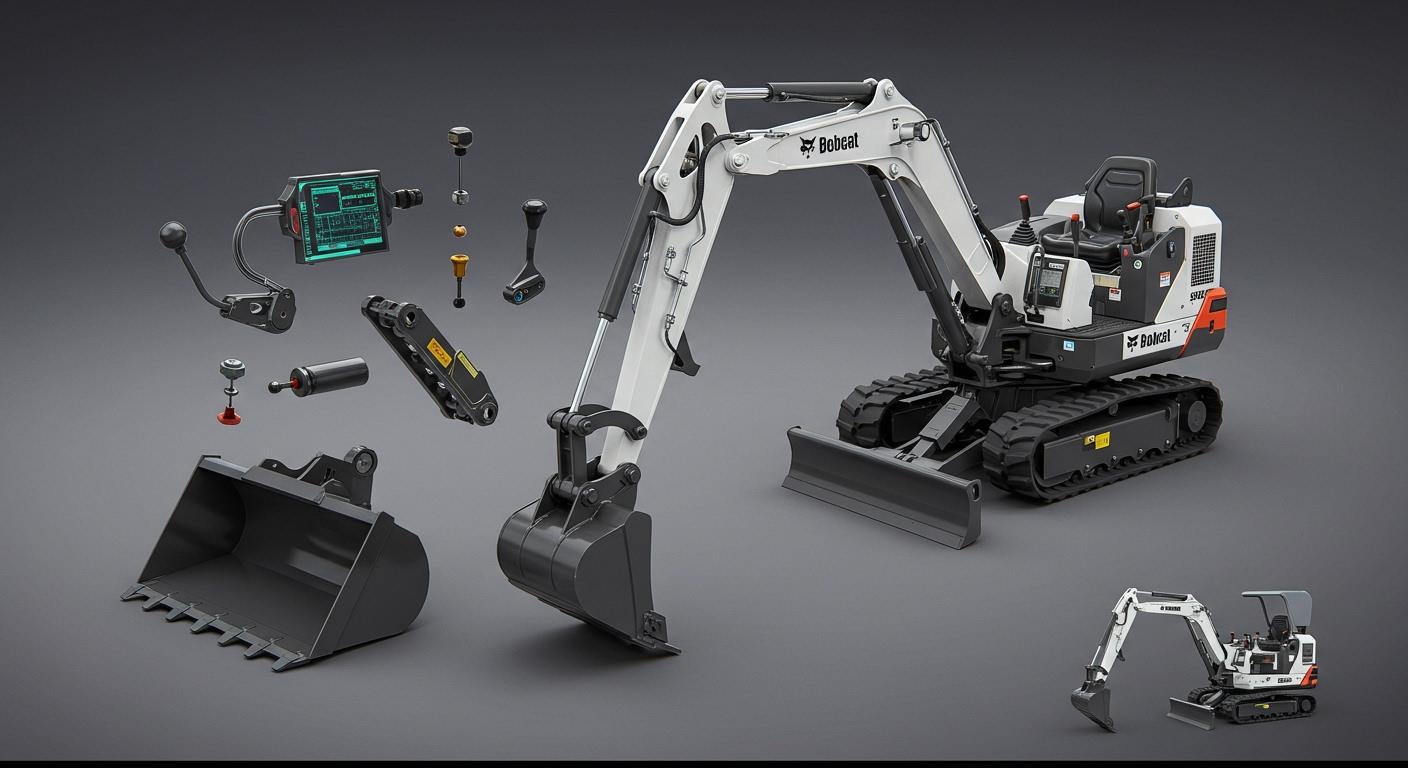
The performance and versatility of compact equipment are largely defined by the quality of the components integrated into the drive system. When owners source high-quality Bobcat Excavator Parts, they are investing in the continued productivity of their fleet. These components are specifically engineered to interface with the unique requirements of the machine, ensuring that hydraulic power and mechanical movement are perfectly synchronized. Using parts designed for the specific machine model helps maintain the manufacturer's performance standards, leading to better handling and improved site efficiency.
The Role of Lubrication and Seal Technology
In the past, manual maintenance was a daily chore that could lead to inconsistent protection. The modern era of "sealed-for-life" technology has revolutionized how we view component care. High-performance synthetic lubricants are now permanently sealed within rollers and idlers using advanced mechanical seals.
These seals are designed to withstand extreme pressures and prevent the ingress of dust, water, and contaminants. This technology ensures that the internal surfaces of the components remain perfectly lubricated for thousands of hours, allowing machines to operate in diverse climates—from freezing tundras to scorching construction sites—without the need for frequent, labor-intensive greasing.
Best Practices for Preventive Maintenance
To extract the maximum value from heavy machinery, a proactive maintenance schedule is essential. Rather than waiting for a component to fail, many operators perform routine inspections focusing on three main areas: seal integrity, surface wear patterns, and bolt torque.
- Seal Integrity: The internal lubrication of rollers is protected by robust seals. Regular checks for oil leaks can prevent internal dry-running, which leads to rapid failure and mechanical strain.
- Wear Pattern Analysis: Observing the wear pattern on the flange or the running surface can indicate if the track is misaligned. Correcting alignment early can save significant costs in premature replacement.
- Debris Management: While modern machines are designed to shed material, regular cleaning of the undercarriage prevents "packing." Packed material puts immense pressure on all rollers and seals, accelerating wear across the board.
Achieving Precision through Proper Alignment
Alignment is the unsung hero of equipment performance. When a track is correctly aligned, it rolls effortlessly over the guiding components. If there is a slight misalignment, the track will rub against the flanges, causing rapid, uneven wear on the metal surfaces.
Correcting alignment is a straightforward process that yields massive dividends. It reduces the horsepower required to move the machine, directly translating into lower fuel consumption and less strain on the hydraulic drive motors. An aligned system is a silent, efficient system, allowing the machine to perform its duties with less noise and higher precision.
Data-Driven Management of Fleet Assets
The industry is currently moving toward a future defined by the "connected" machine. By embedding sensors into the undercarriage, fleet managers can receive real-time data on the health of their equipment. These sensors can monitor heat buildup, indicating a failing bearing or an over-tightened track. This proactive data stream allows for "just-in-time" maintenance, ensuring that parts are replaced exactly when they are needed, rather than following an arbitrary calendar schedule. This digital shift is driving the construction industry toward unprecedented levels of efficiency and reliability.
Future Trends in Undercarriage Design
The future of undercarriage technology is trending toward "smart" components. These systems are beginning to provide real-time metrics on wear levels, temperature, and vibration. This information allows for predictive maintenance, where the operator is notified exactly when a component is nearing the end of its service life. This transition to data-driven maintenance is set to further increase the uptime of heavy equipment, making operations more sustainable and efficient than ever before.
Conclusion
The reliability of heavy equipment is inextricably linked to the health of its undercarriage system. By focusing on the quality, installation, and regular maintenance of components like the carrier roller and utilizing high-quality excavator parts, operators can ensure that their machinery performs at an elite level. These parts are the unsung heroes of construction, mining, and earthmoving, quietly enduring immense forces to keep the project moving forward. Through the combination of advanced material science, proper alignment, and consistent maintenance, the longevity of these machines is greatly enhanced, providing a robust return on investment and ensuring that they are ready to meet the challenges of the job site every single day.
Frequently Asked Questions
Why is it important to check the tension of the track regularly?
Proper tension ensures the track doesn't derail while preventing excessive stress on the pins and bushings, which leads to smoother operation and less wear.
How do I know when to replace my rollers?
You should look for signs of surface wear, flattening of the running area, or oil leakage from the seals, which indicates the internal lubricant has been compromised.
Can I mix and match different brands of undercarriage parts?
While it is generally best to stick to a consistent system for optimal fit and wear, high-quality aftermarket parts are designed to be compatible with original equipment standards.
How does cleaning the undercarriage improve longevity?
Cleaning prevents debris from packing into the rollers and moving parts, which reduces the load on seals and prevents the abrasive action of dirt and rock against metal surfaces.
What is the advantage of sealed and lubricated systems?
These systems reduce friction significantly, minimize the frequency of required maintenance, and protect internal components from contamination, leading to a much longer service life.

 English
 Arabic
 Français
 Español
 Português
 Deutsch
 Türkçe
 Dutch
Dutch
 Italiano
 Romaian