


Heating System Installation: A Complete Guide to Efficient Home Comfort
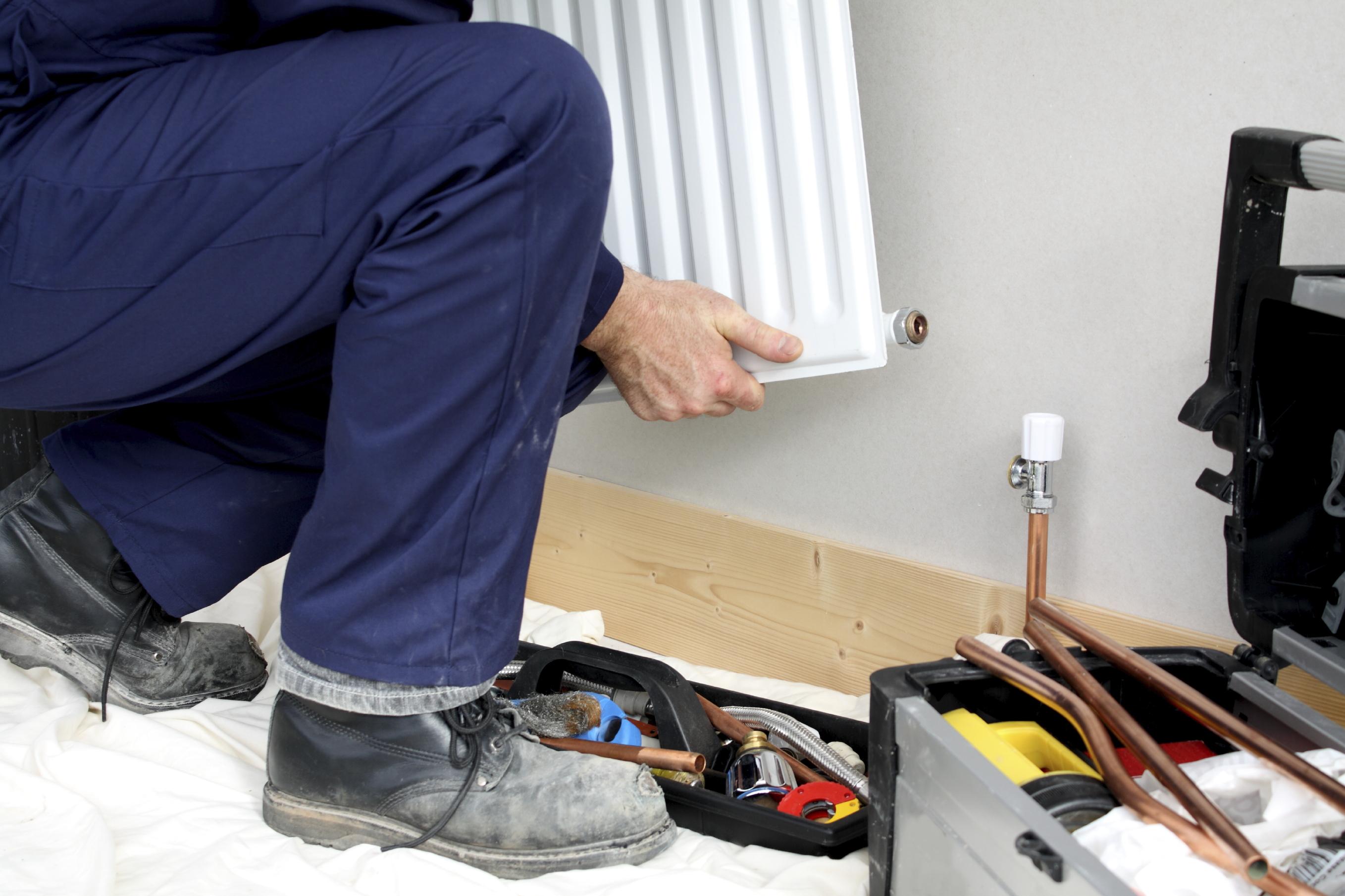
Introduction
A reliable heating system is one of the most important components of a comfortable and energy-efficient home. Whether you are building a new property, replacing an outdated unit, or upgrading to a more modern system, professional heating system installation plays a crucial role in ensuring long-term performance and comfort. A properly installed heating system not only keeps your home warm during colder months but also helps reduce energy costs, improve indoor air quality, and increase property value.
This guide explains everything homeowners need to know about heating system installation, including its benefits, installation process, system types, and maintenance tips.
Why Heating System Installation Matters
Heating systems are designed to maintain a comfortable indoor temperature regardless of outdoor weather conditions. However, even the most advanced heating equipment can underperform if it is installed incorrectly. Proper installation ensures that the system operates efficiently, safely, and according to manufacturer specifications.
Professional installation helps prevent common issues such as uneven heating, excessive energy consumption, frequent repairs, and shortened equipment lifespan. Investing in expert installation services can save homeowners significant time and money in the long run.
Types of Heating Systems Available
Before installing a heating system, it is important to understand the different options available.
Furnace Systems
Furnaces are among the most popular heating solutions for residential properties. They use natural gas, electricity, or oil to generate heat and distribute warm air through ductwork. Modern furnaces are highly efficient and suitable for various home sizes.
Heat Pumps
Heat pumps provide both heating and cooling functions. They transfer heat rather than generate it, making them one of the most energy-efficient options available. Heat pumps are especially effective in moderate climates.
Boilers
Boilers heat water and distribute warmth through radiators, baseboard heaters, or radiant floor systems. They offer consistent heating and are known for their durability and quiet operation.
Radiant Heating Systems
Radiant heating systems warm floors, walls, or ceilings directly. This type of heating creates even temperature distribution and enhances overall comfort throughout the home.
The Heating System Installation Process
A professional heating system installation typically involves several important steps.
Initial Assessment
The process begins with a detailed evaluation of the property. HVAC professionals assess factors such as home size, insulation levels, window placement, and heating requirements to determine the most suitable system.
System Selection
Based on the assessment, experts recommend a heating system that matches the property's needs and budget. Choosing the correct size and capacity is critical for optimal efficiency and performance.
Removal of Old Equipment
If replacing an existing system, technicians safely disconnect and remove outdated equipment. Proper disposal ensures compliance with environmental regulations.
Installation and Configuration
The new heating system is installed according to industry standards. This includes connecting electrical components, gas lines, ductwork, thermostats, and ventilation systems where required.
Testing and Inspection
After installation, technicians thoroughly test the system to verify proper operation. Airflow, temperature output, safety controls, and energy efficiency are carefully inspected before the system is approved for use.
Benefits of Professional Heating System Installation
Improved Energy Efficiency
Modern heating systems are designed to consume less energy while delivering superior performance. Professional installation maximizes efficiency and helps reduce monthly utility bills.
Enhanced Indoor Comfort
A correctly installed heating system distributes warmth evenly throughout the property, eliminating cold spots and temperature fluctuations.
Increased Equipment Lifespan
Proper installation reduces strain on system components, helping equipment last longer and require fewer repairs over time.
Better Indoor Air Quality
Many modern heating systems include advanced filtration features that help reduce dust, allergens, and airborne contaminants, creating a healthier living environment.
Factors to Consider Before Installation
Several factors should be evaluated before selecting a heating system.
Home Size
The size of the property directly impacts the heating capacity required. An oversized or undersized system can result in poor performance and wasted energy.
Energy Source
Homeowners should consider available energy sources such as electricity, natural gas, propane, or oil when choosing a heating system.
Budget
While installation costs vary, focusing on long-term energy savings and reliability often provides better value than selecting the cheapest option.
Climate Conditions
Regional weather patterns influence the effectiveness of different heating systems. A professional installer can recommend the best solution based on local climate conditions.
Importance of Hiring Qualified Professionals
Heating system installation involves complex electrical, mechanical, and safety considerations. Hiring experienced professionals ensures compliance with local building codes and manufacturer guidelines.
Many homeowners also seek additional plumbing and home improvement services during heating upgrades. For example, finding a reliable Faucet installation service near you can be beneficial when renovating kitchens, bathrooms, or utility rooms alongside HVAC improvements.
Qualified technicians possess the expertise, tools, and training necessary to complete installations safely and efficiently while minimizing disruptions to daily life.
Maintenance Tips After Installation
Proper maintenance helps preserve the performance and efficiency of your heating system.
- Replace or clean air filters regularly.
- Schedule annual professional inspections.
- Keep vents and registers free from obstructions.
- Monitor thermostat settings for optimal energy use.
- Address unusual noises or performance issues promptly.
Routine maintenance can prevent costly breakdowns and extend the life of the system.
Conclusion
Heating system installation is a valuable investment that directly impacts comfort, energy efficiency, and overall home performance. Whether you choose a furnace, heat pump, boiler, or radiant heating system, professional installation ensures reliable operation and long-term savings. By selecting the right equipment and working with experienced technicians, homeowners can enjoy consistent warmth and peace of mind for years to come.
Additionally, if your home improvement project includes plumbing upgrades, a trusted Faucet installation service near you can help complete your renovation efficiently and professionally. With proper planning, installation, and maintenance, your heating system will continue delivering dependable comfort throughout every season.

 Arabic
 Français
 Español
 Português
 Deutsch
 Türkçe
 Dutch
Dutch
 Italiano
 Russian
 Romaian