


Understanding How White Gold Maintains Its Signature Color and Shine
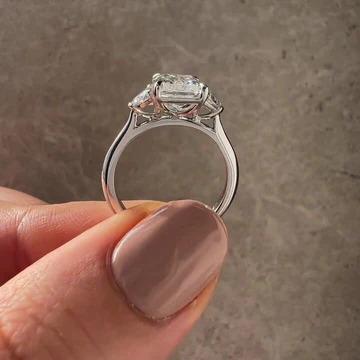
The Lasting Appeal of a Bright and Elegant Precious Metal
Jewelry trends come and go, but certain materials continue to captivate people across generations. Among them, white gold has secured a special place because of its refined appearance, versatility, and ability to complement a wide range of gemstones. Whether featured in engagement rings, wedding bands, earrings, or necklaces, this precious metal is admired for its clean and sophisticated look.
Many jewelry buyers are drawn to white gold because it offers a modern alternative to traditional yellow gold while maintaining the value and prestige associated with gold jewelry. Its bright appearance often resembles platinum, yet it provides a different balance of characteristics that appeal to many consumers.
Despite its popularity, there is often confusion about how white gold gets its color and why it maintains its shine over time. Understanding its composition and finishing process can help buyers make informed decisions when selecting jewelry pieces that match their personal style and long-term expectations.
The Composition Behind Its Distinctive Appearance
Gold in its natural state is yellow. To achieve the lighter appearance associated with white gold, pure gold is blended with other metals. Since pure gold is relatively soft, alloying it with stronger metals not only changes its color but also improves durability.
The exact combination of metals can vary depending on the manufacturer and desired characteristics. Common alloying elements include nickel, palladium, silver, and zinc. These metals contribute to creating a lighter-toned alloy that appears significantly different from traditional yellow gold.
For those interested in learning more about the materials involved, you can read more about What Is White Gold Made Of to better understand how different metal combinations influence the final appearance and performance of the jewelry.
The percentage of pure gold remains an important factor. For example, 18K white gold contains 75% pure gold, while the remaining 25% consists of alloy metals. Similarly, 14K white gold contains 58.3% pure gold combined with other metals. These proportions affect not only color but also durability, weight, and overall value.
The resulting alloy creates a naturally lighter shade than yellow gold, forming the foundation for the elegant appearance that many consumers seek.
How White Gold Achieves Its Signature Shine
One of the reasons white gold stands out in fine jewelry is its brilliant surface finish. While the alloy itself is lighter than yellow gold, it is not naturally bright white. Instead, jewelers enhance its appearance through an additional finishing process.
A thin layer of rhodium is commonly applied to the surface. Rhodium belongs to the platinum family of metals and is valued for its reflective qualities, durability, and resistance to tarnishing. This coating gives white gold its crisp, bright-white appearance that many people recognize instantly.
The rhodium layer serves several purposes:
-
Enhances brightness and reflectivity.
-
Provides additional protection against scratches.
-
Improves resistance to corrosion.
-
Creates a more uniform and luxurious appearance.
This finishing step is one of the key reasons white gold jewelry often looks exceptionally polished when new. The reflective surface helps gemstones sparkle more prominently and contributes to the metal's contemporary aesthetic.
Unlike some other jewelry materials that can appear dull over time, properly maintained white gold continues to reflect light beautifully, making it a preferred choice for pieces intended to be worn regularly.
Factors That Influence Long-Term Color Retention
Many buyers wonder whether white gold remains white forever. The answer depends largely on wear patterns, maintenance habits, and the condition of the rhodium plating.
Because the rhodium layer sits on the surface, normal daily activities gradually cause it to wear down. The speed at which this occurs varies from person to person. Rings, for example, experience more friction than earrings or pendants because hands come into contact with numerous surfaces throughout the day.
As the plating slowly wears away, the underlying alloy may become more visible. This can create a slightly warmer tone compared to the bright white appearance seen immediately after purchase. However, this process occurs gradually and is a normal part of owning white gold jewelry.
Several factors can affect how quickly the finish changes:
Frequency of Wear
Jewelry worn daily naturally experiences greater exposure to friction and environmental elements. Rings and bracelets typically show signs of plating wear sooner than less frequently worn pieces.
Exposure to Chemicals
Household cleaners, cosmetics, lotions, and certain personal care products can affect the surface finish over time. Limiting unnecessary exposure helps preserve the jewelry's appearance.
Physical Activities
Activities involving heavy hand use, sports, gardening, or manual work can accelerate wear on the outer layer. Removing jewelry during these activities may help maintain its finish.
Storage Practices
Proper storage reduces the risk of scratches and unnecessary contact with harder materials. Individual jewelry pouches or lined boxes provide additional protection.
Although changes in surface appearance may occur naturally over time, white gold remains highly valued because its beauty can be restored through professional maintenance when needed.
Caring for White Gold to Preserve Its Beauty
Proper care plays a significant role in helping white gold maintain its attractive appearance. Fortunately, maintaining white gold jewelry is relatively straightforward and does not require extensive effort.
Routine cleaning helps remove oils, dirt, and residue that accumulate during everyday wear. A gentle cleaning solution combined with a soft brush can help restore brilliance without damaging the metal.
Some practical care recommendations include:
-
Clean jewelry periodically using mild soap and warm water.
-
Dry thoroughly with a soft cloth.
-
Remove jewelry before using harsh cleaning products.
-
Avoid storing multiple pieces together where scratching may occur.
-
Schedule professional inspections when appropriate.
Professional jewelers can also assess the condition of the rhodium plating. If the surface begins to show noticeable wear, replating can restore the bright white appearance that initially attracted many buyers.
Regular maintenance not only enhances visual appeal but can also contribute to the longevity of gemstone settings and other structural components of the jewelry.
Why Jewelry Enthusiasts Continue to Choose White Gold
The enduring popularity of white gold extends beyond its attractive appearance. It offers a combination of elegance, versatility, and practicality that appeals to a broad range of consumers.
Its neutral tone pairs exceptionally well with diamonds and colored gemstones alike. Whether incorporated into minimalist designs or elaborate statement pieces, white gold complements virtually every jewelry style.
Another advantage is its ability to suit different fashion preferences. It can appear contemporary and modern while also fitting seamlessly into classic and timeless designs. This flexibility allows wearers to enjoy their jewelry across changing trends and occasions.
Many consumers appreciate that white gold provides a luxurious look while offering a distinct identity separate from other precious metals. The balance between beauty, durability, and adaptability has helped maintain its position as one of the most sought-after choices in fine jewelry.
At Antiquecut, appreciation for exceptional craftsmanship and premium materials reflects the growing interest in understanding how precious metals contribute to both the beauty and longevity of fine jewelry collections.
Conclusion
White gold remains one of the most admired precious metals because of its sophisticated appearance, remarkable versatility, and lasting appeal. Its distinctive color results from carefully selected alloy metals, while its signature shine comes from a rhodium finish that enhances brightness and protection.
Although normal wear can gradually affect the surface over time, proper care and occasional professional maintenance help preserve its elegant look for years. Understanding how white gold achieves and maintains its appearance allows buyers to make more confident decisions when investing in meaningful jewelry pieces.
Whether chosen for an engagement ring, wedding band, or cherished heirloom, white gold continues to offer a timeless combination of beauty and durability that resonates with jewelry lovers around the world.

 Arabic
 Français
 Español
 Português
 Deutsch
 Türkçe
 Dutch
Dutch
 Italiano
 Russian
 Romaian