


How Local Businesses Can Win With Purposeful Web Design
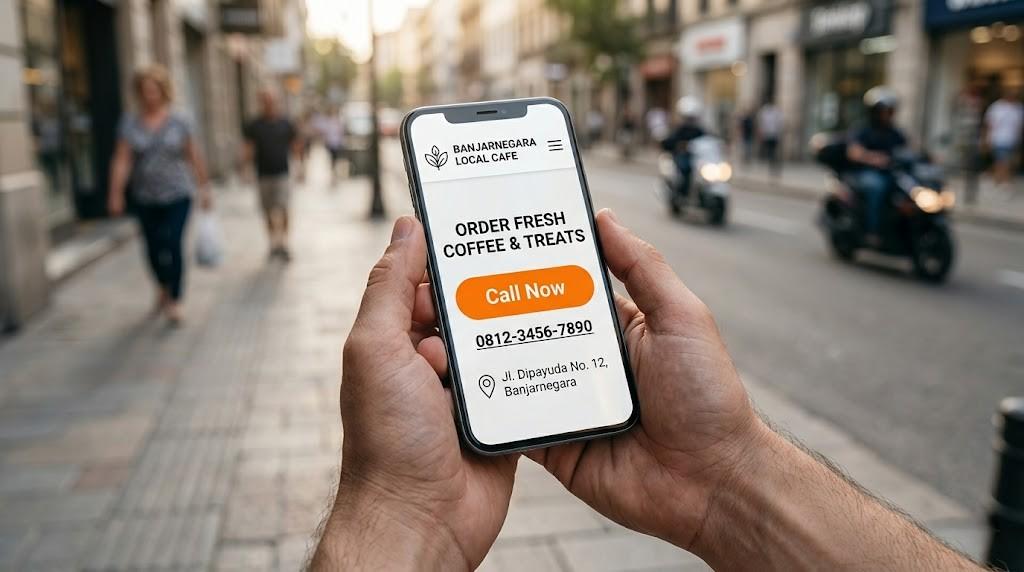
Your website serves as the primary digital gateway for your local business. When community members search for your products or services, your site needs to appear and motivate them to reach out. A strong online presence now drives actual foot traffic, incoming calls, and revenue growth. But simply having a website does not ensure market leadership. To truly win in your local area, you need a site built with deliberate strategy and local focus.
Here is how local businesses can use thoughtful web design to increase visibility, attract nearby customers, and stay ahead of the competition.
Design Around Your Local Community
Global brands design websites for massive, far-reaching audiences. Local businesses must design specifically for their own neighborhoods. Your website should immediately inform visitors about your exact location and the areas you are happy to serve.
Place your city, state, and service zones prominently on your homepage. Never make visitors search for your address or business hours. Include these essential details in your header and repeat them in the footer. When you write your homepage copy, reference local landmarks, street names, or community events if they fit naturally. This approach helps potential customers confirm you are conveniently located. It also sends clear geographical signals to search engines about your service territory.
Mobile-Friendly Design Is Essential
Most local searches originate from mobile phones. Someone might look for an emergency dentist while experiencing sudden tooth pain. Another person might search for a pet groomer while walking their dog. If your website does not function properly on a smartphone, they will quickly move to a competing business.
Mobile optimization goes beyond simply adjusting text to fit smaller screens. Buttons need sufficient size for easy tapping. Navigation should stay clean and straightforward. Your phone number must be tappable to initiate an instant call. Your address should link directly to navigation apps for simple directions. Visitors should never need to pinch or zoom to read content or find details. Load speed also matters significantly. Mobile users have limited patience for slow websites. Compress your images and keep your design minimal to ensure quick page loads.
Build Local SEO Into Your Site Structure
Search engine optimization for a local business differs from general SEO approaches. You need to rank for search terms like "hardware store near me" or "landscaper in [Your City]." Your web design plays a direct role in achieving these rankings. Search engines rely on your website to verify business information. More consistent and clear data leads to stronger local search performance.
Start by optimizing your title tags and meta descriptions. Include your primary service and your city in these elements. Next, create dedicated pages for each core service you offer. Write thorough, helpful descriptions for every service and add local context to each page. This structure communicates your offerings and location clearly to search engines. Your footer must include your full business name, physical address, and phone number—your NAP data. This information must match your Google Business Profile exactly. Even small formatting differences can confuse search algorithms and hurt your rankings.
Establish Credibility Through Visual Quality
Consumers prefer to buy from businesses they perceive as trustworthy. When a new visitor arrives at your website, they make an immediate judgment about your credibility based on its design. An outdated or poorly maintained site suggests your service quality may be similar. A clean, modern design signals that you take your business seriously.
Include clear trust indicators throughout your website. Showcase genuine reviews from real local customers. Written testimonials are beneficial, but video reviews or direct links to your Google profile are more impactful. Introduce your team members. Local business thrives on personal relationships. An "About" page with staff photos helps potential customers feel a connection. Use authentic photography rather than stock images. Real photos of your storefront, employees, and completed work set accurate expectations for visitors.
Keep Navigation Intuitive and Calls to Action Clear
A visually appealing website becomes ineffective if visitors cannot figure out what to do. Every page should guide users toward a specific outcome. Do you want them to call your business? Submit a quote request? Book an appointment? Make that action immediately obvious.
Use contrasting colors for your call-to-action buttons so they grab attention. Use direct, action-oriented text like "Call Today" or "Get a Free Estimate." Limit your main navigation menu to about five or six options. Too many choices overwhelm visitors and cause them to abandon the site. Avoid hiding your contact information. A contact form in the main menu works well, but always display your phone number and email address nearby. Many customers prefer calling directly, especially for time-sensitive needs.
Know When to Engage Professional Expertise
Many local business owners attempt to build their own websites using basic templates. This approach can work for a brand-new business with very limited resources. However, if your goal is genuine market dominance, professional assistance eventually becomes valuable.
Templates often appear generic and fail to distinguish your brand. They frequently load slowly because they contain unnecessary code. They also restrict how much you can optimize for local search engines. An experienced website designer understands visitor behavior and psychology. They know how to direct attention, position buttons effectively, and structure pages to encourage desired actions. They can build a custom site that authentically reflects your business personality.
Seek out a web design company with specific expertise in local marketing. They should understand how to integrate your site with your Google Business Profile. They should know local search ranking factors, not just general web design principles. When interviewing professionals, ask about their mobile optimization techniques. Inquire about their process for incorporating local SEO during the development phase. A competent web design company builds your site as a lead-generation tool, not merely as an online presence.
Bridge Your Online and Offline Worlds
Your website should complement your physical business operations. It should not exist in isolation. If you run radio advertisements, create a dedicated landing page for that specific campaign. Direct listeners to that URL so they see the exact offer they heard on air. This provides a consistent customer experience and simplifies marketing tracking.
Print your website address on receipts, business cards, and signage at your physical location. Consider offering a small incentive for customers who book appointments through your website. This encourages existing clients to use your digital platform and reduces the load on your phone system.
Maintain Your Website Consistently
A website is never truly complete. Markets evolve, businesses expand offerings, and search engines update their criteria. Establish a routine to review your site every few months. Confirm your operating hours remain accurate. Refresh your photos to show recent work or seasonal changes. Add new customer testimonials. Write short updates about seasonal promotions or local events.
Search engines reward websites that show regular activity. A stagnant website signals neglect to both Google and potential customers. Regular updates demonstrate that you are engaged, operational, and ready to serve your community.
You can lead your local market by making it easy for customers to find, trust, and contact you. Provide a fast, clean, mobile-responsive experience, and local consumers will choose you over other options.

 Arabic
 Français
 Español
 Português
 Deutsch
 Türkçe
 Dutch
Dutch
 Italiano
 Russian
 Romaian