


How to Build a Multi-Service App Like Careem in 2026: A Complete Guide
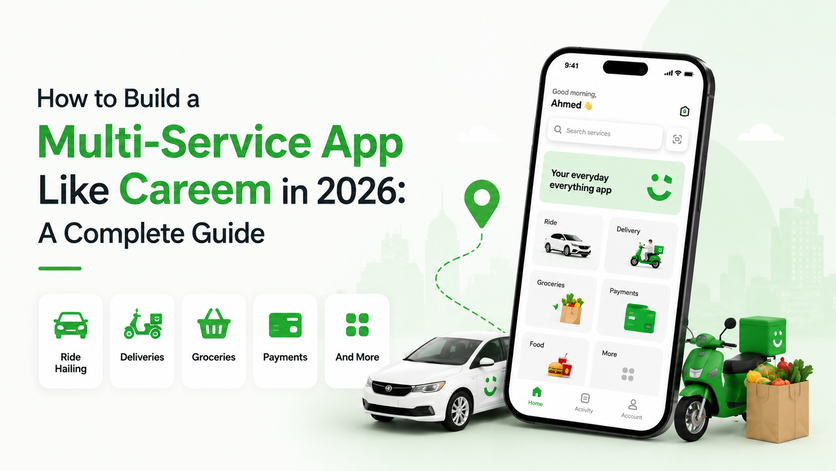
In the rapidly evolving digital landscape of 2026, the demand for multi-service applications continues to grow, driven by users seeking convenience and efficiency in their daily lives. Inspired by success stories like Careem, aspiring entrepreneurs and developers are eager to create multi-service apps that cater to diverse needs, ranging from transportation to food delivery and beyond. However, building a robust, user-friendly multi-service app requires careful planning, strategic market analysis, and a deep understanding of technology and user experience. This complete guide will walk you through the essential steps, features, and strategies needed to successfully launch your multi-service app in today's competitive market.
Understanding the Multi-Service App Model
What is a Multi-Service App?
A multi-service app combines various services into one convenient platform, allowing users to book a ride, order food, schedule appointments, and more—all without needing to leap from one app to another. Think of it like a Swiss Army knife for your smartphone: versatile, handy, and sometimes a little too much to handle if you’re not careful!
Successful Examples and Case Studies
Companies like Careem, Uber, and Grab have mastered the art of multi-service apps. For instance, Careem started with ride-hailing but expanded into food delivery and payments, creating a one-stop-shop for customer needs. Each of these apps has adapted to local markets, proving that a little bit of flexibility can go a long way in capturing user loyalty.
Benefits and Challenges of Multi-Service Apps
The benefits are enticing: user convenience, increased revenue streams, and enhanced customer retention. But it's not all rainbows and unicorns. Challenges include maintaining app performance with diverse services, addressing different user demographics, and the ever-present risk of spreading resources too thin. Finding the balance is like juggling flaming torches while riding a unicycle—impressive when done right, but messy if not!
Market Research and Analysis for 2026
Identifying Target Demographics
Understanding who your users are is step one in building a successful multi-service app. This means diving into age groups, income levels, and tech-savviness. Millennials might prioritize food delivery and ride-hailing, while Gen Z could be all about sustainability and community-focused services. Get to know your audience, and you'll be on your way to crafting services they'll actually want.
Analyzing Competitor Strategies
Keep your enemies closer—well, at least their business strategies. Analyze what successful competitors are doing right (and wrong). Look for gaps in their services or customer pain points. Are they lacking in customer support? Is their app slow to respond? This intel is golden and can help you carve out a niche that stands apart from the sea of competition.
Trends Influencing the Multi-Service Market
In 2026, trends like AI, sustainability, and on-demand services will be shaping the multi-service landscape. Users are increasingly looking for seamless experiences and eco-friendly options. Integrating smart tech like chatbots for customer service or features that promote green practices can give your app a distinct edge in a crowded market.
Defining Your Unique Value Proposition
Identifying Gaps in the Market
What’s missing? Is there an underserved demographic or a service that your competitors haven’t perfected yet? Perhaps the elderly need help with digital navigation or busy professionals crave multi-tasking solutions. Discovering these gaps is like finding a treasure chest—exciting and potentially lucrative!
Creating a Compelling Brand Story
Your brand story is your app’s unique narrative, and it must resonate with users. Are you the friendly neighborhood service provider? The sleek tech guru? Or the eco-conscious app? Whatever you choose, make sure it reflects the values and aspirations of your target audience while giving them a reason to root for your success.
Differentiation from Competitors
In a world filled with “me-too” apps, how do you stand out? Offer innovative features, superior customer service, or a unique user interface. This could mean a rewards program that actually rewards users, or a social feature that connects them with others in their area. Whatever it is, make sure it’s something that gets people talking!
Key Features and Functionalities of a Multi-Service App
Core Services to Include
Your app should focus on essential services that meet user needs. Ride-hailing, food delivery, and home services are staples, but consider adding features like event ticketing or personal shopping tailored to your target audience. The key is to offer an array of services that keeps users engaged and encourages them to return for more.
User Experience and Interface Design
An intuitive interface is crucial for keeping users coming back. The design should be simple, engaging, and responsive. Remember, if users can’t find what they need in three taps or less, they’re likely to toss your app into the digital abyss! Prioritize quick load times, easy navigation, and delightful interactions to keep users happily on their journey.
Security and Payment Integration
In today’s digital landscape, security isn’t just a feature—it’s a necessity. Implement robust payment systems that protect user data and offer multiple payment options. Think of it as your app's bouncer: it keeps the riff-raff (hackers) out and ensures your users feel safe while spending their hard-earned cash.
Technology Stack and Development Process
Choosing the Right Technology Stack
When it comes to building a multi-service app like Careem, your technology stack is like the bread and butter of a good sandwich – essential and can make or break the experience. Start with a robust backend technology, such as Node.js or Ruby on Rails, which can handle user requests like a boss. For the front end, consider using React Native or Flutter for a seamless experience across iOS and Android. Don’t skimp on databases either; MongoDB or PostgreSQL are reliable choices. Lastly, ensure your app is scalable and secure; think cloud services like AWS or Google Cloud. Not only will this keep your app running smoothly, but it’ll also give you peace of mind (and perhaps a few less gray hairs).
Development Methodologies: Agile vs. Waterfall
Now, let’s talk methodologies. The Agile approach is like having a pizza with all your favorite toppings – you get to customize it as you go! Agile allows for iterative development, meaning you can make adjustments based on user feedback, which is essential for a dynamic app like yours. On the flip side, we have Waterfall, the traditional, step-by-step method. It’s like following a recipe to the letter; it has its place, but what if you discover you’re out of mozzarella? In 2026, you’ll want to be flexible and responsive, so we’d recommend going with Agile to keep pace with user demands.
Quality Assurance and Testing Strategies
Quality assurance isn’t just a checkbox to tick; it’s the difference between a user loving your app and slamming their phone down in frustration. Implement automated testing to catch bugs early in the development process; think of it as your app’s personal trainer, ensuring it’s in tip-top shape. Manual testing should also play a role – real humans can spot issues that machines might miss, like confusing navigation or quirky UI elements. Finally, don’t forget about performance testing to ensure your app runs smoothly during peak usage times. After all, nobody likes a sluggish app when they’re trying to book a ride.
Monetization Strategies for Your App
Different Revenue Models Explained
When it comes to monetization, think of it like a buffet: there are several options, and it’s all about finding what works best for your audience. Consider a commission-based model, where you take a percentage of each transaction. Alternatively, you might explore a freemium model where users access basic services for free, but pay for premium features. Subscription models are also gaining popularity, offering users a smooth, steady revenue stream while ensuring consistent access to your app’s goodies. The key is to know your users and what they’re willing to pay for – nobody wants to fork out cash for a mediocre experience!
In-App Purchases and Subscriptions
In-app purchases and subscriptions are your secret weapons in the monetization game. Allow users to buy add-ons or features directly within the app, like priority bookings or exclusive content; it’s like offering them extra sprinkles on their sundae. Subscriptions can provide a steady income and create loyal users who feel invested in your app. Make sure the benefits are compelling enough to justify the payment; nobody wants to feel like they’re just upgrading for the sake of it.
Advertising and Partnerships
Consider advertising as your app’s side hustle; it can bring in extra cash without requiring users to pay directly. You can offer ad space to local businesses or integrate with larger ad networks to generate revenue. But remember, too many ads can drive your users away faster than a bad date! Think partnerships too – collaborating with brands can lead to mutual benefits, whether through sponsored content, co-branded promotions, or exclusive offers for users. Just ensure that any partnerships align with your brand's values and enhance the user experience.
Marketing and User Acquisition Tactics
Building a Pre-Launch Marketing Plan
Before you launch your app into the wild, you’ll want a killer pre-launch marketing plan that gets everyone buzzing. Start by creating a captivating landing page to capture email signups and build an audience eager for updates. Tease out features on social media and run engaging countdown campaigns to create a sense of urgency. Influencer partnerships can also help spread the word faster than you can say "multi-service app." A strong pre-launch strategy sets the stage for a successful launch and keeps users eagerly awaiting the app’s debut.
Leveraging Social Media and Influencer Marketing
Social media is your best friend when it comes to marketing. Use platforms like Instagram and TikTok to share sneak peeks, behind-the-scenes content, and user testimonials. Engage with your audience to build a community around your app. Don’t forget influencer marketing; partnering with trusted voices can give your app credibility and amplify your reach. Choose influencers whose followers align with your target market, and watch your user base grow faster than a viral dance challenge!
User Retention Strategies
Once you’ve attracted users, the next challenge is keeping them engaged. Use personalized communication, such as tailored notifications or newsletters, to make users feel special. Implement loyalty programs that reward repeat usage – think discounts, exclusive features, or even fun swag! Regularly update your app to incorporate user feedback and introduce new features. Remember, a happy user is a returning user, so make sure your app remains fresh and exciting.
Future Trends and Innovations in Multi-Service Apps
Emerging Technologies to Watch
The tech world is evolving faster than a toddler on a sugar rush! Keep an eye on emerging technologies like blockchain for secure transactions and augmented reality for immersive user experiences. Additionally, the Internet of Things (IoT) can enhance how users interact with your app, making everyday tasks even more convenient. Staying ahead of these trends can give your multi-service app a competitive edge and keep your users impressed.
Impact of AI and Machine Learning on Services
AI and machine learning are transforming the app landscape, enabling personalized experiences that feel tailored for each user. From chatbots that provide instant customer support to algorithms that recommend services based on user behavior, integrating AI can make your app smarter and more efficient. As these technologies continue to advance, the ability to predict user needs and automate processes will become essential for maintaining a top-notch multi-service app.
Adapting to Changing User Needs and Preferences
User needs and preferences can be as fickle as the weather, so adaptability is key. Stay ahead by constantly gathering and analyzing user feedback, ensuring your app evolves in tandem with your audience. Pay attention to emerging trends and societal shifts that may influence what users want and expect from multi-service apps. By being flexible and willing to pivot, you’ll not only retain users but also attract new ones who are keen to see what your app can do next.As you embark on the journey to build your multi-service app, remember that thorough research, a clear value proposition, and a focus on user experience are key to your success. The digital landscape is continuously changing, so staying adaptable and responsive to user feedback will help you refine your app and maintain relevance in the market. By following the strategies outlined in this guide, you can create a compelling multi-service app that not only meets the needs of your users but also stands out in an increasingly competitive environment.
Frequently Asked Questions (FAQs)
What is a multi-service app?
Multi-service apps are platforms that provide users with access to a variety of services within a single application, such as transportation, food delivery, and home services. These apps aim to enhance convenience and efficiency for users by integrating multiple functionalities.
How do I choose the right technology stack for my app?
Selecting the right technology stack depends on factors such as the complexity of the app, scalability needs, budget, and the expertise of your development team. Common technologies used in multi-service apps include React Native for mobile development, Node.js for back-end services, and cloud platforms like AWS for hosting.
What are effective monetization strategies for a multi-service app?
Monetization strategies can include subscription models, in-app purchases, commission-based fees from service providers, advertising, and partnerships. Choosing the right strategy will depend on your target audience and the services you offer.
How can I ensure the security of my multi-service app?
To ensure the security of your app, implement best practices such as data encryption, secure payment gateways, regular security audits, and compliance with relevant regulations. It’s also important to educate users on best security practices when using your app.

 Arabic
 Français
 Español
 Português
 Deutsch
 Türkçe
 Dutch
Dutch
 Italiano
 Russian
 Romaian