


Kitchen Painting: Transform Your Space with Color and Style
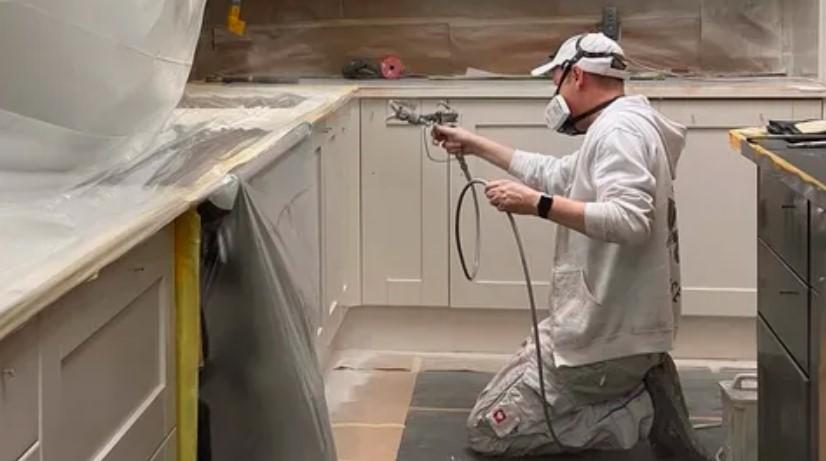
The kitchen is often considered the heart of the home. It's where families gather, meals are prepared, and memories are made. While kitchen renovations can be expensive and time-consuming, one of the most affordable and impactful ways to refresh this essential space is through kitchen painting. A fresh coat of paint can completely transform the appearance of your kitchen, creating a brighter, cleaner, and more inviting environment.
Whether you're updating outdated cabinets, refreshing walls, or giving the entire room a makeover, kitchen painting offers endless possibilities for enhancing both style and functionality.
Why Kitchen Painting Matters
Over time, kitchen surfaces are exposed to heat, moisture, grease, and daily wear and tear. This constant exposure can cause walls and cabinets to look dull, stained, or outdated. Kitchen painting not only improves aesthetics but also helps protect surfaces from damage.
A well-painted kitchen can:
- Increase the visual appeal of your home
- Create a more modern and updated look
- Improve cleanliness and brightness
- Enhance property value
- Extend the life of cabinets and walls
With the right colors and quality paint products, homeowners can achieve a professional-looking transformation without a major renovation.
Choosing the Right Colors for Your Kitchen
Color selection plays a crucial role in the success of any kitchen painting project. Different shades can influence the mood, size perception, and overall atmosphere of the room.
Popular Kitchen Color Choices
White and Off-White
These timeless colors create a clean, spacious, and elegant appearance. They work well in both traditional and modern kitchens.
Gray Tones
Gray remains a popular choice due to its versatility. Light gray adds sophistication, while darker shades create dramatic contrast.
Soft Blues and Greens
These colors bring a calming and refreshing feel to the kitchen, making the space more relaxing and welcoming.
Warm Neutrals
Beige, cream, and taupe create a cozy atmosphere and pair well with various cabinet styles and countertops.
Bold Accent Colors
Deep navy, forest green, or charcoal can be used on kitchen islands or lower cabinets to add personality and visual interest.
Kitchen Cabinet Painting: A Cost-Effective Upgrade
One of the most popular aspects of kitchen painting is cabinet refinishing. Replacing cabinets can be costly, but painting them offers a budget-friendly alternative that delivers impressive results.
Benefits of Painting Kitchen Cabinets
- Saves money compared to replacement
- Allows customization with modern colors
- Enhances the overall appearance of the kitchen
- Extends cabinet lifespan
- Provides a quick renovation solution
Proper preparation is essential for cabinet painting. Cleaning, sanding, priming, and using high-quality paint ensure a durable and attractive finish.
Preparing for a Kitchen Painting Project
Preparation is the foundation of a successful paint job. Skipping important steps can lead to peeling, uneven coverage, and reduced durability.
Essential Preparation Steps
- Remove cabinet doors and hardware.
- Clean surfaces thoroughly to eliminate grease and dirt.
- Repair cracks, dents, or damaged areas.
- Sand surfaces for better paint adhesion.
- Apply a suitable primer.
- Protect countertops, floors, and appliances with drop cloths.
Taking time to prepare correctly ensures a smoother application and longer-lasting results.
Selecting the Best Paint for Kitchens
Not all paints are suitable for kitchen environments. Because kitchens experience high humidity and frequent cleaning, selecting the right paint type is critical.
Recommended Paint Finishes
Semi-Gloss Finish
Semi-gloss paint is highly durable, moisture-resistant, and easy to clean, making it ideal for kitchen walls and cabinets.
Satin Finish
Satin provides a smooth appearance with moderate durability and is commonly used on kitchen walls.
High-Gloss Finish
High-gloss paint delivers maximum durability and a sleek look, especially for cabinets and trim.
When choosing paint, prioritize products specifically designed for kitchens and high-traffic areas.
DIY vs. Professional Kitchen Painting
Many homeowners consider tackling House Painting Services themselves. While DIY projects can save money, professional painters often provide superior results.
DIY Advantages
- Lower upfront costs
- Flexible scheduling
- Personal satisfaction
Professional Advantages
- Expert preparation and application
- High-quality finishes
- Faster project completion
- Reduced risk of mistakes
- Long-lasting durability
For large kitchens or extensive cabinet painting projects, hiring professionals may provide the best value over time.
Common Kitchen Painting Mistakes to Avoid
Even simple painting projects can encounter problems if proper techniques aren't followed.
Avoid These Errors
- Skipping surface cleaning
- Ignoring primer application
- Choosing the wrong paint finish
- Applying thick paint coats
- Rushing drying times
- Neglecting ventilation
By avoiding these mistakes, homeowners can achieve a polished and professional appearance.
How Kitchen Painting Adds Home Value
Kitchen upgrades consistently rank among the most valuable home improvements. Potential buyers often focus heavily on kitchen appearance when evaluating a property.
Fresh kitchen painting can:
- Make the space appear newer
- Increase buyer interest
- Improve online listing photos
- Create a move-in-ready impression
- Offer a strong return on investment
Even a modest painting project can significantly influence a home's perceived value and marketability.
Frequently Asked Questions (FAQs)
1. How long does kitchen painting typically take?
Most kitchen painting projects take between 2 to 5 days, depending on the size of the kitchen, preparation requirements, and drying times.
2. What is the best paint finish for kitchen cabinets?
Semi-gloss and high-gloss finishes are popular choices because they are durable, easy to clean, and resistant to moisture.
3. Can I paint kitchen cabinets without sanding?
While some specialty paints claim sanding isn't necessary, light sanding is generally recommended for better paint adhesion and longer-lasting results.
4. How often should a kitchen be repainted?
Most kitchens benefit from repainting every 5 to 10 years, depending on usage, humidity levels, and paint quality.
5. Is kitchen painting cheaper than replacing cabinets?
Yes. Painting cabinets can cost significantly less than replacing them while still delivering a dramatic visual transformation.
6. What colors make a small kitchen look bigger?
White, light gray, cream, and soft pastel shades help reflect light and create the illusion of a larger, more open space.
Conclusion
Kitchen painting is one of the most effective and affordable ways to refresh your home's most important gathering space. From updating cabinets and walls to selecting modern color palettes, a carefully planned painting project can dramatically enhance appearance, functionality, and value. Whether you choose a DIY approach or hire professionals, investing in quality materials and proper preparation will ensure beautiful, long-lasting results. With the right kitchen painting strategy, you can create a stylish, welcoming space that you'll enjoy for years to come.

 English
 Français
 Español
 Português
 Deutsch
 Türkçe
 Dutch
Dutch
 Italiano
 Russian
 Romaian