


The Best Practices for Using a Bee Smoker During Hive Inspections
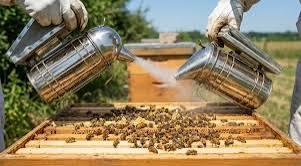
A bee smoker is one of the most useful tools a beekeeper can carry into the apiary. Used properly, it can make hive inspections calmer, safer, and easier to manage. Used the wrong way, it can stress the bees, make the inspection harder, or even create safety risks around the hive.
That is why understanding the best practices for using a bee smoker matters so much. Smoke should never be used to overwhelm the colony. Instead, it should be used gently and with purpose. The goal is to calm the bees, give yourself more control, and complete the inspection with as little disturbance as possible.
Whether you are new to backyard beekeeping or already comfortable around your hives, proper bee smoker use is a skill worth improving.
Why Using a Bee Smoker Matters During Hive Inspections
During hive inspections, bees naturally become more alert when the hive is opened. The lid is removed, frames are moved, light enters the hive, and the colony quickly senses that something has changed. This is when a bee smoker becomes helpful.
Smoke can help reduce the bees’ defensive response by interfering with alarm pheromones. These alarm pheromones are signals bees release when they feel the hive may be under threat. A few gentle puffs of cool smoke can help keep the colony calmer while you inspect brood frames, check honey stores, look for the queen, or perform routine hive management.
Bee Smoker Best Practices Start With Control
One of the most important bee smoker best practices is control. You do not need clouds of smoke pouring into the hive. In most cases, a small amount of smoke at the right time works better than too much smoke used too often.
Think of the smoker as a calming tool, not a forceful one. Good hive inspection smoker tips usually come back to the same idea: use light smoke, wait a moment, then work slowly and calmly.
Choosing the Right Bee Smoker Fuel
The fuel you choose plays a big role in safe bee smoker use. The best bee smoker fuel should burn slowly, stay lit, and produce cool white smoke. Hot smoke, sparks, or strong chemical smells can irritate bees and make the inspection more difficult.
Good bee smoker fuel options often include dry pine needles, wood shavings, untreated burlap, dry leaves, plain cardboard, and natural smoker pellets. The key word here is natural. Anything treated, painted, glued, plastic, or chemical-based should be avoided.
The Goal Is Cool White Smoke
Cool white smoke is exactly what you want during hive inspections. It should feel cool when you test it near your hand, not hot or sharp. If the smoke feels too hot for your hand, it is too hot for your bees.
A good habit is to puff the smoker away from the hive first and check the smoke before using it near the entrance. This small step can prevent unnecessary stress inside the colony.
Lighting a Bee Smoker Before Opening the Hive
Lighting a bee smoker properly before you begin inspection saves you trouble later. A poorly lit smoker may go out halfway through your hive work, which can be frustrating if the bees become defensive.
Start with a small amount of easy-burning material at the bottom of the smoker. Once it catches, gently pump the bellows to build airflow. Then add your main smoker fuel in layers. Keep pumping until the smoker produces steady smoke. Once it is burning well, pack the fuel down enough to create a slow smoulder.
Beginner Beekeeping Smoker Tips
For beginners, one of the simplest beekeeping smoker tips is to light the smoker before putting on your gloves or opening the hive. Give yourself enough time to make sure it is working properly. A smoker that looks fine for the first minute may still go out if the fuel is not packed correctly.
It is also smart to keep extra fuel nearby. During longer inspections, your smoker may need topping up.
Using Smoke at the Hive Entrance
Before opening the hive, apply a few gentle puffs of smoke at the hive entrance. You do not need to blast smoke directly inside. A light puff or two is usually enough to alert the bees and allow the smoke to move through the colony.
After smoking the entrance, wait a short moment before opening the hive. This gives the bees time to respond and settle. Rushing straight in after smoking can defeat the purpose of using the smoker in the first place.
Proper Bee Smoker Use at the Entrance
Proper bee smoker use means staying calm and measured. Hold the smoker at a comfortable distance and let the smoke drift into the entrance naturally. If bees are already calm, there is no need to overdo it.
For routine hive inspections, less smoke is often better. You can always add another small puff later if needed.
Smoking Bees During Inspection
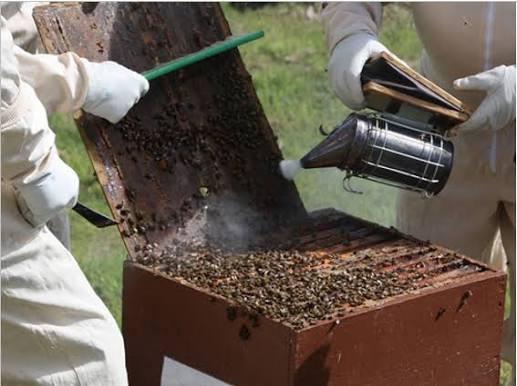
Once the hive is open, smoke should be used carefully. A small puff under the hive cover can help before fully removing it. After that, smoke across the top bars if bees begin coming up in large numbers or acting defensive.
The goal is not to drive bees deep into the hive. The goal is to create a calmer working space so you can lift frames safely and inspect the colony without causing unnecessary panic.
Smoke Under the Hive Cover
When lifting the outer cover or inner cover, you can gently crack it open and add a small puff of smoke underneath. Then wait briefly before removing the cover fully. This gives the bees time to move down and settle before you start working inside the hive.
Smoke Across the Top Bars
If bees gather heavily across the top bars, use a light puff of smoke across the surface. Avoid pointing hot smoke directly down between frames or into the brood nest. A gentle drift across the top is usually enough.
This is one of the most useful hive inspection smoker tips because it helps you work without crushing bees while moving frames.
Avoid Over-Smoking Bees
One of the most common bee smoker mistakes is using too much smoke. New beekeepers often think more smoke means more control, but that is not always true. Over-smoking bees can make the colony more unsettled and may interrupt normal hive behaviour.
If the bees are calm, you do not need to keep smoking them. Keep the smoker nearby and use it only when necessary.
Signs You Are Using Too Much Smoke
You may be over-smoking if bees are rushing around the hive, pouring out of the entrance, or acting more disturbed after each puff. Heavy smoke can also make it harder for you to observe what is really happening inside the colony.
The best practices for using a bee smoker are based on patience. Use a little smoke, watch the bees, then decide whether more is needed.
Protective Clothing and Safe Hive Inspections
Along with proper smoker use, wearing the right protective clothing can make hive inspections safer and more comfortable. A calm approach, cool smoke, and well-fitted gear all work together to help beekeepers inspect their colonies with confidence. Brands like oz armour offer beekeeping suits, jackets, veils, trousers, and kids’ suits designed for different levels of hive work. For anyone spending regular time around bees, choosing the best bee suits can help reduce distractions during inspections and allow better focus on the colony, the frames, and the overall health of the hive.
Safe Bee Smoker Use Around the Apiary
Safe bee smoker use is not only about protecting the bees. It is also about protecting yourself, your equipment, and the area around your hives. A lit smoker can stay hot for a long time, even after the smoke slows down.
Always place the smoker on a safe surface when not in use. Avoid setting it in dry grass, near leaves, or close to anything flammable. During hot, dry weather, be extra careful with sparks and ash.
Bee Smoker Safety Tips
Keep the smoker upright when possible. Do not leave it unattended while it is lit. Make sure the lid is secure, and avoid touching the metal body once it is hot.
If you are working in a dry area, keeping water nearby is a smart safety habit. After your inspection, make sure the smoker is fully out before storing it.
Common Bee Smoker Mistakes During Hive Inspections
Even experienced beekeepers can make smoker mistakes from time to time. The important thing is to notice what works and keep improving your technique.
One common mistake is using damp fuel. Wet fuel can create poor smoke, strong smells, or cause the smoker to go out quickly. Another mistake is using unsafe fuel, such as treated wood, plastic, glossy paper, or anything that could release harmful fumes.
Hot Smoke and Sparks
Hot smoke and sparks are a sign that the smoker is not burning correctly. This can happen when the fuel is too loose, too dry, or burning too aggressively. If sparks come out of the nozzle, pause before using it on the hive. Add more fuel, pack it down slightly, and allow the smoker to produce cooler smoke.
Blowing Smoke Directly Into the Brood Nest
Another mistake is pushing smoke directly into the brood nest. The brood area is one of the most important parts of the hive, and it should be handled gently. When smoking bees during inspection, use smoke around the working area instead of forcing it deep into the frames.
Bee Smoker Maintenance After Hive Inspections
Bee smoker maintenance is a small job, but it helps your equipment last longer and work better. Once your inspection is finished, put the smoker out completely and let it cool before storing it.
Empty old ash safely and check the inside for buildup. Over time, tar and debris can collect inside the smoker and affect airflow. A clean smoker lights easier, burns better, and produces steadier smoke.
Putting Out a Bee Smoker Properly
Never store a hot smoker straight away. Close off the airflow if your smoker allows it, or empty the remaining fuel safely into a fire-safe container. Make sure there are no glowing embers left before putting the smoker back with your beekeeping equipment.
Final Thoughts on the Best Practices for Using a Bee Smoker
The best practices for using a bee smoker during hive inspections are simple but important: choose safe fuel, create cool white smoke, use gentle puffs, avoid over-smoking bees, and always handle the smoker safely.
A bee smoker should help you work with the colony, not against it. When used with care, it can make hive inspections calmer for the bees and more comfortable for the beekeeper.
With proper bee smoker use, good fuel, protective clothing, and a calm approach, every inspection becomes easier to manage. Over time, you will learn to read your bees better and use smoke only when it is truly needed.

 Arabic
 Français
 Español
 Português
 Deutsch
 Türkçe
 Dutch
Dutch
 Italiano
 Russian
 Romaian