


Digital Twin technology
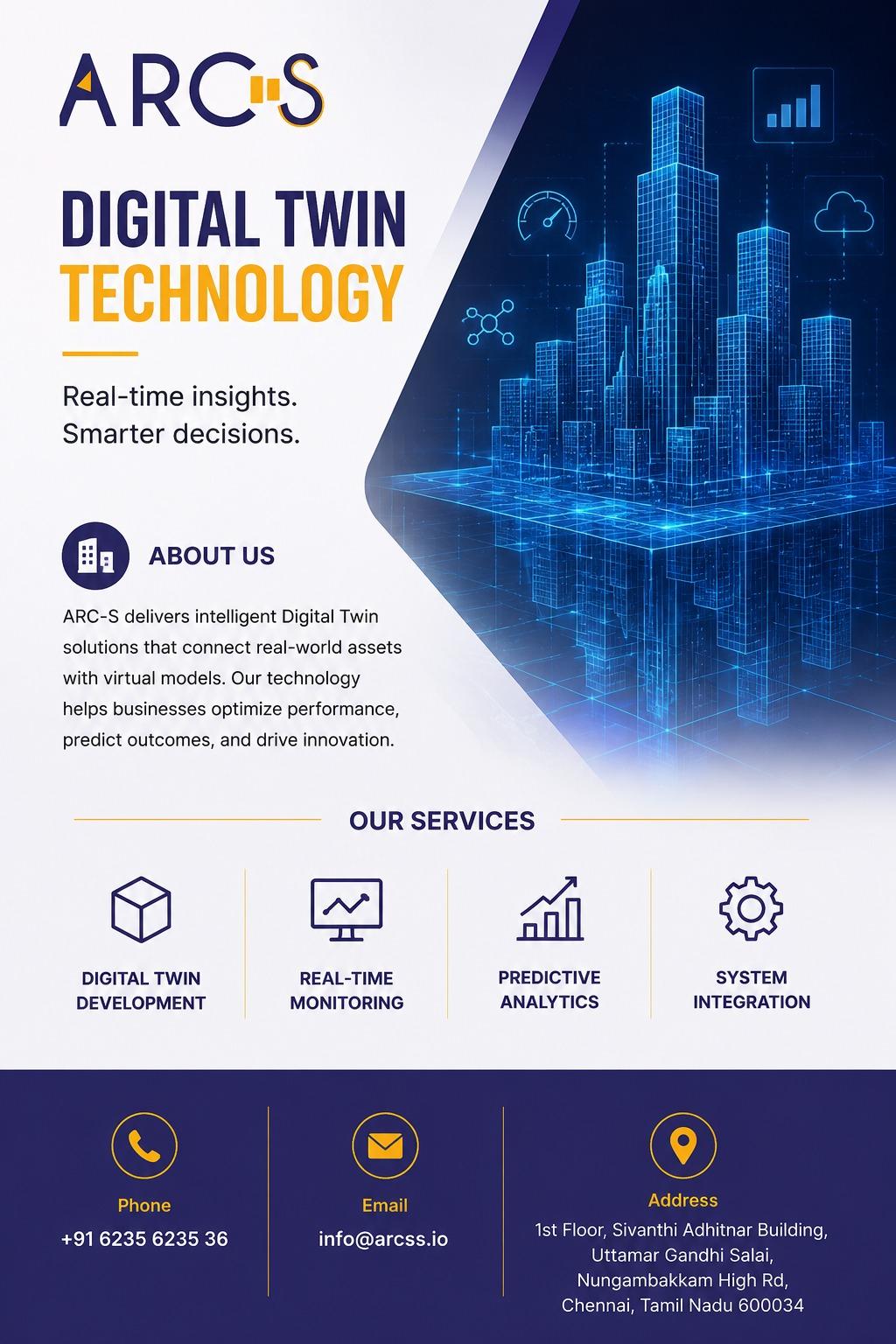
In the rapidly evolving landscape of Industry 4.0, one innovation stands out as a true game-changer: Digital Twin technology. This groundbreaking concept bridges the gap between the physical and digital worlds, enabling organizations to simulate, predict, and optimize real-world systems with unprecedented accuracy. From manufacturing floors to smart cities, Digital Twin technology is reshaping how industries operate, innovate, and deliver value.
What is Digital Twin Technology?
At its core, Digital Twin technology creates a virtual replica of a physical object, process, or system. This digital counterpart mirrors its real-world twin in real-time, continuously updated with data from sensors, IoT devices, and other sources. The result is a dynamic, living model that reflects the current state, behavior, and performance of the physical entity it represents.
The concept originated in aerospace engineering, where NASA used early digital twin principles during the Apollo missions. Today, advances in cloud computing, artificial intelligence, and IoT have propelled Digital Twin technology into mainstream adoption across virtually every sector.
How Digital Twin Technology Works
The implementation of Digital Twin technology involves three fundamental components:
Physical Entity: The real-world object, machine, or system being replicated—whether it's a jet engine, a production line, or an entire supply chain.
Virtual Model: The digital representation built using CAD models, simulation software, and data analytics platforms. This model captures geometry, physics, and operational logic.
Data Connection: Continuous bidirectional data flow between the physical and virtual worlds. Sensors collect real-time data from the physical entity, while the digital twin sends back insights, predictions, and optimization recommendations.
This seamless integration allows organizations to monitor performance, detect anomalies, predict failures, and test scenarios without disrupting actual operations.
Applications Across Industries
Manufacturing: Digital Twin technology enables predictive maintenance, reducing unplanned downtime by up to 50%. Manufacturers can simulate production changes, optimize workflows, and train employees in virtual environments before implementing changes on the factory floor.
Healthcare: Patient-specific digital twins help doctors simulate surgical procedures, predict treatment outcomes, and personalize care plans. Medical device companies use virtual models to test implants and prosthetics before physical production.
Smart Cities: Urban planners leverage Digital Twin technology to model traffic patterns, energy consumption, and infrastructure resilience. These insights drive data-informed decisions for sustainable urban development.
Energy and Utilities: Power plants and grid operators use digital twins to optimize energy distribution, integrate renewable sources, and prevent equipment failures before they occur.
Automotive: Vehicle manufacturers create digital twins of entire cars to test performance, safety, and autonomous driving algorithms in millions of virtual scenarios before a single physical prototype is built.
Benefits of Adopting Digital Twin Technology
Organizations implementing Digital Twin technology report transformative benefits:
-
Reduced Costs: Virtual testing eliminates expensive physical prototypes and minimizes operational disruptions.
-
Enhanced Efficiency: Real-time optimization improves resource utilization and process performance.
-
Faster Innovation: Rapid iteration in virtual environments accelerates product development cycles.
-
Improved Decision-Making: Data-driven insights replace guesswork with evidence-based strategies.
-
Sustainability: Optimized operations reduce waste, energy consumption, and environmental impact.
The Future of Digital Twin Technology
As AI and machine learning capabilities advance, Digital Twin technology is evolving from descriptive and diagnostic models to predictive and prescriptive systems. Autonomous digital twins will soon make decisions and take actions independently, further revolutionizing industrial operations.
The convergence of digital twins with the metaverse, 5G connectivity, and edge computing promises even more immersive and responsive virtual environments. Organizations that embrace Digital Twin technology today position themselves at the forefront of this transformative wave.
Conclusion
Digital Twin technology represents more than a technological trend—it is a fundamental shift in how we understand, manage, and optimize the physical world. By creating intelligent bridges between reality and virtuality, businesses can unlock efficiencies, drive innovation, and deliver superior outcomes that were previously unimaginable.
To explore how Digital Twin technology can transform your organization, visit ARCSS. Their team of experts specializes in designing and implementing cutting-edge digital twin solutions tailored to your unique challenges.

 English
 Arabic
 Français
 Español
 Português
 Deutsch
 Türkçe
 Dutch
Dutch
 Italiano
 Romaian