


Common Turf Problems and Practical Solutions to Restore a Lush, Green, and Resilient Lawn
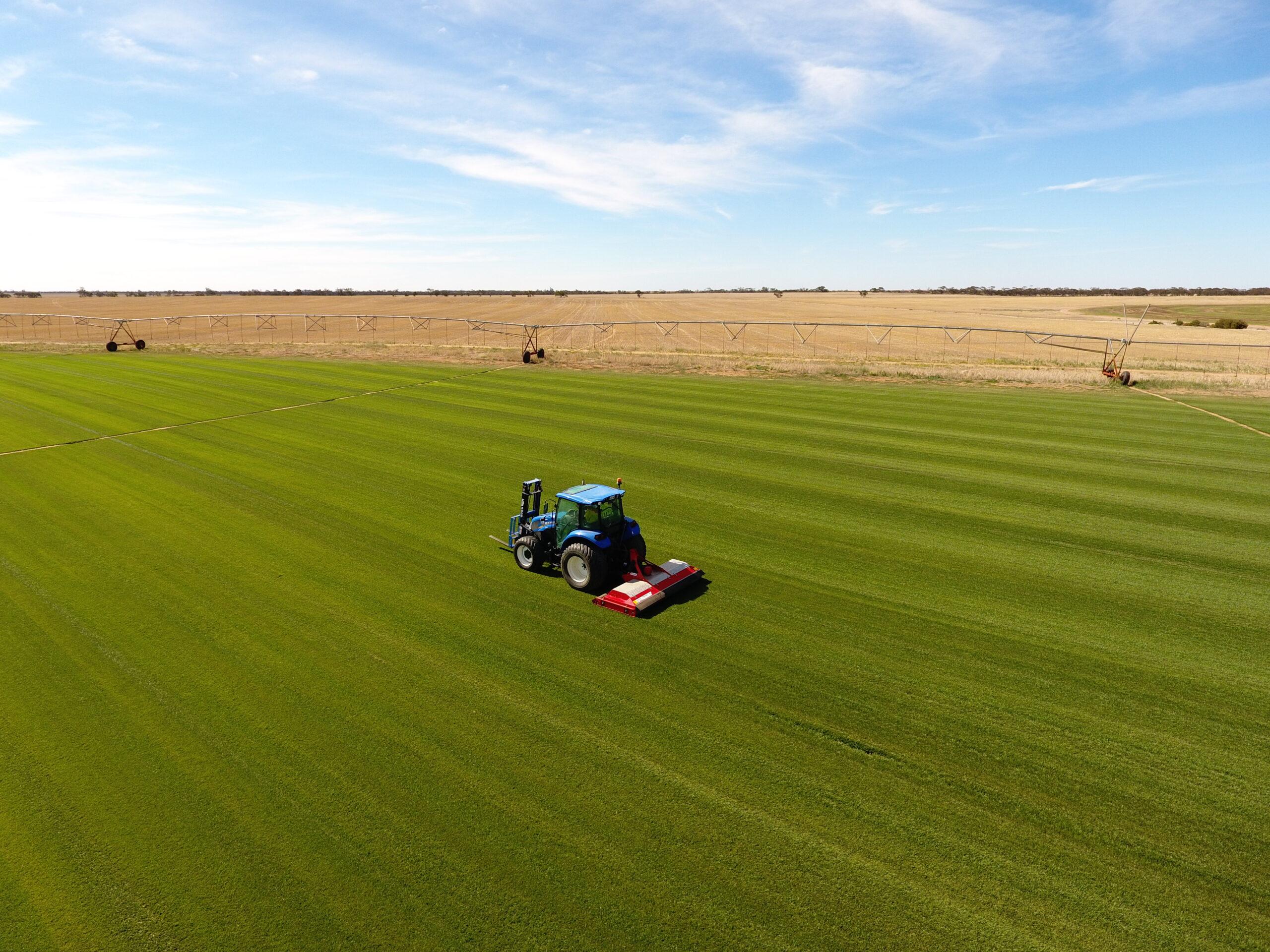
A healthy, vibrant lawn does far more than improve the appearance of your property. It creates a welcoming outdoor space for family gatherings, children's play, pets, and relaxation while adding value to your home. However, maintaining a lush lawn isn't always easy. Changes in weather, poor maintenance practices, pests, diseases, and heavy foot traffic can quickly turn a beautiful green lawn into a patchy, unhealthy landscape.
Understanding the most common turf problems and learning how to solve them can help homeowners restore their lawns efficiently and prevent recurring issues. With the right care, proper maintenance, and quality turf selection, it is possible to enjoy a lawn that stays healthy throughout the seasons.
Why Healthy Turf Matters
A thriving lawn offers much more than visual appeal. Healthy turf helps reduce soil erosion, absorbs rainfall, minimizes dust, cools surrounding areas, and provides a comfortable outdoor environment. Strong turf also suppresses weed growth naturally, making lawn maintenance less demanding over time.
Many lawn issues develop gradually. Identifying early warning signs allows homeowners to take corrective action before the damage becomes widespread and expensive to repair.
Problem 1: Brown or Dead Patches
Brown patches are one of the most common lawn concerns. They can appear suddenly or develop slowly over several weeks.
Common Causes
- Underwatering
- Overwatering
- Pet urine
- Lawn diseases
- Heat stress
- Soil compaction
Practical Solutions
Start by identifying the exact cause before applying any treatment. If watering is inconsistent, establish a regular irrigation schedule that allows water to penetrate deeply into the soil. Deep watering encourages stronger root development compared to frequent shallow watering.
If pet urine is responsible, rinse affected areas with water immediately after exposure to dilute excess nitrogen. For severe damage, replacing the affected turf section may be the most effective solution.
Aerating compacted soil and applying quality fertilizers can also help damaged grass recover more quickly.
Problem 2: Weed Invasion
Weeds compete directly with grass for nutrients, sunlight, and moisture. Once established, they spread rapidly across weakened lawns.
Common Types of Lawn Weeds
- Clover
- Bindii
- Dandelions
- Nutgrass
- Winter grass
Practical Solutions
The healthiest defense against weeds is a thick, dense lawn. Proper mowing height, regular fertilizing, and consistent watering help turf outcompete unwanted plants naturally.
Remove isolated weeds manually before they spread. When necessary, selective herbicides can eliminate weeds without harming healthy grass when applied according to product instructions.
Preventing bare patches is equally important because exposed soil provides the perfect environment for weed seeds to germinate.
Problem 3: Poor Drainage
Waterlogged lawns often struggle because excess moisture limits oxygen available to grass roots.
Signs of Poor Drainage
- Standing water after rain
- Muddy lawn surfaces
- Yellowing grass
- Moss growth
- Soft, soggy ground
Practical Solutions
Improving soil drainage begins with aeration. Creating small holes throughout the lawn allows water and oxygen to move more freely through the soil.
In severe cases, adding organic matter, improving grading, or installing drainage systems may be necessary. Choosing turf varieties suited to local conditions also helps improve long-term performance in moisture-prone areas.
Problem 4: Lawn Pests
Several insects feed on turf roots or grass blades, causing widespread damage if left untreated.
Common Lawn Pests
- Armyworms
- Lawn grubs
- Beetle larvae
- Aphids
- Mites
Practical Solutions
Inspect your lawn regularly, especially during warmer months when insect activity increases. Look for thinning grass, irregular brown patches, or birds feeding heavily on your lawn, which may indicate hidden pests.
Natural predators, biological treatments, and targeted pest control products can help manage infestations while minimizing environmental impact. Healthy lawns are generally more resistant to pest damage than stressed or neglected turf.
Problem 5: Lawn Diseases
Fungal diseases often develop when excess moisture combines with poor air circulation.
Common Lawn Diseases
- Dollar spot
- Brown patch
- Leaf spot
- Rust
- Fairy ring
Practical Solutions
Water your lawn early in the morning rather than during the evening. This gives grass blades sufficient time to dry before nightfall, reducing fungal growth.
Avoid excessive nitrogen fertilizer during humid conditions, and mow with sharp blades to minimize stress on the grass. If disease persists, appropriate fungicide treatments may be recommended.
Maintaining proper mowing heights also improves airflow throughout the lawn canopy.
Problem 6: Soil Compaction
Heavy foot traffic, vehicles, children's play equipment, and construction activities can compress soil over time.
Effects of Compacted Soil
- Poor root growth
- Reduced oxygen availability
- Limited water penetration
- Weak grass development
- Increased weed invasion
Practical Solutions
Core aeration remains one of the most effective ways to relieve soil compaction. This process removes small plugs of soil, allowing roots greater access to oxygen, nutrients, and moisture.
Limiting unnecessary traffic on wet lawns also prevents further compaction.
Applying quality topdressing after aeration can further improve soil structure and encourage healthier growth.
Problem 7: Incorrect Mowing Practices
Many homeowners unintentionally damage their lawns by mowing too short.
Removing too much grass at once weakens the plant and exposes soil to direct sunlight, encouraging weeds while reducing drought resistance.
Best Mowing Practices
- Never remove more than one-third of the grass height.
- Keep mower blades sharp.
- Adjust mowing height according to seasonal growth.
- Leave fine grass clippings on the lawn where appropriate to recycle nutrients.
Proper mowing encourages thicker growth and stronger root systems.
Fertilisation Makes a Difference
Grass requires balanced nutrition throughout the year to maintain colour, density, and resilience.
Essential nutrients include:
- Nitrogen for leafy growth
- Phosphorus for root development
- Potassium for overall strength and stress resistance
Using slow-release fertilizers helps provide consistent nourishment while reducing nutrient loss through runoff.
Always follow recommended application rates, as excessive fertilization can create more problems than it solves.
Seasonal Lawn Care Tips
Every season presents different challenges for turf management.
Spring
- Apply fertilizer
- Control emerging weeds
- Repair winter damage
- Increase mowing frequency
Summer
- Water deeply
- Monitor pests
- Avoid mowing during extreme heat
- Watch for drought stress
Autumn
- Aerate compacted soil
- Overseed thin areas
- Remove fallen leaves
- Apply balanced fertilizer
Winter
- Reduce lawn traffic
- Limit watering
- Monitor drainage
- Prepare for spring recovery
Following a seasonal maintenance schedule keeps lawns healthier throughout the year.
Choosing Quality Turf from the Start
Many lawn problems begin with selecting unsuitable turf varieties for local conditions. Climate, soil type, sunlight exposure, drainage, and intended lawn use should all influence your decision.
Purchasing premium-quality turf from experienced suppliers provides stronger establishment, improved disease resistance, and better long-term performance. Professional guidance can help homeowners choose the right variety for their property's unique environment.
Working with knowledgeable providers such as The Turf Farm ensures access to quality turf products along with expert advice on installation, watering, and ongoing maintenance. Investing in the right turf from the beginning often prevents many common lawn issues before they develop.
Conclusion
A beautiful lawn doesn't happen by chance—it requires consistent care, early problem detection, and the right maintenance practices throughout the year. Addressing issues such as weeds, pests, diseases, drainage problems, soil compaction, and improper mowing before they become severe helps restore lawn health while preventing future damage. With quality turf, routine maintenance, and expert support when needed, homeowners can enjoy a greener, stronger outdoor space for years to come. Whether you're establishing a new lawn or revitalizing an existing one, choosing premium Turf Adelaide solutions from The Turf Farm provides a reliable foundation for creating a lush, resilient landscape that enhances both the beauty and value of your property.

 Arabic
 Français
 Español
 Português
 Deutsch
 Türkçe
 Dutch
Dutch
 Italiano
 Russian
 Romaian