


Roller Ball Bearing Problems: 7 Mistakes That Cause Failure Fast
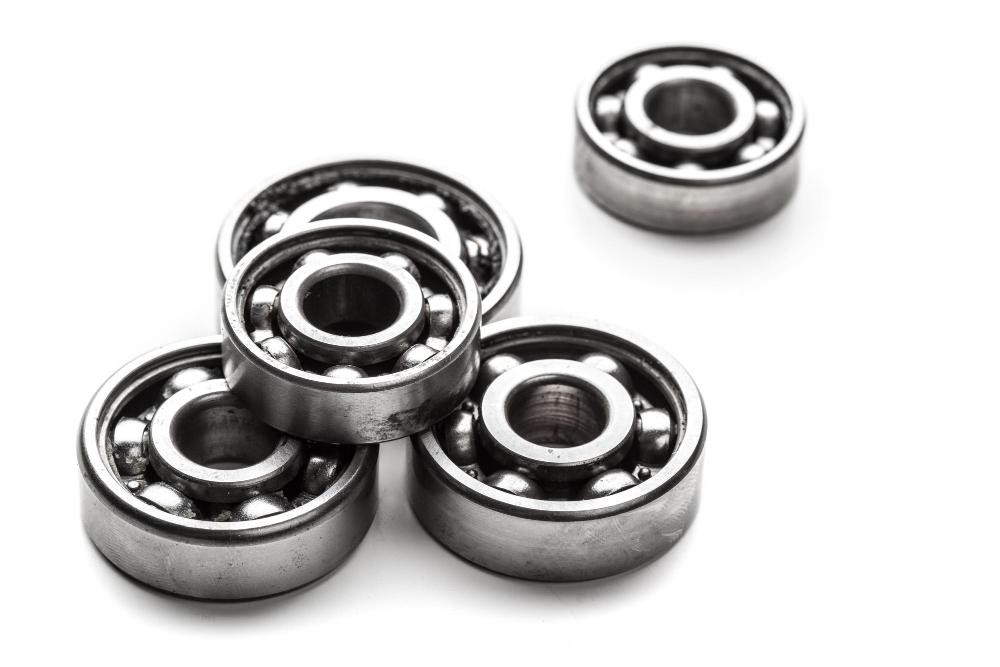
Bearings rarely complain before they fail.
One day, your machine runs quietly. The next, it sounds like someone dropped a toolbox inside the housing. That is the frustrating reality of bearing failures. Most don't happen without warning—they happen because small problems go unnoticed.
Whether used in industrial machinery, electric motors, conveyors, automotive systems, or agricultural equipment, a roller ball bearing plays a critical role in reducing friction and supporting rotating loads. When it fails, the result is often unexpected downtime, expensive repairs, and reduced productivity.
The good news? Most premature bearing failures are preventable.
According to SKF, NSK, and Schaeffler, incorrect lubrication, contamination, poor installation, and improper handling remain among the leading causes of bearing damage. Understanding these issues can help extend bearing life and improve equipment reliability.
Let's explore the most common mistakes that shorten the lifespan of a roller ball bearing.
1. Using the Wrong Lubricant
Lubrication keeps a bearing running smoothly.
Using the wrong grease or oil does exactly the opposite.
Different bearings operate under different conditions. Speed, load, operating temperature, and environment all affect lubricant selection. A grease that performs well in an electric motor may not suit heavy industrial equipment.
Too much lubricant creates heat and churning.
Too little lubricant increases metal-to-metal contact.
Neither situation ends well.
Always follow the equipment manufacturer's lubrication recommendations instead of assuming one grease fits every application.
2. Allowing Dirt and Moisture Inside
A roller ball bearing works with extremely tight internal tolerances.
Tiny particles can create surprisingly large problems.
Dust, water, metal shavings, and other contaminants damage rolling elements and raceways over time. Even particles that are invisible to the eye can reduce bearing life.
Imagine pouring sand into a brand-new bicycle chain.
It still turns—but not for long.
Keeping work areas clean and using properly sealed bearings in harsh environments helps reduce contamination-related failures.
3. Incorrect Installation
A quality bearing cannot overcome poor installation.
Many premature failures begin before the machine even starts operating.
Common installation mistakes include:
- Hammering directly on the bearing
- Applying force through the rolling elements
- Installing the bearing at an angle
- Using damaged installation tools
- Ignoring shaft and housing tolerances
Bearing manufacturers recommend using proper mounting tools or induction heaters when required.
Correct installation protects the bearing from internal damage that may not appear immediately.
4. Ignoring Misalignment
Perfect alignment isn't just a nice idea.
It directly affects bearing performance.
Misaligned shafts increase stress on rolling elements, create uneven load distribution, and accelerate wear.
Common signs include:
- Increased vibration
- Higher operating temperatures
- Unusual noise
- Reduced bearing life
Routine alignment checks help prevent unnecessary stress throughout the rotating assembly.
Modern laser alignment tools also improve accuracy compared with traditional methods.
5. Overloading the Bearing
Every bearing has load limits.
Ignoring those limits is like asking a family sedan to tow a freight train.
Eventually, something gives.
Overloading creates excessive contact stress between rolling elements and raceways. Over time, this may lead to surface fatigue, spalling, and cracking.
Selecting the correct roller ball bearing for the application remains one of the most effective ways to improve equipment reliability.
Proper engineering calculations matter more than guesswork.
6. Skipping Regular Condition Monitoring
Many maintenance teams still rely on reactive repairs.
Unfortunately, bearings prefer proactive maintenance.
Routine monitoring helps identify problems before failure occurs.
Effective inspection methods include:
- Vibration analysis
- Temperature monitoring
- Lubricant inspection
- Noise evaluation
- Visual inspections during scheduled maintenance
According to ISO condition monitoring practices and guidance from leading bearing manufacturers, early detection significantly reduces unplanned downtime.
Waiting until the bearing becomes noisy usually means damage has already occurred.
7. Buying Bearings Based Only on Price
Everyone appreciates a good deal.
Machines usually don't.
Low-quality bearings may have inconsistent heat treatment, lower-grade steel, or poor manufacturing tolerances.
That often results in:
- Shorter service life
- Increased vibration
- Higher maintenance costs
- Unexpected equipment downtime
Reliable manufacturers invest heavily in material quality, precision machining, and quality control.
Paying slightly more for a quality bearing often reduces the total cost of ownership over time.
As maintenance engineers often joke, "The cheapest bearing usually becomes the most expensive one."
Why Preventive Maintenance Matters
Replacing a failed roller ball bearing rarely involves only the bearing itself.
Unexpected failures often stop production, damage nearby components, and increase labor costs.
Preventive maintenance helps organizations:
- Reduce downtime
- Improve equipment reliability
- Lower repair costs
- Extend bearing service life
- Improve workplace safety
A simple inspection schedule often delivers significant long-term savings.
Best Practices for Longer Bearing Life
Extending bearing life doesn't require complicated procedures.
Consistency matters more than complexity.
Follow these proven practices:
- Use the correct lubricant.
- Maintain clean working conditions.
- Install bearings with approved tools.
- Verify shaft and housing alignment.
- Avoid exceeding design loads.
- Monitor vibration and temperature regularly.
- Purchase bearings from reputable manufacturers.
These habits help reduce avoidable failures and improve machine performance.
Final Thoughts
A roller ball bearing may seem like a small component, but it carries enormous responsibility in rotating machinery.
Most failures don't happen because the bearing was poorly designed. They happen because lubrication was neglected, contamination entered the system, installation went wrong, or maintenance happened too late.
By following manufacturer recommendations, using quality components, and performing regular inspections, businesses can improve equipment reliability while reducing downtime and maintenance costs.
After all, bearings don't expect applause for doing their job. They simply ask for clean lubrication, proper installation, and a little attention before things start making expensive noises.

 English
 Arabic
 Français
 Português
 Deutsch
 Türkçe
 Dutch
Dutch
 Italiano
 Russian
 Romaian